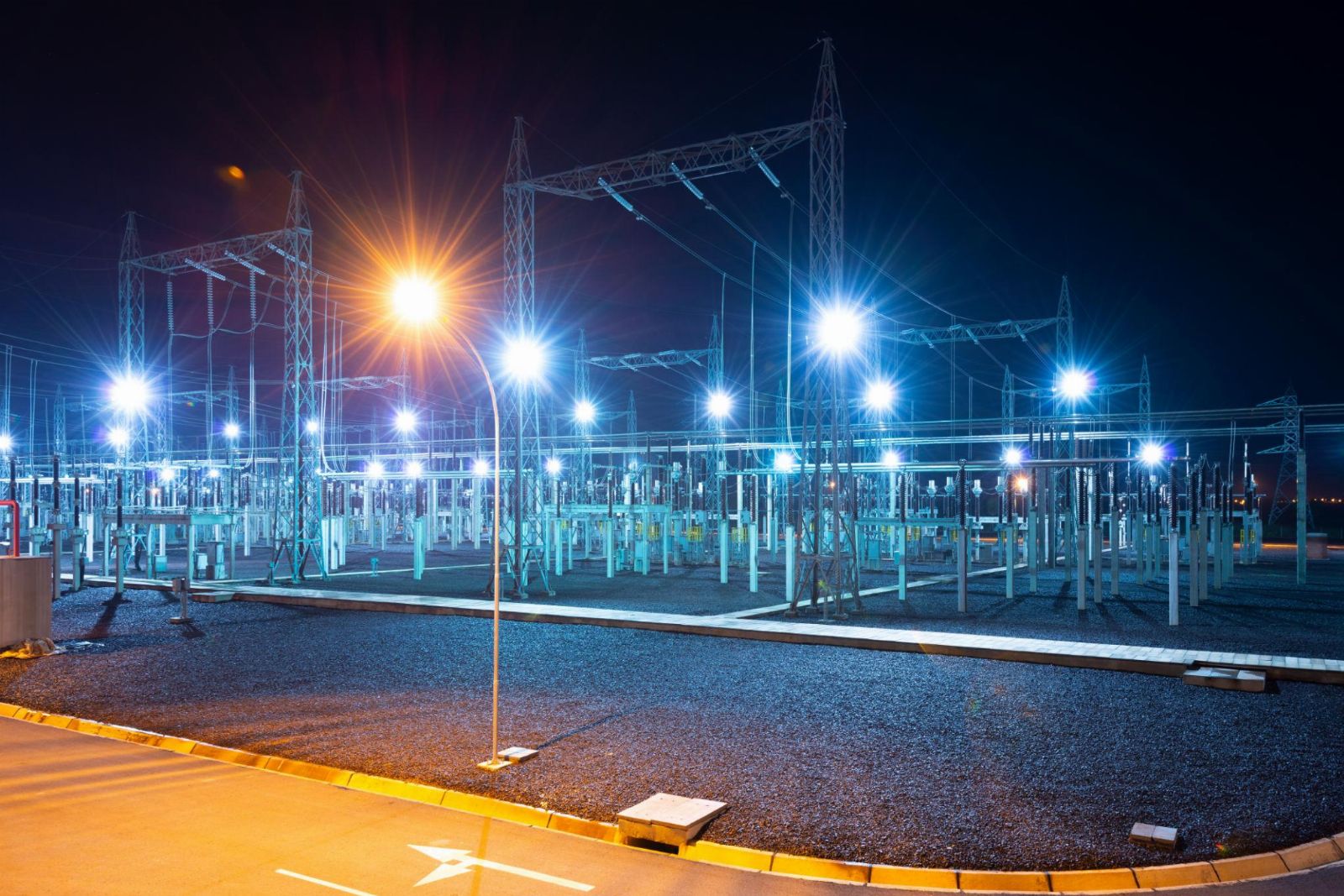
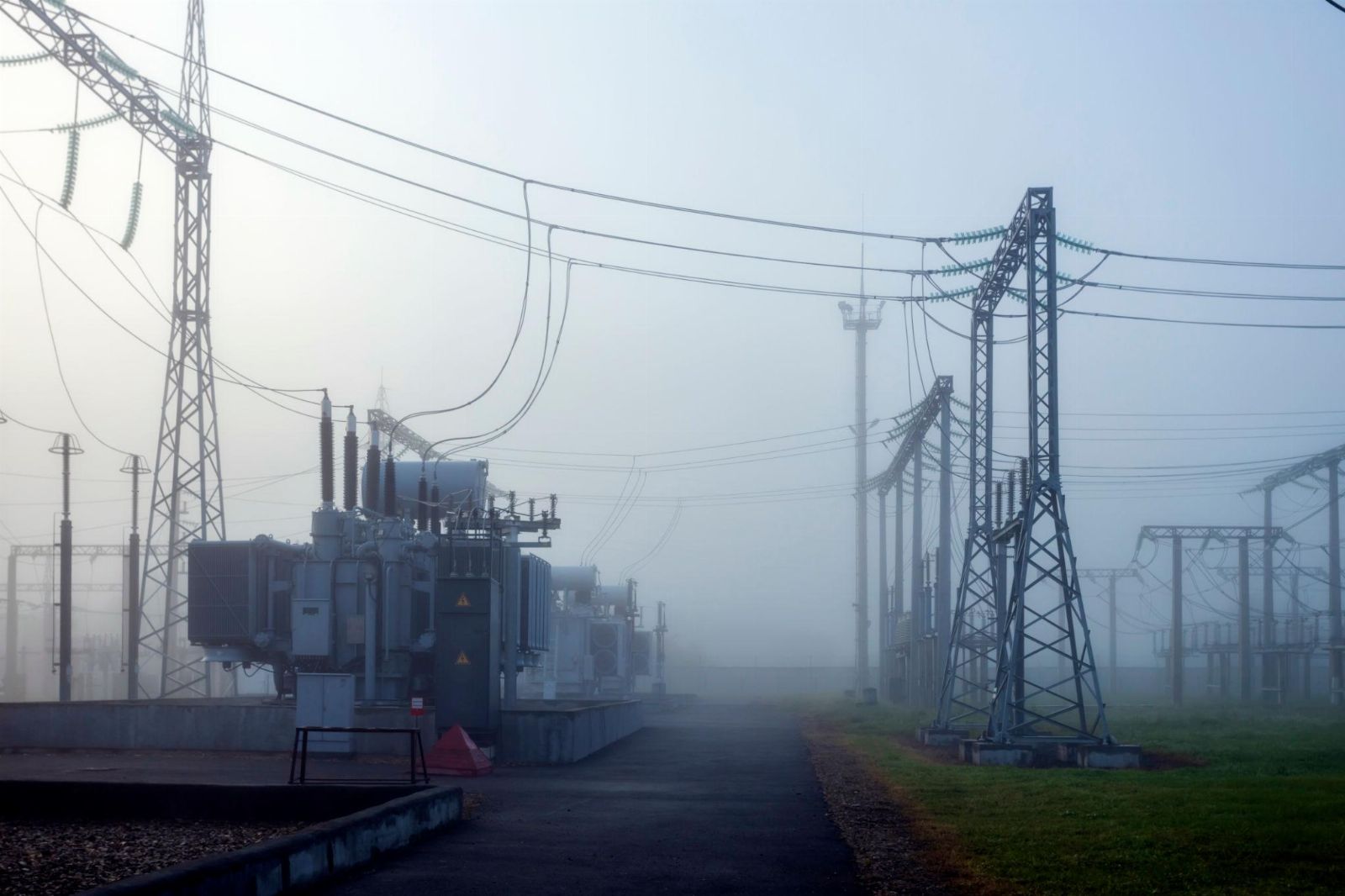
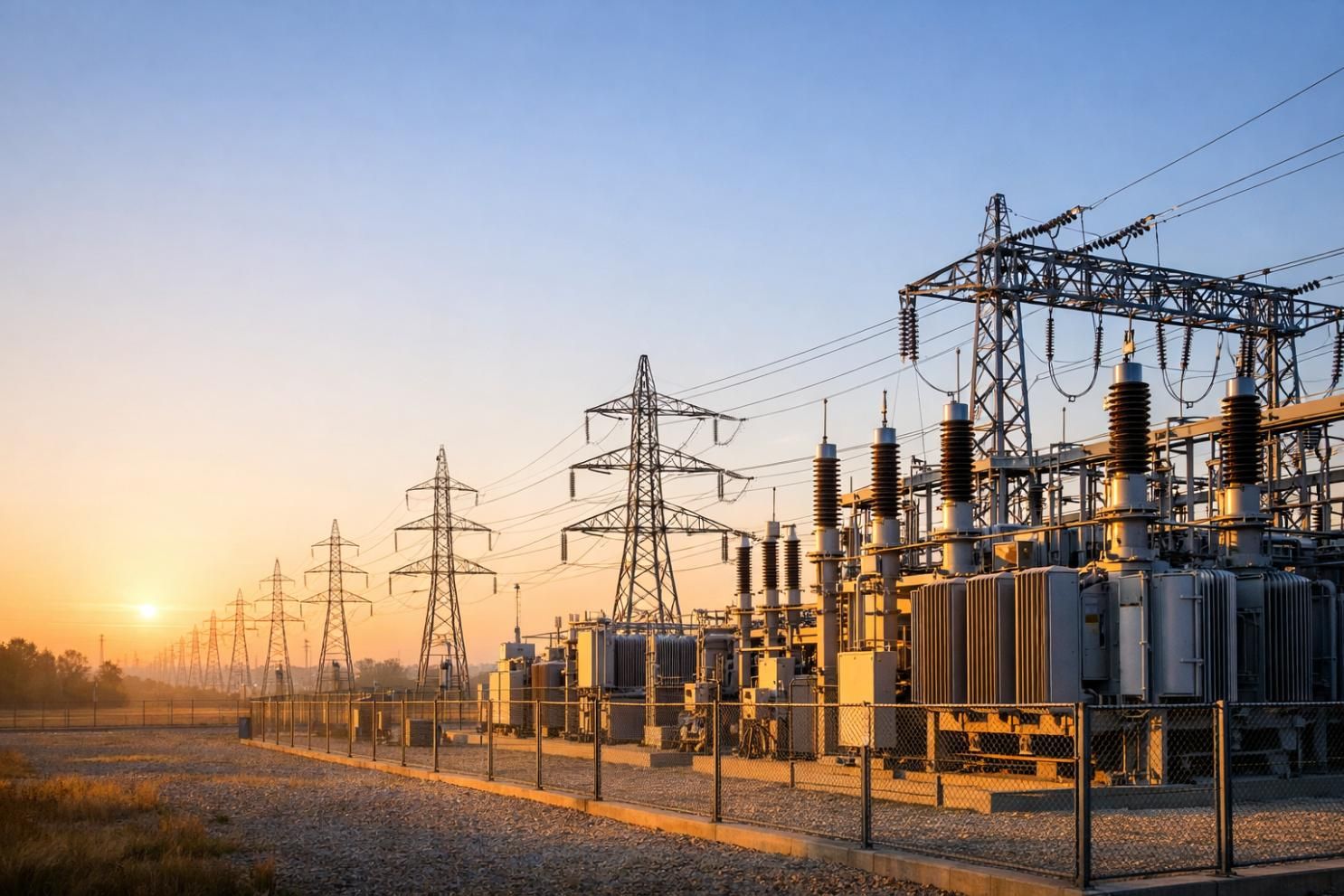
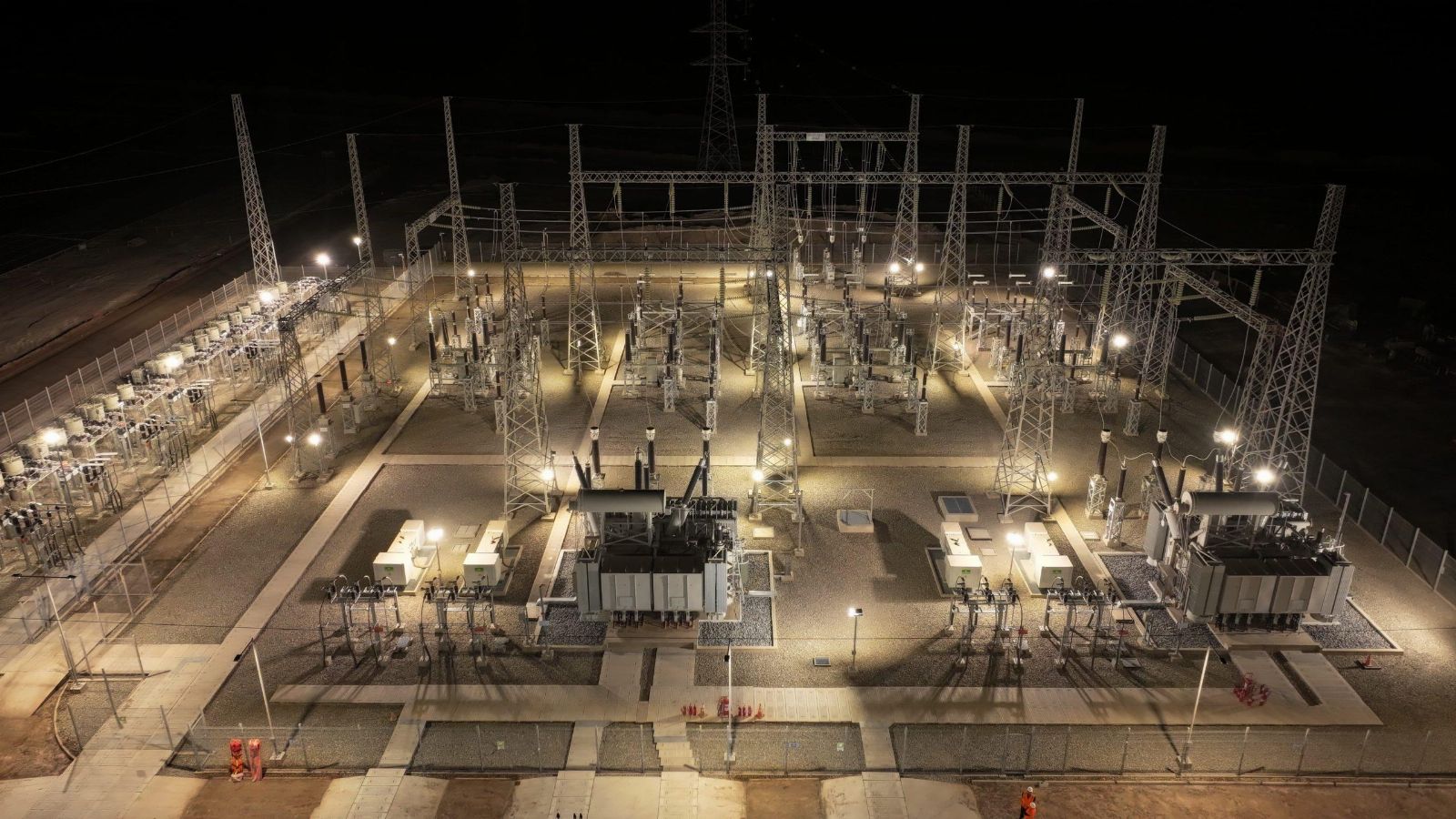
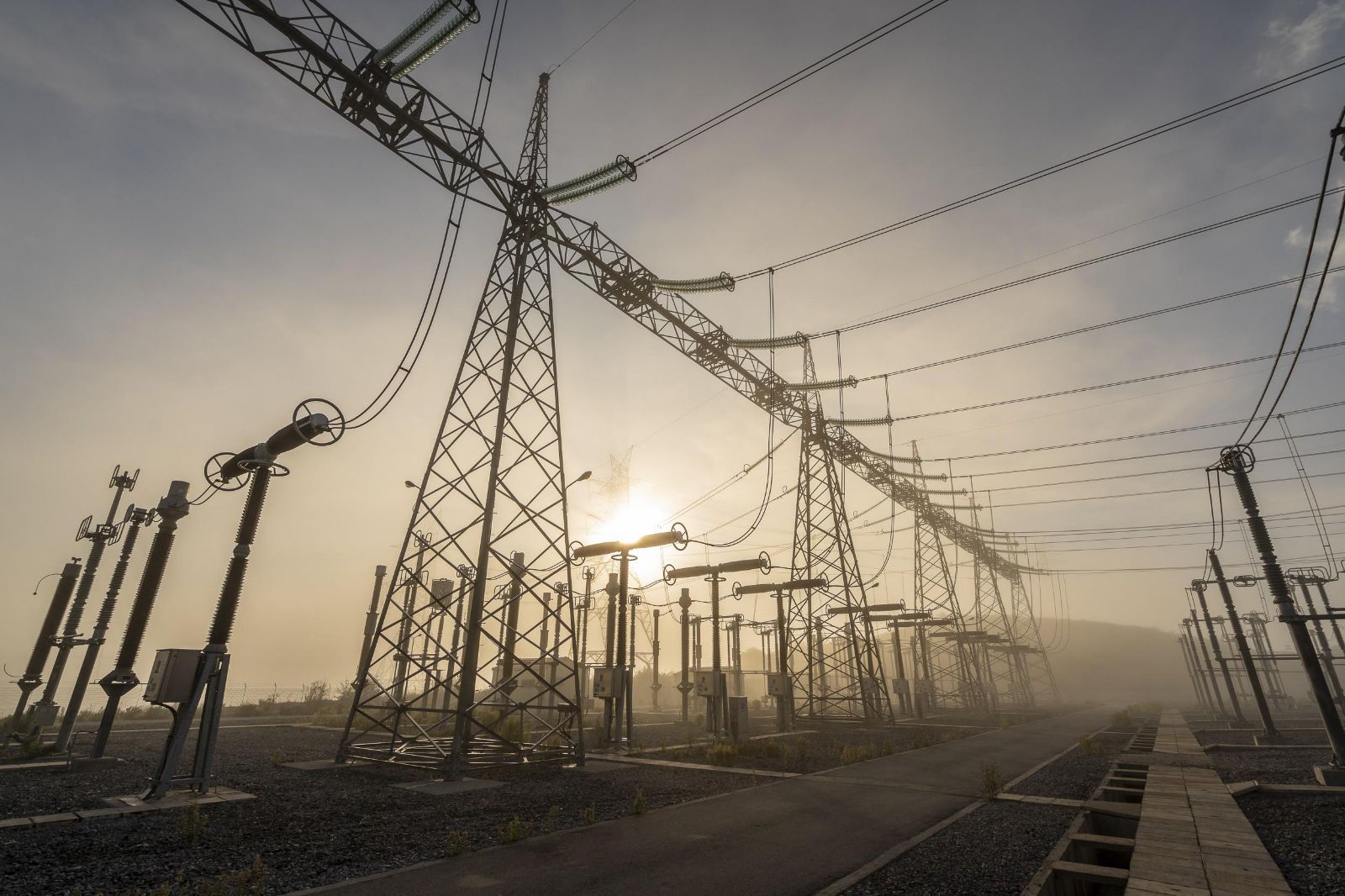
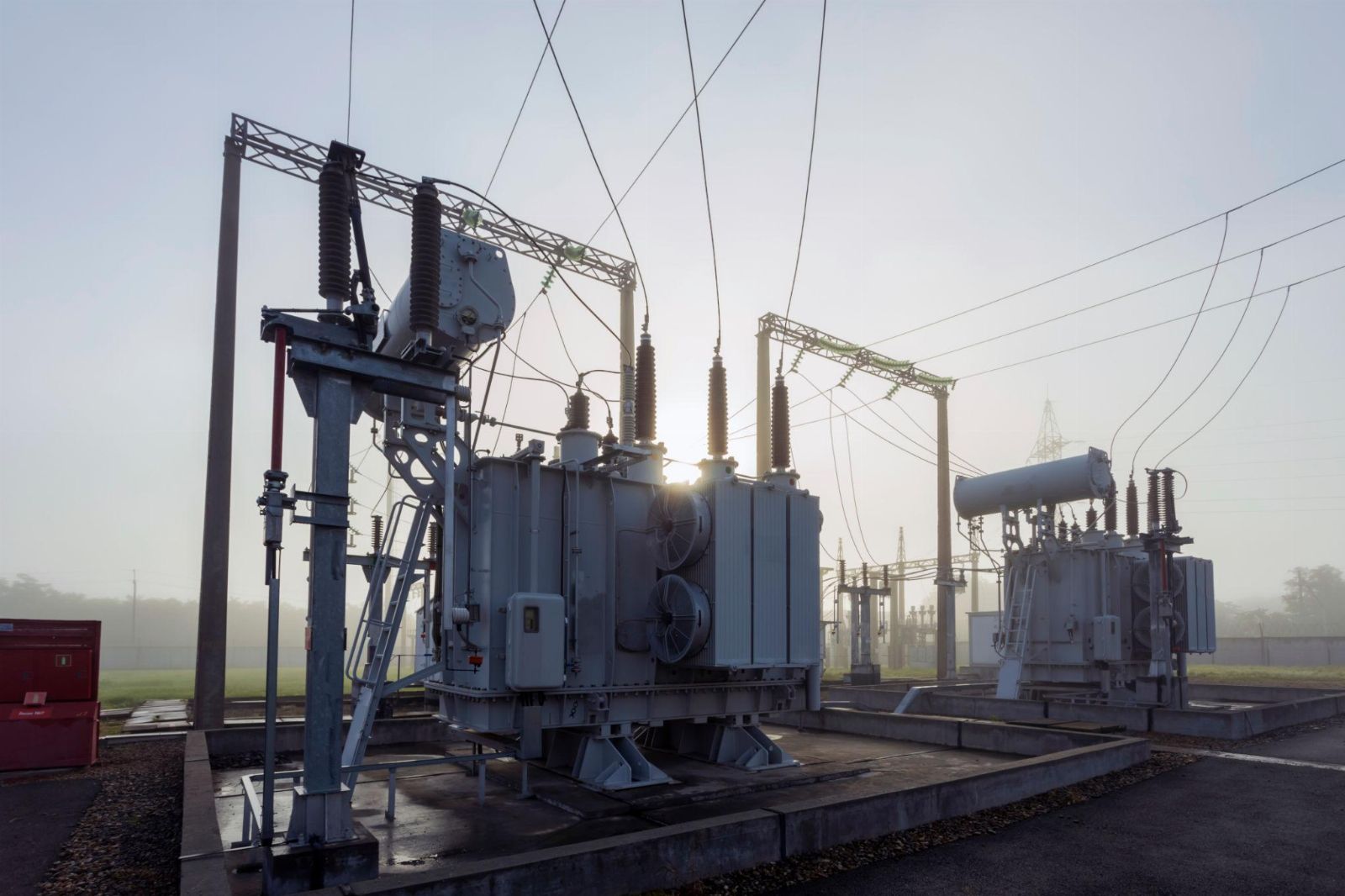
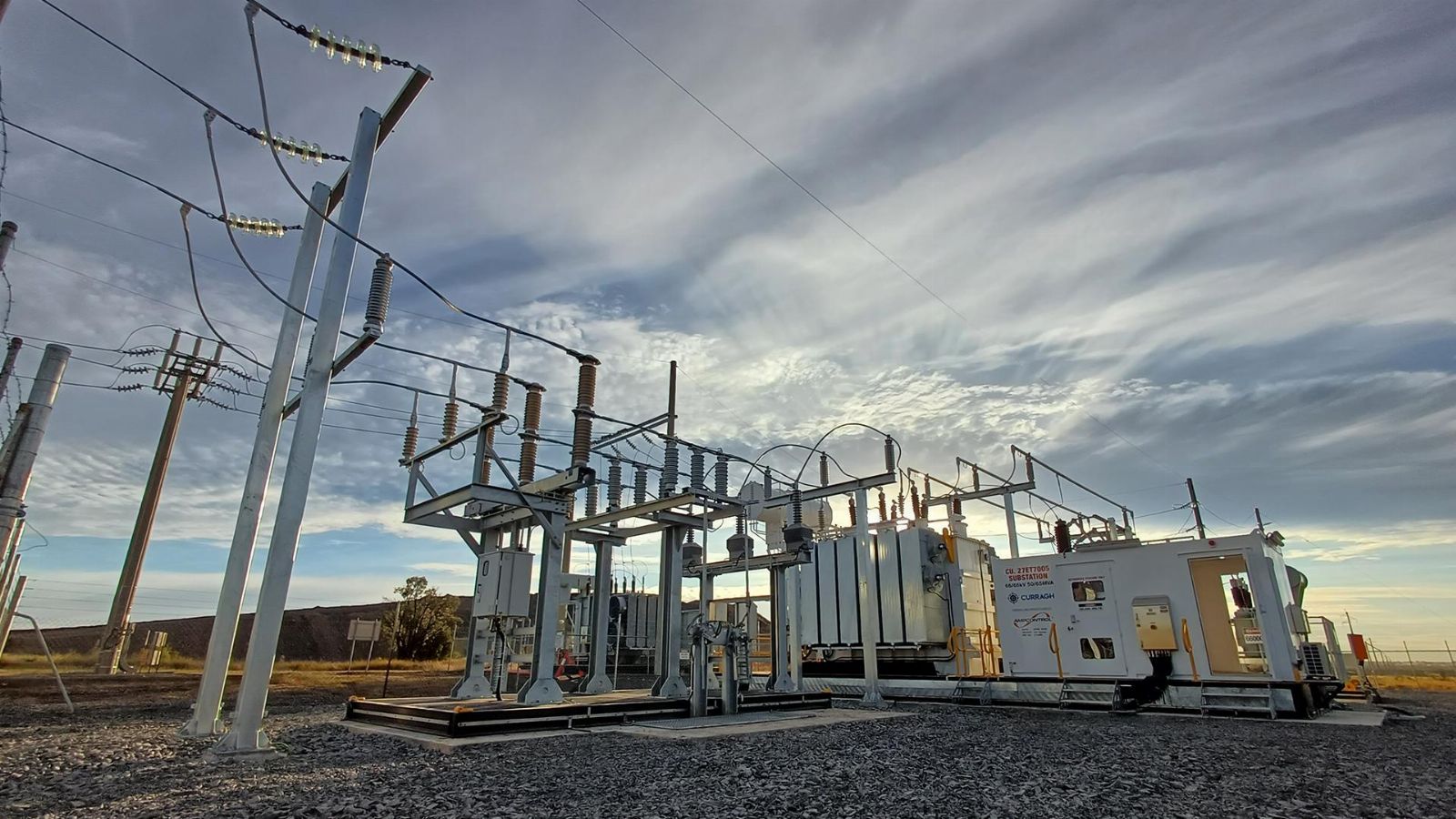
- We offer co-operation on replacement of old installed equipment on equipment at substations with new equipment produced at your factory. We have a large database of documentation for old, end-of-life equipment, and we will adapt your products to replace the old.

- Design of substation equipment in accordance with the technical specifications.

- Design documentation for the manufacture of electrical equipment.

- 3-D models, product drawings, BOM.

- Preparation of technical documentation for participation in tenders.

- Preparation of preliminary standards for material consumption for cost calculation..

- Consulting on projects.

..since August 1998

Proekt-Energo

Area of activity:

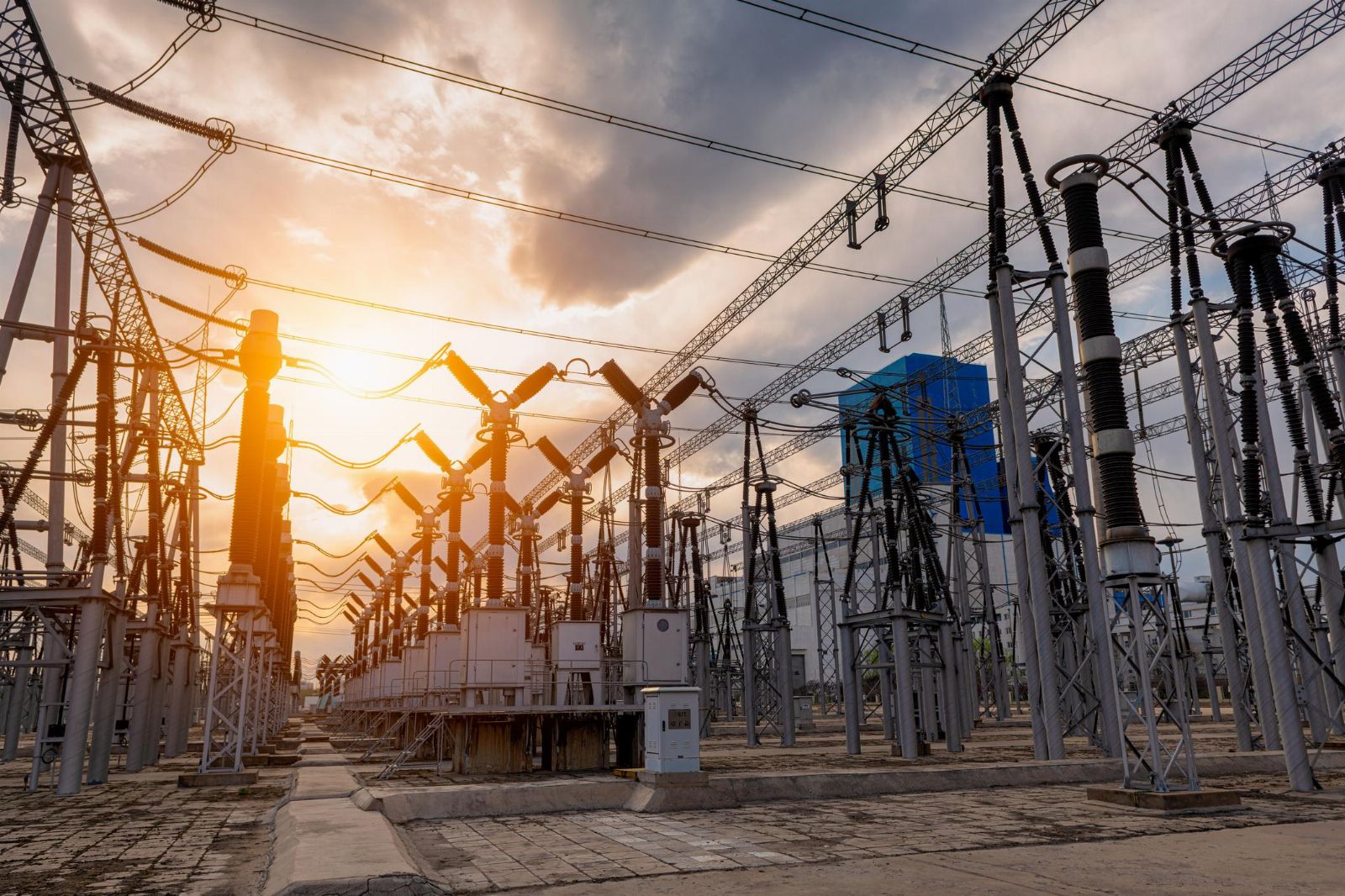
- Design of low-voltage, middle-voltage and high-voltage electrical equipment of substations for voltages of 0.4 - 220 kV.
- Development of working documentation in accordance with the technological capabilities of the plant.
- Preparation of preliminary technical documentation for participation in tenders for the supply of equipment.
- Consultations on project approvals.
- Supporting the production of equipment at the plant.

Specialization:

- Switchgear for indoor and outdoor installation for voltages of 6, 10, 20, 35 kV.
- Air-insulated secondary switchgears AIS for voltages 6, 10 kV.
- Complete transformer substations CTS for voltage 10 - 220 kV.
- Disconnectors for voltage 0.4 ... 220 kV.
- Drive to disconnectors.
- Replacement of withdrawable elements and switches in existing switchgear (Retrofit).
- Low-voltage switchgears for voltage 0.4 kV.
- DC 600V switchgears RU-600.

KRU K-26 (K-XXVI) rated current 3150 A - withdrawable unit replacement (retrofit)

Retrofit is a modernization or partial re-equipment of MV switchgear (KRU/KSO) in which life-expired devices are replaced with modern ones, extending the service life of the panels without full replacement.
The primary focus is replacement of the most wear-prone and critical unit - the oil circuit-breaker. It is replaced by vacuum or SF6 circuit-breakers with spring-stored or electromagnetic actuators; unlike oil breakers they eliminate oil handling, offer high endurance and compact dimensions. A comprehensive KRU upgrade is also possible: block replacement of the breaker compartment with withdrawable truck, shutter mechanism, earthing switch drive, doors, relay cubicle and updated nameplates/markings.
The reliability of KRU or KSO is directly dependent on the switching equipment. Such modernization is a simple, cost-effective way to mitigate the failure risks of legacy breakers and increase personnel electrical safety.
Retrofitting existing electrical equipment is economically more rational than new procurement, design and installation, with shorter outages and lower costs; periodic overhauls of worn oil breakers do not guarantee the required reliability, while other cell components can be retained.

Purpose and application

The withdrawable-unit retrofit for KRU K-26 (K-XXVI) panels with rated current up to 3150 A is intended to replace obsolete withdrawable units with oil circuit-breakers by modern solutions based on vacuum or SF6 circuit-breakers. The solution targets 6–10 kV distribution networks in industry, power & utilities, mining & metallurgy, municipal infrastructure, refineries, data centers, transport and infrastructure. It is applicable for planned modernization, reliability & maintenance (R&M) programs, and substation refurbishments with limited outage windows.

Main retrofit objectives:

  • Increase operational reliability and reduce unplanned outages by introducing modern switching devices with high mechanical and interrupting endurance;
  • Bring panels up to current electrical safety practices, incl. internal arc, compartment partitions, interlocks and touch-protection levels;
  • Lower total cost of ownership (TCO) by eliminating oil handling, reducing maintenance and simplifying inspections;
  • Preserve cable connections, bus bridges, foundations and the switchboard envelope, minimizing civil works and downtime.

Technical data (typical)

ParameterValue
Rated voltage, kV 6 / 10
Rated main-circuit current, A up to 3150
Rated short-time withstand current, kA (3 s) 31.5 (opt. 25/40)
Rated peak withstand current, kA (peak) up to 80
Lightning/operating impulse withstand voltage, kV (BIL) 60–95 (per project)
Degree of protection, front/inside IP31 / IP2X (higher on request)
LSC category / partition class LSC2B / PM (per project)
Internal arc classification (IAC) AFL or AFLR 20–31.5 kA, 0.5–1 s (with gas duct)
Circuit-breaker mechanical endurance, operations up to 30 000 (depends on series)
Control supply type and frequency AC/DC, 50/60 Hz, 110–230 V
Withdrawable unit positions Disconnected / Test / Service
Withdrawable unit dimensions Adapted to K-26 opening (no change to panel body)
Withdrawable unit mass, kg depending on execution (approx. 250–400)
Operating ambient temperature range, °C –5…+40 (extensions on agreement)
Altitude of installation, m up to 1000 (above - with derating)

Note: exact values depend on the selected breaker series and project-specific type tests. If required, internal arc classification (IAC), LSC category and partition class PM/PI, as well as additional client requirements (seismic, climate, coating, degree of protection) are confirmed by project.

Service conditions

The retrofit kit is engineered for operation in indoor rooms with natural ventilation in environmental categories per EN/IEC 60721-3-3 (indoor use). Typical conditions:

  • ambient air temperature: from –5 °C to +40 °C (short-term up to +45 °C);
  • relative humidity: up to 95 % at +25 °C without condensation;
  • altitude above sea level: up to 1000 m without derating (above - parameters by design);
  • pollution category: normal, without chemically aggressive vapors, conductive dust and vibration beyond typical process equipment limits;
  • seismic: up to intensity 7 with appropriate fastening and stability verification;
  • enclosure protection: typically IP31 at the front, IP2X within compartments, higher by project.

For special conditions (marine atmosphere, heavy dust, high humidity/condensation, low-temperature areas) the retrofit module design and materials are adapted: reinforced coatings, additional heaters/ventilation, sealing, anti-corrosion executions, higher IP rating, and provision for diagnostic sensors (temperature, humidity, partial discharge).

Layout and design solutions

The K-26 withdrawable-unit retrofit is implemented in three typical executions: adaptation of the existing withdrawable unit, full replacement of the withdrawable unit, and a modular “hard-bus retrofill” solution (OneFit-type) consisting of an adaptation module and a standardized withdrawable assembly. The option is selected after an instrumented survey of the cell and operating-risk analysis.

  • Adaptation of the existing withdrawable unit. Installing a vacuum/SF6 circuit-breaker on the original truck via an adapter frame and contact adapters; overhaul and re-setting of mechanical linkages, guide re-alignment, shutter mechanism replacement, modernization of the secondary plug. Advantage - minimal metalwork. Notes - alignment and interlock check/setting required; type checks of insulation and mechanics are recommended after assembly.
  • Full replacement of the withdrawable unit. Supply of a new withdrawable truck in K-26 dimensions and connection interfaces, compatible with the interlock system and “disconnected/test/service” positions. Ensures quick commissioning, reduces body modifications; the old unit with oil breaker can be kept as backup if needed.
  • “Hard-bus retrofill” module (OneFit concept). A factory module installed in the breaker compartment without intervention in busbar systems; includes the interface to existing primary conductors, integrated shutters, interlock system and guides. Provides improved creepage/clearance distances and withstand levels, standardized maintenance, closed-door racking in/out and optional motorized remote racking (by project).

Key design features of the retrofit kit:

  • Switching device. Vacuum or SF6 circuit-breaker of suitable interrupting class (6–10 kV, 25–31.5–40 kA), endurance up to 30 000 mechanical operations depending on series, options with motor-charging and readiness for auto-reclosing (AR) / automatic transfer (ATS) schemes.
  • Primary circuit interface. Custom adapters to mate with the panel’s fixed contacts, optimization of contact pressure; if required - replacement/re-setting of tulip contact assemblies.
  • Shutter mechanism. New shutters with independent phase actuation, interlocks against mal-operations, visual position indication.
  • Earthing switch. Possible installation/replacement of the earthing switch drive and contacts with making capacity to the required peak withstand level.
  • Interlocks. A set of mechanical and electrical interlocks: no racking with the breaker closed, no breaker closing with shutters open, mutual interlocks with the earthing switch drive and doors; optional key/solenoid interlocks.
  • Secondary circuits. New removable multipin plug with pinout aligned to existing schemes; relocation of control relays, terminal blocks, modern interfaces (dry contacts, Modbus/IEC 61850 at the protection IED level).
  • Diagnostics and digitalization. Temperature sensors on primary joints, vibration/drive-life monitoring, operation counter, IEC 61850 integration (GOOSE/MMS), provision for remote HMI, remote racking and closed-door maintenance.

Typical equipment replacement options

1) Replace the circuit-breaker with a new one on the existing withdrawable truck via an adaptation kit, with updated interlocks and secondary plug; linkage alignment required. The lowest-cost but the most time-consuming option.
2) Replace the entire withdrawable unit with a new one fully compatible in dimensions and interfaces; interlocks correspond to the existing system. A fast option requiring minimal modifications; the old unit with oil breaker can serve as backup.
3) Use a factory “hard-bus retrofill” module (OneFit-class) - a ready module with breaker, implemented mechanical/electrical interlocks, protective shutters and adapted primary contacts. Advantages:
- improved clearances and creepage distances;
- type-tested design and unified maintenance procedures;
- higher mechanism reliability and standardized O&M; closed-door racking available.

Safety

The retrofit module is engineered to enhance personnel safety:

  • Internal arc. Solutions can be supplied with internal arc classification IAC AFL or AFLR for the specified current/time (e.g., 20–31.5 kA for 0.5–1 s) with proper gas exhaust and compartment sealing - project-specific.
  • Closed-door operations. Racking to “test/service”, breaker and earthing switch operations are performed with doors closed (when corresponding drives are provided), reducing arc-flash exposure.
  • Compartment partitions. Metal partitions between compartments, contact shutters, screens and bonding of moving parts provide the required touch protection and limit arc propagation.
  • Interlocks and indication. Mechanical and electrical interlocks prevent mal-operations; status indication for all operating elements is placed on the front panel.
  • Active arc protection. Optional optical arc-flash protection systems accelerate tripping.

Manufacturing options

  • Based on a vacuum circuit-breaker with rated breaking capacities 25/31.5/40 kA, current up to 3150 A.
  • Based on an SF6 circuit-breaker for applications with stringent interrupting/endurance requirements.
  • Shutter system - standard or reinforced, with independent actuation per phase.
  • Earthing switch drive - manual or motorized; earthing switch with making capacity.
  • Protection & control - from re-using existing relays to deploying digital IEDs and process bus.
  • Sensors & monitoring - temperature labels, thermal sensors on joints, drive vibration sensors, operation counter, monitoring interfaces.
  • Coatings & paints - standard / enhanced anti-corrosion for aggressive environments.
ScenarioCommissioning timeMetalwork scopeCompatibilityCost
Adapt existing truck Medium Minimal High (if geometry retained) Low
Full replacement of withdrawable unit Short Minor Guaranteed Medium
“Hard-bus retrofill” module (OneFit-class) Short No intervention in busbars High (standardized) Medium / above medium

Standards compliance

Retrofit solutions and devices are designed in accordance with applicable norms. Project confirmations may include:

  • IEC 62271-1 - general requirements for medium-voltage switchgear and controlgear;
  • IEC 62271-200 - metal-enclosed medium-voltage switchgear (LSC, PM/PI, IAC);
  • IEC 62271-100 - AC circuit-breakers;
  • IEC 62271-102 - disconnectors and earthing switches;
  • IEC/EN 60529 - degrees of protection (IP Code);
  • Environmental categories - indoor installation per EN/IEC 60721-3-3.

Partnering with contractors and OEMs

We welcome cooperation with electrical equipment manufacturers, installation companies, design institutes and investors interested in serial production and deployment of retrofit solutions for KRU K-26. Collaboration formats: licensing of design documentation under partner’s brand, contract manufacturing cooperation (metalwork, machining, painting, assembly), technical support of pilot projects, joint participation in EPC/EPCM tenders, personnel training and supervisory installation.

Delivered documentation

The supply includes a package of design and O&M materials:

  • Drawings - overall and interface, part/assembly BOMs (DWG/DXF, PDF);
  • 3D models of units and assemblies (STEP/Parasolid), optionally native sources for SolidWorks/Inventor;
  • Electrical schematics - principal and secondary wiring, pin-out maps for plugs;
  • Instructions for installation, alignment, interlock checks and primary tests; maintenance schedules;
  • Templates - datasheets and technical requirements, product passports and test reports.

Why work with us:

- No need to maintain highly specialized engineering staff - you receive a complete documentation set for manufacturing; an engineer of average qualification can work with it. 
- No need to build prototypes - our experience allows launching serial production successfully.
- Working to our documentation, your staff will be consulted on all nuances of replacing the withdrawable unit of KRU K-26 (K-XXVI) 3150 A.

For additional information on replacing the withdrawable unit of KRU K-26 (K-XXVI) 3150 A (retrofit), please contact: inbox@proekt-energo.com

PDF - Download technical information on the KRU K-26 (K-XXVI) 3150 A withdrawable unit replacement (retrofit)

pdf

KRU-2-10 - withdrawable unit replacement (retrofit)
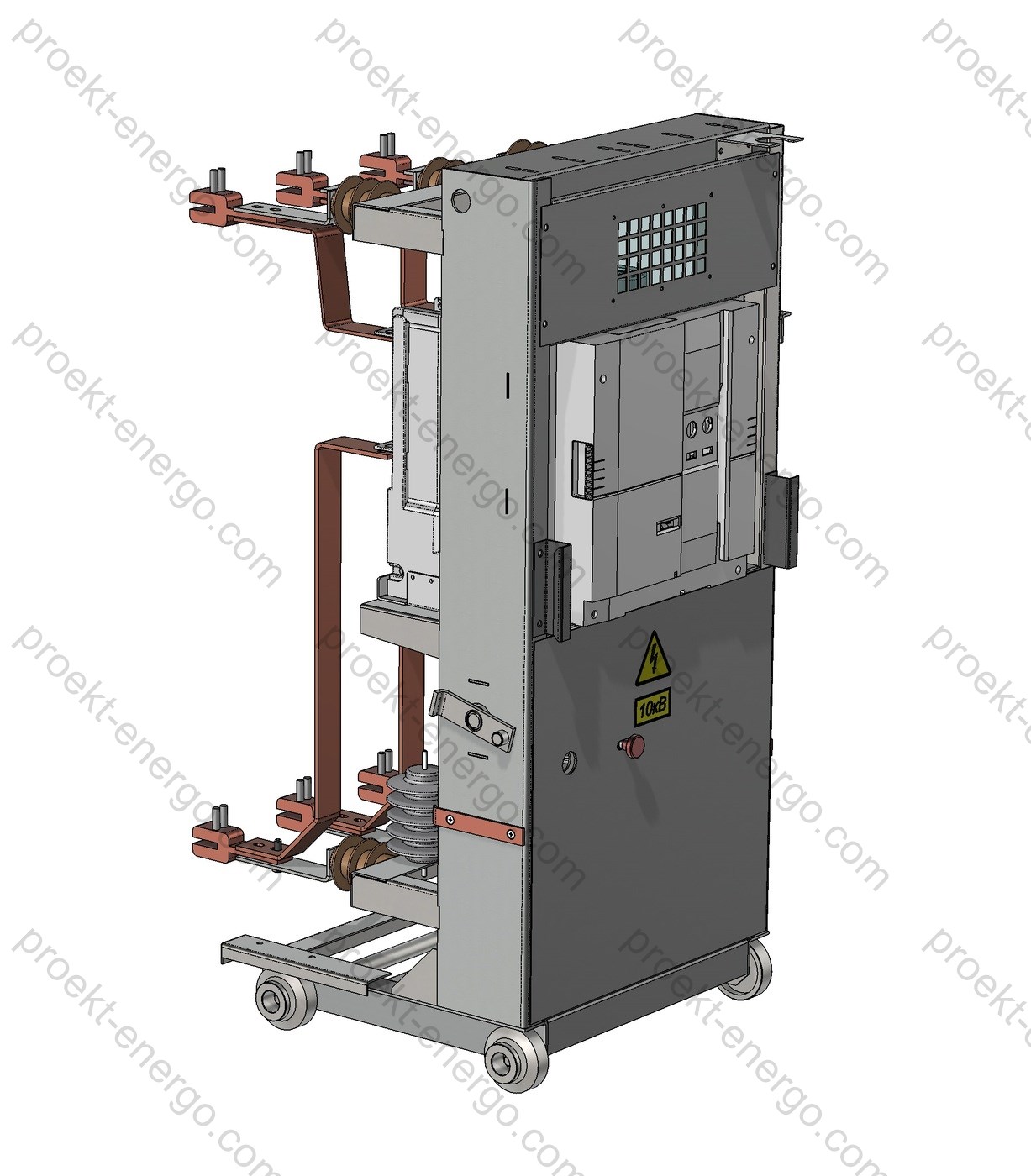
Retrofit is the modernization or partial re-equipment of KRU/KSO switchgear by replacing obsolescent components with modern ones while preserving the switchroom architecture and the existing interfaces to busbars, foundations and cable terminations. For the KRU-2-10 series, the greatest effect is achieved by replacing the withdrawable truck (drawout unit) with an oil circuit-breaker by a modern vacuum or SF6 circuit-breaker with a spring-operated or electromagnetic operating mechanism. Such a replacement eliminates oil handling, increases switching endurance and reduces operational risk while keeping the cubicle layout and service interfaces unchanged.

Purpose and application

KRU-2-10 is used for receiving and distributing electric power in three-phase AC networks, 50 Hz, at 6 kV and 10 (12) kV, in systems with isolated neutral or earthed via an arc-suppression (Petersen) coil. The retrofit of the withdrawable unit is intended to extend the life cycle of existing substations without full switchgear replacement, which is especially relevant when:

  • fault-clearing reliability needs to be increased and scheduled maintenance reduced;
  • existing cubicles must be brought into line with current IEC/EN requirements;
  • budgets and/or outage windows are constrained;
  • there is a need to increase switching endurance and ensure predictable maintenance.

Applications: MV distribution at industrial facilities, power utilities (6–10 kV distribution substations), mining and oil & gas, transport and municipal infrastructure, telecom sites, data centers, etc. Owing to the standardized geometry of KRU-2-10 cubicles, a new-generation withdrawable truck retrofit allows the existing connections, door openings, shutter mechanisms and interlocks to be retained, or replaced by factory adapters with minimal intervention in the enclosure.

Technical data (typical ranges for KRU-2-10 retrofit)

ParameterValue/rangeNote
Voltage class 6 or 10 (12) kV, 50 Hz Systems with isolated neutral or via arc-suppression coil
Rated feeder current 630–1600 A (on request up to 2000 A) Depends on CB type and cooling conditions
Rated busbar current 1250–3150 A Per switchgear project and service conditions
Rated short-circuit breaking capacity 20/25/31.5 kA By selection of CB type and CTs
Mechanical endurance of CB 10,000–30,000 operations As per chosen device data sheet
Enclosure degree of protection IP3X–IP41 Per installation site, IEC 60529
Power-frequency withstand (1 min) up to 28 kV for 12 kV class Per IEC 62271 (exact value per selected device)
Lightning impulse withstand (LI, 1.2/50 µs) up to 75 kV (12 kV class) Per IEC 62271 (typical for 12 kV)
Operating temperature range -5 °C to +40 °C Extendable with options (heating/anti-condensation)
Secondary circuits interface Standard KRU-2-10 plug / “pin-to-pin” adapter Preserves the native interlock logic
Protection & control options IEC 61850/104, AR/ATS, breaker-failure (BF) and backup schemes IEDs from leading manufacturers

Service conditions

Retrofit kits and replacement withdrawable units are designed for standard indoor MV switchgear environments:

  • ambient air temperature typically from -5 °C to +40 °C (extended ranges with space heaters if required);
  • relative humidity up to 80 % at +15 °C without condensation (anti-condensation heaters available);
  • altitude up to 1000 m a.s.l. (higher on agreement with insulation coordination adjustment);
  • installation category per EN/IEC 60721-3-3 / similar indoor category (non-aggressive, non-hazardous atmospheres);
  • pollution degree as per project (enhanced insulation, IP executions and anti-corrosion coatings are available).

Subject to local codes, the retrofit may include replacement/addition of ventilation, heating and micro-climate control (temperature and humidity sensors, signaling to SCADA/DCS) to prevent condensation and insulation moisture ingress, which is especially relevant for old indoor substations and damp basements.

Layout and design solutions

The baseline scope for a KRU-2-10 withdrawable-unit retrofit includes removal of the existing truck with an oil (low-oil) circuit-breaker and installation of a new truck with a vacuum or SF6 circuit-breaker, as well as adjustment/replacement of interfacing assemblies:

  • power-contact and guide adapters, alignment of heights/projections of main tulip contacts;
  • rework/replacement of the shutter mechanism and mechanical interlocks, synchronization of the positions “insert/test”, “service”, “open/earthing”;
  • modernization of the earthing switch operating mechanism (if required) and integration of position indication;
  • replacement/adaptation of the secondary plug, transfer of control, signaling and interlock circuits to the new scheme;
  • deployment of digital protection relays (IEDs) with IEC 61850/IEC 60870-5-104 per project, with settings verification;
  • check of main-contact transition resistance, earthing scheme, and dielectric tests per IEC/EN.

To speed up implementation, three typical scenarios are available:

  1. On-site CB replacement using an adaptation kit (cross-members, contact blocks, transition plates) with updated interlocks and secondary plug. The most cost-effective option, but requires precise adjustment of the operating mechanism and some supervision time.
  2. Complete withdrawable-unit replacement with a new truck fully compatible with KRU-2-10 dimensions and interfaces. Interlocks and logic are identical to the native design; installation time is minimal. The removed oil-CB truck may be kept as a spare.
  3. Factory “Retrofit Frame” / “OneFit” module - a ready frame assembly with circuit-breaker, integrated shutters, interlocks, current sensors and type tests per IEC 62271-1/-100. The solution provides identical kinematics, improved insulation coordination and reduces the impact of human factor in operation.

Retrofit options comparison

OptionImplementation timeScope of reworkDocumentationAdvantages
On-site CB replacement Medium High (adapters, alignment) Factory and site acceptance test records Low cost, flexibility
Complete truck replacement Fast Low (plug-and-play) Certificates for the assembly and kit, dielectric test records Minimum risk, repeatability
“OneFit”/frame module Fast/medium Low (factory frame) IEC type tests, compatibility reports Better insulation, built-in sensors, unification

Safety

Retrofit enhances personnel and electrical safety through:

  • sealed vacuum/SF6 interrupting chambers - no oil leakage, minimal fire risk;
  • modern interlock systems preventing mal-operations during racking-out/racking-in, switching onto the earthing switch, etc.;
  • improved indication of device positions, voltage presence, and test plug insertion;
  • option to equip arc-detection sensors and high-speed tripping schemes based on microprocessor IEDs;
  • enhanced insulation coordination and coordinated creepage distances for dusty/damp rooms.

Manufacturing options

On request, executions are available for feeder rated currents of 630–1600 A (for selected feeders up to 2000 A) and breaking capacities of 20/25/31.5 kA; rated busbar current 1250–3150 A. We supply withdrawable trucks with circuit-breakers from leading manufacturers, adapter kits for your KRU-2-10 cubicles, and ready frame modules. As per project, we can supply protection relays (e.g., families with IEC 61850 support), measuring current/voltage transformers, breaker-failure and backup protection, ATS/AR, control/indication panels, as well as busbar kits and bus bridges for sectionalizing and incoming feeders.

Options: VPIS (voltage presence indicating system) integration, door viewing windows, truck position monitoring systems, space heaters, anti-corrosion coatings, higher-IP executions, seismic anchoring, cable terminations tailored to your cable types, and sets of service sticks and transport trolleys.

Compliance with standards

Retrofit solutions are engineered and manufactured in accordance with applicable norms. In the project and test documentation we follow (selectively, per supply scope):

  • IEC 62271-200 - metal-enclosed switchgear and controlgear for voltages above 1 kV and up to and including 52 kV (MV switchgear);
  • IEC 62271-100 - AC circuit-breakers (medium-voltage range per project);
  • IEC 62271-102 - earthing switches and disconnectors;
  • IEC 62271-1 - common specifications for MV switchgear and controlgear;
  • IEC 60529 - degrees of protection (IP code);
  • IEC 60071 (or current replacements per IEC TC 28/TC 17) - insulation coordination.

If required, compliance with national standards and customer-specific industry requirements can be demonstrated by type and routine test protocols. For environmental categories formerly referenced as GOST 15150 (e.g., U3/U1), we apply the EN/IEC 60721 series (e.g., EN/IEC 60721-3-3 / EN/IEC 60721-3-4) as applicable to the installation.

Engaging contractors and investors

We are open to cooperation with electrical equipment manufacturers, assembly plants, service and EPC/installation companies, as well as investors interested in series production of retrofit kits for KRU-2-10. Various collaboration models are possible: contract manufacturing of assemblies, supply of design documentation and tooling, licensing, staff training, site supervision, support during certification and type testing. For EPC contractors we provide complete design inputs, 3D models for coordination, material take-offs and cable/wiring schedules.

Delivered documentation (drawings, 3D models)

The documentation package includes: overall and interface drawings (DWG/DXF), 3D models (STEP/Parasolid), single-line and secondary circuit diagrams (AutoCAD Electrical/ECAD), bills of materials, questionnaires, installation/commissioning/operation manuals, dielectric-test and commissioning procedures, catalog sheets for relays/sensors, and lists of purchased items. All materials are adapted to your manufacturing capabilities and project requirements; localization to your corporate CAD and document standards is available.

Benefits of working with us:

- No need to maintain highly qualified engineering staff - you receive a complete documentation set for the product to be manufactured, suitable for an engineer of average qualification. 
- No need to build pilot prototypes - our experience allows launching serial production successfully from the start.
- Working to our documentation, your specialists will receive consulting on all nuances of replacing the KRU-2-10 withdrawable unit.

For additional information on KRU-2-10 withdrawable unit replacement (retrofit), please contact: inbox@proekt-energo.com

PDF - Download the technical information on KRU-2-10 withdrawable unit replacement

pdf

KRU K-13 (K-XIII) - Withdrawable Element Replacement (Retrofit)

A retrofit of KRU K-13 (K-XIII) is a set of measures to upgrade the switching section of medium-voltage cubicles (6–10 kV) by replacing life-expired components with modern ones while retaining buildings, bus bridges, cable terminations and most metalwork. This approach quickly improves reliability and safety without the high cost of a complete switchgear replacement and without long outages of process equipment.

Purpose and scope

The primary objective of the K-13 retrofit is to replace the oil circuit-breaker with a modern vacuum or SF₆ circuit-breaker (gas-insulated) with a spring-charged or magnetic actuator. The upgraded withdrawable unit operates normally within the existing KRU/KSO and fully integrates into interlocking chains, control circuits and protection/automation systems. The solution is suitable for:

  • industrial substations (main step-down substations, distribution switchrooms, package substations) across chemical, oil & gas, mining & metals, and pulp & paper industries;
  • power and utility infrastructure: CHP plants, boiler houses, 35/6–10 kV substations, district substations, district/individual heating substations;
  • transport and logistics infrastructure: traction substations, compressor stations, port facilities;
  • generation based on renewables (wind and small hydro) and backup diesel/gas-engine gensets where high operating duty and fast clearing are required;
  • facilities with stringent continuity-of-supply and operational-risk requirements.

A retrofit is equally effective for a single withdrawable unit replacement or as part of a phased modernization program of an entire switchroom. In most cases the feeder interface, secondary terminal blocks, cable terminations and bus bridges can be retained-while the switching module is upgraded first.

Service conditions

Upgraded withdrawable units for KRU K-13 are designed for standard service conditions used for medium-voltage switchgear:

  • Rated voltage: 6 or 10(12) kV; frequency 50 Hz;
  • Environmental classification: indoor installations per EN/IEC 60721-3-3; typical ambient temperature range from -25…-5 °C up to +40 °C (depending on version);
  • Altitude: up to 1000 m without derating; higher altitudes by agreement with dielectric-strength correction factors;
  • Relative humidity: up to 95 % at +25 °C without condensation (short-term);
  • Pollution withstand: sealed-for-life interrupters ensure operation in dusty environments; for harsh conditions-filters, improved sealing and anti-condensation heaters are available;
  • Seismic capability: configurations with validated analysis/tests up to zone 8 (on request);
  • Overvoltage categories: compatible for joint operation with surge arresters to limit switching overvoltages;
  • Atmosphere: non-explosive, free from conductive dust and aggressive gases in concentrations harmful to metals and insulation (special versions for designated zones on request).

For cold/tropical climates, optional packages include anti-condensation heaters, enhanced moisture protection, corrosion-resistant coatings, and vibration-resistant mounting. Versions tailored to oil & gas, transportation and nuclear industry requirements are available on agreement (factory QA levels, special coatings, marking, etc.).

Layout and design options

Retrofit options for K-13 are selected after a site survey: assessing compartment dimensions, busbar position, rail tracks, shutter mechanism, earthing-switch kinematics and secondary interfaces. We offer three proven concepts that differ in intervention scope, schedule and cost:

  1. Adaptation kit on the existing withdrawable unit. The trolley and power contacts are retained; a new circuit-breaker (vacuum/SF₆) is installed with adapter plates and linkages, the actuator is adapted, cam interlocks/limit switches are renewed, and the secondary plug is replaced/reconfigured. Pros: minimal changes inside the cubicle. Cons: increased labor, precise kinematic alignment required.
  2. Complete replacement of the withdrawable unit. A new withdrawable module is supplied, complete with circuit-breaker, primary contact arms, coordinated shutter mechanics and earthing-switch drive. Compatibility with mounting interfaces and interlocking logic is guaranteed. Pros: fast installation, predictable result. The former unit can be kept as a spare or for parts.
  3. Factory-built “plug-in” module (Retrofill class). An integrated frame with a new circuit-breaker, internal primary interface and a hard-bus subsystem aligned with existing terminations. Includes protective shutters, interlock systems and test/maintenance positions. Type checks of dielectric clearances, temperature rise and opening dynamics are performed. Pros: highest repeatability and fastest commissioning.
OptionWork scope inside cubicleImplementation timeFeaturesRecommended for
Adaptation kit Minimal changes, kinematic alignment Medium Lowest cost, higher tuning effort One-off replacements, tight budgets
New withdrawable unit Trolley replacement, interlock coordination Short Best balance of cost/time, high predictability Series replacements within a workshop/substation
“Plug-in” module (Retrofill) Minimal site works Minimal Type-tested, improved clearances Production nodes critical to downtime

Structurally, the new withdrawable unit includes: a trolley frame with position detents (“racked-out”, “test”, “service”), guide and brush contacts, shutter linkages, earthing-switch drive, secondary connectors, a local indication and limit-switch block, mounting plates for protection/AR/ATS functions, and options for phase-synchronization and wear signalling. The interrupter system is sealed; maintenance is limited to periodic checks of mechanics and electrical joints. Optional energy storage with remote charging, motor-charging drive, contact-wear sensors and operation counters can be fitted.

During retrofit we seek to improve dielectric distances and air clearances around primary contacts and live parts by using screening covers, improved bus hardware, heat-resistant insulators and modern materials. This lowers the probability of internal flashover under contamination and humidity and reduces thermal stress at continuous current.

Safety

Personnel and equipment safety is a key project criterion. The retrofit includes:

  • Mechanical/electrical interlocks preventing incorrect operations (e.g., racking with the breaker closed, closing with the earthing switch engaged);
  • Self-closing shutters on primary contacts;
  • Position sensors and limit switches duplicating “ON/OFF”, “test/service” and “earthed” indications;
  • Local pictograms and warning labels per ISO;
  • Secondary-circuit verification via a test connector without applying MV to the primary circuit;
  • Compatibility with protection & control devices (ANSI 50/51, 50N/51N, 27/59, 81, 94, 25, 46, etc.) and AR/ATS programs;
  • Optional packages to enhance internal-arc robustness (directed pressure relief, reinforced doors and panels for legacy enclosures).

Commissioning includes dielectric tests of insulation, contact-resistance checks, thermal imaging, protection setting, and functional checks of interlocks and remote commands.

Configurations and supply

We supply K-13 retrofit kits and withdrawable units in several configurations:

  • With a base vacuum circuit-breaker (rated current 630–3150 A; breaking capacity 20–31.5 kA; mechanical endurance up to 30–50 k cycles);
  • With an SF₆ circuit-breaker as part of an integrated module (for specific service conditions where required);
  • Actuator: spring-charged with motor-charging or magnetic actuator; with remote control capability;
  • Secondary interfaces: one/two 32/64-pin connectors adapted to standard K-13 terminal blocks;
  • Options: shunt/undervoltage releases, SF₆ density sensors (where applicable), circuit-integrity test devices, key-interlock systems, add-on protection cabinets.

Supply is possible as a self-installation kit at the Customer’s site (with author supervision) or as a turnkey service including a site supervisor, commissioning and staff training.

Standards compliance

K-13 retrofit solutions are engineered and manufactured to the current requirements applicable to medium-voltage switchgear and controlgear, including:

  • EN/IEC 62271-1 - general requirements for medium-voltage switchgear and controlgear;
  • EN/IEC 62271-200 - metal-enclosed switchgear for voltages above 1 kV and up to and including 52 kV;
  • EN/IEC 62271-100 - AC circuit-breakers;
  • EN/IEC 62271-102 - disconnectors and earthing switches;
  • EN/IEC adoptions applicable in the customer’s region;
  • Applicable electrical installation rules and industry safety regulations in the country of use.

Engaging contractors and partners

We are open to cooperation with electrical equipment manufacturers, metalwork plants, installation and commissioning firms, engineering companies and investors interested in serial manufacture and deployment of K-13 retrofit kits. Possible cooperation models:

  • Licensed assembly to our design package at the partner’s site with supply of critical components (trolley frames, contact arms, shutter mechanisms, interlock assemblies);
  • Contract manufacturing of selected assemblies and mechanical parts at the contractor’s facilities with our acceptance;
  • EPC-format partnerships (survey - design - manufacture - commissioning - service) for large modernization programs;
  • Investment projects to set up a new area/line for serial retrofits of legacy KRU series.

For design and tender teams we provide an advance information package: BIM/CAD-ready 3D models, typical specifications, BOMs, test protocols, commissioning procedures, risk registers and safety plans.

Documentation offered

Delivered with the supply and/or under a separate contract:

  • Complete design package (fabrication drawings, parts lists, schematic/connection diagrams, kinematic diagrams, operation & commissioning manuals);
  • 3D models in STEP/Parasolid, plus sets in AutoCAD (DWG/DXF) and SolidWorks for production prep;
  • Questionnaires and specification templates for tenders, nameplates and service logs;
  • Test protocols (electrical, mechanical, interlock checks) and conformity lists;
  • Survey methodology for existing K-13 cubicles with defect checklists.

Technical data

Rated voltage, kV 6; 10 (12)
Rated continuous current, A 630; 1000; 1250; 1600; 2000; 2500; 3150 (depending on breaker selected and cooling conditions)
Breaking capacity, kA (short-time/peak short-circuit withstand) 20–31.5 kA (short-time 1 s), peak 50–80 kA - per breaker type
Operating duty up to 30,000–50,000 mechanical operations; categories E2/M2/C2 for vacuum interrupters
Degree of protection Withdrawable unit: IP2X/3X; front-door IP per existing KRU enclosure
Environmental classification EN/IEC 60721-3-3 (indoor), optional packages for “cold/tropical” conditions
Circuit-breaker actuator Spring-charged with motor-charging / magnetic actuator; remote control, AR/ATS
Withdrawable-unit positions “Racked-out”, “Test”, “Service”, with detents and interlocks
Secondary connections Standard 32/64-pin connectors compatible with K-13; custom harnesses available
Protection & control compatibility ANSI/IEC functions: 50/51, 50N/51N, 27/59, 81, 46, 94, 25, etc.; discrete interfaces and, on request, digital
Seismic capability Up to zone 8 (special configuration)
Documentation Design package, manuals, test & commissioning programs, nameplates, 3D models (STEP/Parasolid), DWG/DXF

Project implementation steps

  1. Survey of K-13 cubicles: measurements, photo records, condition of trolleys, contacts, shutters, drives and secondary circuits;
  2. Engineering: 3D modelling, interface adaptation, schematic review, preparation of drawings and questionnaires;
  3. Manufacture of frames, arms, shutter mechanics, breaker/actuator selection, assembly of modules;
  4. Pre-factory tests: dielectric checks, temperature-rise, mechanical cycling, interlock and secondary-circuit checks;
  5. Delivery and site supervision, integration into cubicles, alignment checks, commissioning with protection engineers;
  6. Putting into service, staff training, handover of documentation and test records.

Economic effect and operational advantages

  • Lower CAPEX compared with full switchgear replacement (no dismantling/installation of enclosures, busbars and cables);
  • Minimal downtime - phased work while keeping adjacent feeders energized;
  • Lower OPEX - no oil system, no drain/fill procedures, no arc-chamber servicing;
  • Higher electrical safety (improved clearances, robust interlocks, accurate indication);
  • Predictability - proven designs and type-checked assemblies reduce rollout risks.

Bottom line: retrofitting the K-13 withdrawable unit is a fast, predictable way to extend switchgear life, align it with modern standards and increase electrical readiness without major reconstruction.

Why work with us

- No need to maintain a large in-house engineering team - you receive a complete design package that a mid-level engineer can work with.
- No pilot prototypes required - our rollout experience enables immediate series production.
- Your specialists receive consulting on all KRU K-13 (K-XIII) withdrawable-unit replacement nuances: from kinematic alignment to interlock checks and commissioning.

For more information on KRU K-13 (K-XIII) withdrawable-unit replacement (retrofit), contact: inbox@proekt-energo.com

PDF - Download technical information on the KRU K-13 (K-XIII) withdrawable-unit retrofit

pdf

KRU K-26 (K-XXVI) – withdrawable unit replacement (retrofit)
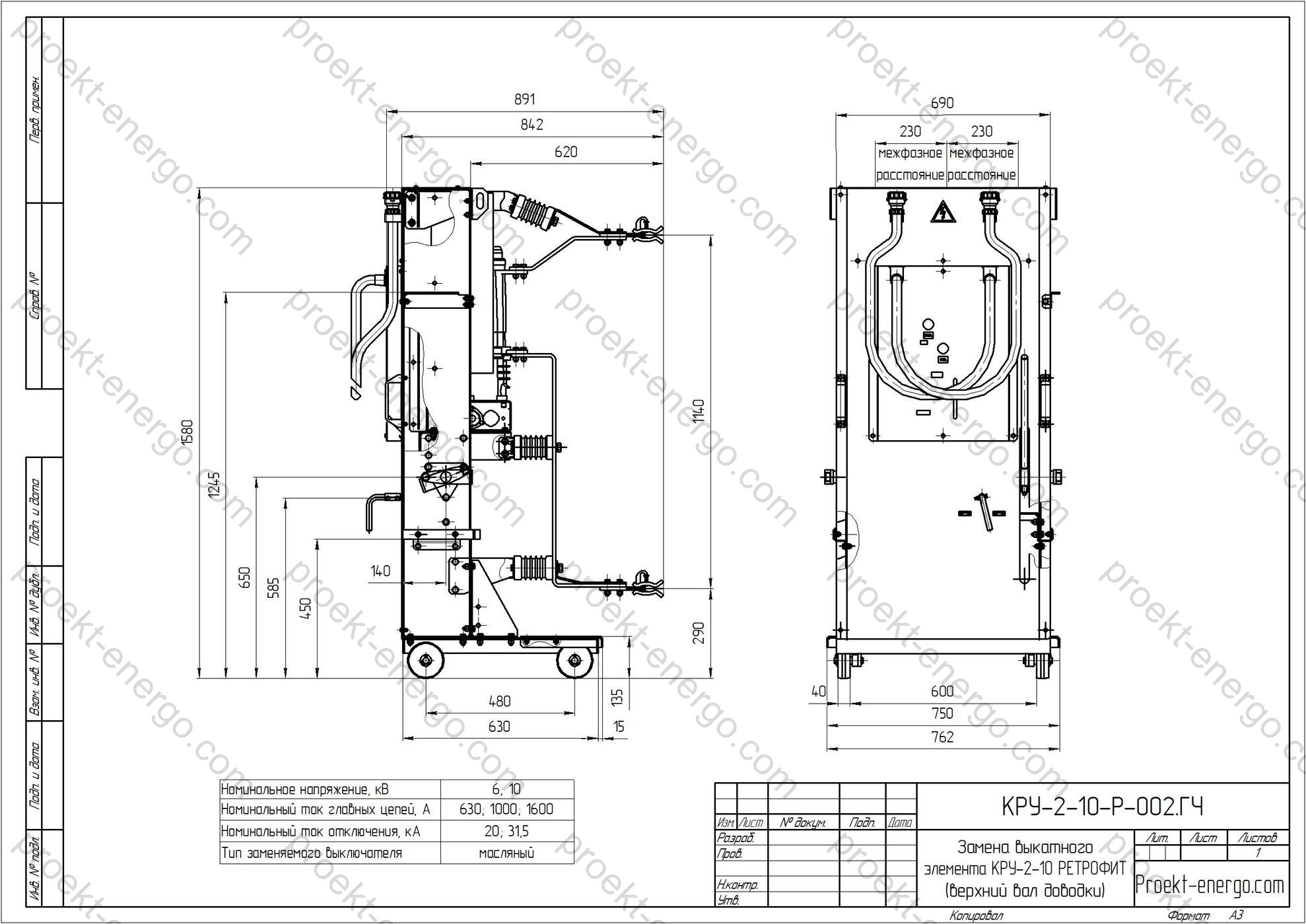
Retrofit of the withdrawable (draw-out) unit for KRU K-26 (K-XXVI) is a modernization of an operating 6–10 kV medium-voltage switchgear with replacement of obsolete mechanical and electrical parts by modern solutions (vacuum or SF6 circuit-breakers, adapted mechanisms, new interlocks) without civil works and without replacing the panel enclosure. This approach quickly increases switchgear reliability and safety, reduces O&M costs, and minimizes equipment downtime. Existing cable terminations, bus bridges, foundations and most metalwork are preserved, which is especially important where outage windows are limited and supply continuity requirements are high.

Purpose and application

The goal of the modernization is to extend the service life of K-26/K-XXVI panels and bring them in line with modern requirements for operational reliability, electrical safety and maintainability without full switchgear replacement. Replacement of the withdrawable unit addresses key tasks:

  • Delivering the required switching capability in 6/10 kV networks with isolated or compensated neutral by using vacuum circuit-breakers with service life up to tens of thousands of operations, stable breaking capacity and increased pollution withstand.
  • Reducing operational risks and costs by eliminating oil systems, cutting routine maintenance, unifying spare parts and using sealed-for-life vacuum interrupters.
  • Improving personnel safety through modern interlocking systems, shutter mechanisms, voltage presence indicators, as well as options to meet the required LSC/PM/PI categories and to limit the effects of internal arcs.
  • Unifying the circuit-breaker fleet - migration to common MV series (6/10 kV with spring-charged motor or electromagnetic mechanisms) widely available with established service support.
  • Minimizing process downtime - retrofit kits are designed to fit K-26 “as-built” mounting points, aligned to guide rail geometry and contact systems, enabling replacement in short, staged outage windows.

Applications: utility and power plant substations, distribution points at large industrial sites (metals, chemicals, oil & gas, mining, cement and building materials), transportation (metro, railway substations), data centers, commercial real estate and public utilities. Retrofit is applicable wherever K-26/K-XXVI series panels and their modifications are operated, as well as panels from other manufacturers with compatible interface dimensions.

Technical data (typical ranges for K-26)

ParameterValue / rangeComments
Rated voltage, kV 6; 10 Highest voltage for equipment 7.2/12 kV
Rated current of main circuits, A 630; 1000; 1250; 1600; 2000; 2500; 3150 Depends on breaker and busbars
Rated busbar current, A 1250; 1600; 2000; 2500; 3150 Per switchgear design
Short-time withstand current, kA/3 s 20; 25; 31.5 Per IEC 62271-100/-200
Peak withstand current, kA (peak) 51; 64; 81 Depends on live-part design
Breaker type Vacuum (preferred) / SF6 Spring-charged motor / electromagnetic mechanism
Shutter system Metal / insulating partitions Partition class PM or PI (per project)
Earthing switch Mechanical, manual / motor-operated Compliance with IEC 62271-102
Environmental conditions EN/IEC 60721-3-3 (indoor), -5…+40 °C / -25…+40 °C* *with space heaters; altitude ≤1000 m
Degree of protection IP31…IP41 (typical) Per room design and ventilation
Auxiliary circuits, V AC 220; DC 110/220 Plug-in / terminal connections
Indication ON/OFF, service/test, EARTHED Optical voltage presence indicators
Documentation DWG/DXF, STEP/Parasolid, specifications Complete set for fabrication/installation

Environmental conditions

Retrofit panels retain the climatic category of the original switchgear (typically EN/IEC 60721-3-3 for indoor locations) and are intended for service at altitudes up to 1000 m above sea level. Typical temperature ranges: -5 °C to +40 °C (without heaters) and -25 °C to +40 °C (with heaters in the relay compartment). Permissible relative humidity up to 95% at 25 °C without condensation. For sites above 1000 m and/or with increased dust, vibration, aerosols and condensation, special-duty solutions are offered: increased creepage and clearance distances, moisture-protective coatings of live parts, sealed bushings, local heating and compartment ventilation, use of desiccants and directed airflow. The design package provides adjustments to insulation levels and protection settings considering reduced air pressure and non-standard climatic factors.

Electromagnetic compatibility and immunity are tailored to local conditions: presence of VFDs, arc furnaces, high inrush currents. Following site surveys, additional filters, ferrites, shielding of secondary wiring, as well as redundancy of AC/DC control-power circuits with fail-safe logic and battery diagnostics are incorporated.

Layout and engineering solutions

K-26 retrofit is delivered under one of three base scenarios, selected for the site conditions and outage duration:

  • 1) Replace the circuit-breaker on the existing withdrawable unit. Supplied with an adaptation kit (brackets, adapter plates, operating shaft/coupling, rigid/flexible bus adapters), refurbishment and verification of mechanical interlocks, rearrangement/replacement of the secondary plug, overhaul of shutters and rollers. Pros - minimal supply cost and phased commissioning; cons - dependent on the condition of the old truck and guides, longer work time.
  • 2) Full replacement with a new withdrawable unit. A new draw-out unit with installed breaker and pre-set interlocks, geometrically compatible with standard guides, tulip contacts and limit switches. The old unit may be preserved as a spare. Benefits - fast energization, assured assembly quality, minimal in-panel modifications, and fleet unification.
  • 3) Factory-built module (“OneFit” / “plug-in”). Includes truck, breaker, shutters, racking mechanisms (worm/lever), drives, terminal blocks, nameplates and documentation. The module passes routine factory tests and provides unified interfaces for K-26, ensuring predictable installation time, repeatable quality and reduced commissioning work on site.

We use vacuum circuit-breakers from leading manufacturers (e.g., ZN63A/VS1, BB/TEL, BBR-10, Evolis, 3AH - as agreed with the project). Model selection depends on rated current and breaking capacity, operating mechanism (spring-charged motor/electromagnetic), required duty and environmental conditions. If required, current/voltage transformers, arc-flash sensors, protection panels, microprocessor IEDs, modernization of ATS schemes, SCADA/DCS interfaces, voltage presence indicators, as well as additional opto-signaling and programmable modular relays are provided.

Design upgrades include: restoration or replacement of mechanical interlocks (blocking racking with breaker closed, blocking closing when withdrawn, door interlocks), setting and synchronization of the shutter mechanisms with the truck travel, installation of guides and stops, overhaul of the contact system (tulips, blades), implementation of optical voltage presence indicators on feeders, and replacement of bus entries if needed. Marking is performed per engineering drawing standards and current safety rules; secondary wiring is traced and updated drawings issued.

Safety

The K-26 retrofit aims to enhance protection of personnel and equipment. Measures include:

  • Refurbishment and/or installation of new mechanical interlocks with key interlocking (racking only with breaker open and earthing switch engaged, key locks on mechanisms and doors, service/test positions).
  • Shutter mechanisms (metal or insulating partitions) that prevent access to live parts with the truck withdrawn, with partition class PM or PI depending on configuration.
  • Indication and diagnostics: visual position indicators (ON/OFF, service/test, EARTHED), optical voltage presence indicators on feeders, earthing switch position monitoring, and (project-defined) hot-spot sensors on bolted joints.
  • Internal arc mitigation (optional): pressure relief ducts, reinforced panels and doors, arc-guiding features in compartments, fast overcurrent/arc-flash protection (incl. optical sensors), and selection of accessibility and IAC categories to site requirements.

All solutions comply with applicable standards and manufacturer instructions. Target Loss of Service Continuity levels (e.g., LSC2B), partition class (PM/PI), and IAC parameters (A, AF, AFLR) are achieved within the constructional limits of the specific panel and room.

Supply options

Retrofit kits are available in several configurations to match equipment fleets and budgets:

  • Basic - circuit-breaker replacement with a mechanical adaptation kit and interlock refurbishment. Intended where truck and guides are in satisfactory condition and repair time is limited.
  • Standard - new withdrawable unit (truck) with installed breaker, shutter assembly and secondary connectors. Recommended for typical panels without significant legacy modifications.
  • Extended - factory-ready turnkey module (truck, breaker, shutters, drives, terminal blocks, nameplates, factory test records). Minimizes site work and commissioning time; optimal for batch replacement of multiple feeders.
  • Special - for harsh service (aggressive atmospheres, dust, vibration, altitude >1000 m, high humidity), with reinforced insulation, sealing, additional coatings and climate kits, plus protection & control adaptation to the process requirements.

Compliance with standards

Retrofit solutions and documentation are oriented to comply with current international standards, including (as applicable):

  1. IEC 62271-200 - AC metal-enclosed switchgear and controlgear for rated voltages above 1 kV and up to and including 52 kV (LSC/PM/PI classification, compartment and internal arc requirements; latest editions).
  2. IEC 62271-100 - Medium-voltage AC circuit-breakers (switching performance, duties T100s/T100a, service life).
  3. IEC 62271-102 - Disconnectors and earthing switches (requirements for earthing switches and disconnectors).
  4. IEC 62271-1 - Common specifications for medium-voltage switchgear and controlgear (service conditions, insulation levels).
  5. EN/IEC 60721-3-3 - environmental classes for stationary use at weather-protected locations (indoor climatic categories).
  6. IEC 60071-1/-2 - insulation coordination (as per project).

Economics, timing and typical risks

Practice shows that K-26 retrofit is significantly less expensive than full switchgear replacement with building works: no removal of existing cable terminations and bus bridges, preserved footprints and interfaces, reduced process downtime. Typical risks include hidden wear of guides/shutters and contacts, compartment contamination, legacy ad-hoc modifications, drawing inaccuracies. These are mitigated by a pre-project survey (field measurements, photo mapping), fabrication of jigs and templates, factory mock-up testing, site supervision/commissioning, and quality control with checklists. For batch deliveries, standardized kits are used to speed logistics and unify spares.

Comparison of retrofit options

OptionScheduleIntrusivenessCostAdvantagesRisks
Replace breaker on existing truck Longer Medium Low Minimal supply scope Depends on wear of truck/guides
New withdrawable unit Fast Low Medium Compatibility, repeatability, old unit kept as spare Accurate panel measurement required
“OneFit” module Very fast Minimal Medium/High Factory tests, pre-set interlocks Early project interfacing required

Partnering and subcontracting

We invite switchgear component manufacturers, machining and metal-fabrication shops, protection & control integrators, design and commissioning companies, as well as investors interested in producing retrofit kits for the K-26 fleet. Possible formats include: licensed assembly to our documentation, cooperation for machining and painting, OEM partnerships for breakers, joint pilot projects at customer sites, localization of components and subsequent certification. We provide support at all stages - from equipment selection and specifications to organizing factory and site acceptance tests.

Documentation offered

- Preliminary tender package: supply scope, questionnaires, list of applicable standards, cable and connector schedules, single-line and functional diagrams.
- Working drawings, specifications, 3D models (STEP/Parasolid), assembly instructions, wiring guides, secondary connection diagrams (DWG/DXF), list of gauges, tooling and templates for assembly control.
- Package for manufacturing the withdrawable unit at your facility or via coordinated outsourcing: machining, bending, welding, coating, assembly, testing, packing and preservation. If required - selection of subcontractors for critical operations (powder coating, electroplating, insulating coatings).
- Adaptation of the documentation set to project requirements: dimensions of the specific panel, actual wear of guides and contacts, applied connectors and breaker type, protection & control (IED) requirements, DCS/SCADA and telecontrol, local industrial safety rules and electrical codes.

Why work with us

- No need to maintain a large senior engineering staff: you receive a complete documentation set enabling an intermediate-level engineer to execute the work.
- No prototypes required: our experience and modular unification allow you to start series production immediately after supervisor approval and trial assembly.
- We consult on all specifics of the KRU K-26 (K-XXVI) withdrawable unit retrofit, including breaker selection, contact adapters, secondary connectors, protection & control and testing.
- We assist with manufacturing cooperation (metalwork, coating, live parts, cable assemblies), supply templates, train assemblers and commissioning staff. For series deliveries, we provide safety stock of critical components.

For additional information on the KRU K-26 (K-XXVI) withdrawable unit replacement (retrofit), please contact: inbox@proekt-energo.com

PDF – Download technical information on KRU K-26 (K-XXVI) withdrawable unit replacement (retrofit)

pdf

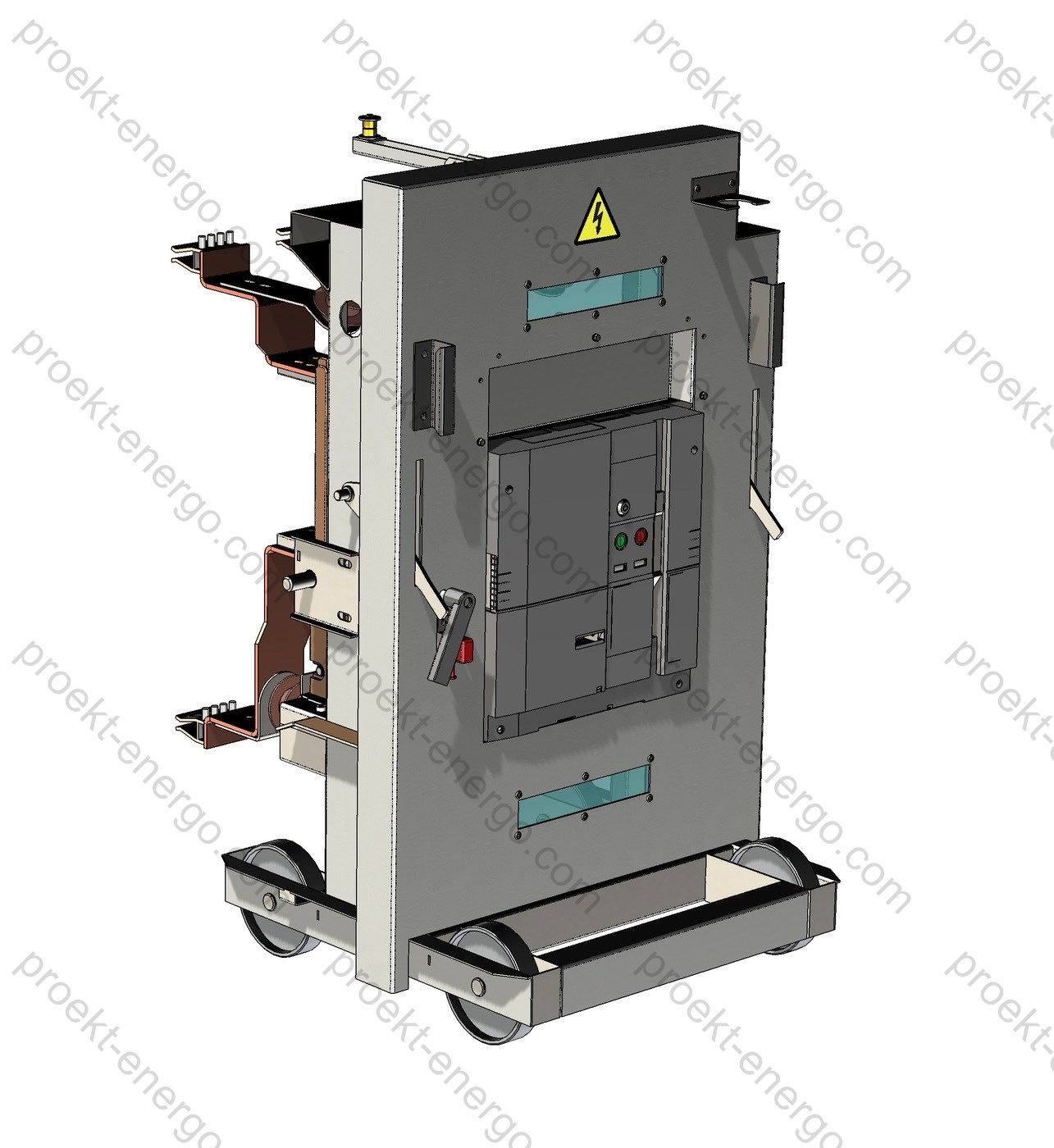
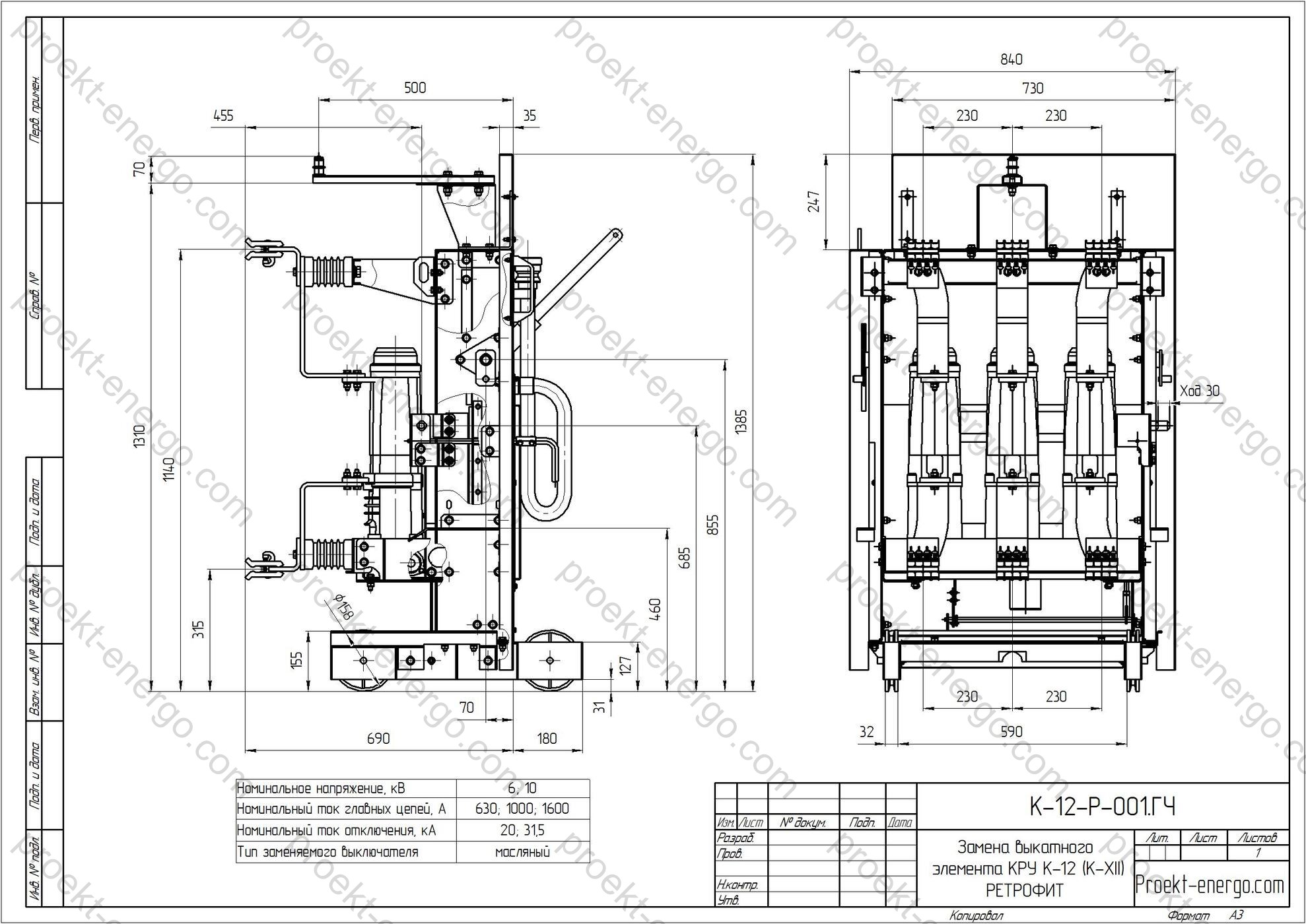
KRU K-12 (K-XII) – withdrawable unit replacement (retrofit)

Retrofit of the withdrawable unit for KRU K-12 (K-XII) is an engineering solution to extend the service life of 6–10 kV medium-voltage switchgear without full replacement of cubicles and busbar systems. We replace oil circuit breakers with modern vacuum or SF6 devices, adapt mechanical and electrical interfaces, and upgrade interlocks, the shutter mechanism, and secondary circuits. This approach reduces CAPEX/OPEX, improves safety and reliability, and significantly shortens equipment downtime during maintenance. Key search queries: “KRU K-12 retrofit”, “K-XII withdrawable unit replacement”, “oil CB to vacuum replacement”, “OneFit-class modules for MV switchgear”, “eco-retrofit MV switchgear”, “LSC2B-PM”, “IAC AFLR”.

Purpose and applications

The primary goal of retrofitting KRU K-12 (K-XII) is to replace an obsolete switching device (minimum-oil/air/oil circuit breaker) with a modern vacuum or SF6 circuit breaker with a built-in spring-stored or electromagnetic actuator, while keeping the existing cubicle body, busbars, cable terminations, and inter-panel connections. The solution targets primary and secondary power distribution at industrial substations (metals, oil & gas, mining, chemical), utility networks (6–10 kV switching stations/substations), transport and municipal infrastructure (metro, railway traction, water utilities, district heating), as well as data centers and large commercial facilities.

Retrofitting is reasonable when:
– the oil circuit breaker has exhausted its service life, leaks/depressurization occur, and oil-handling costs are rising;
– higher fire and electrical safety requirements are in force and arc-flash incident energy must be reduced;
– maintenance time must be shortened and serviceability increased: taking a feeder out/in is reduced to a single shift;
– modernization of protection and control is planned (migration to microprocessor IEDs, ATS, load-shedding schemes, telecontrol) with preservation of the power section;
– fleet unification of breakers is required (a single platform of E2/M2 vacuum devices with predictable maintenance);
– budgets are limited and/or a full switchroom rebuild with long outage is not feasible.

A completed retrofit raises the overall availability of KRU/KSO, improves fault tolerance, and expands functionality: built-in diagnostics (operation counter, spring life monitoring, contact temperature monitoring), position indication “disconnected/test/service/earthing switch”, arc-flash protection integration and high-speed tripping. A properly designed modular approach enables phased modernization - 1–2 feeders per outage - without impacting adjacent panels and without re-aligning busbar bridges.

Technical data (typical)

Below are typical parameters of the retrofit solution for KRU K-12 (K-XII). Exact values depend on the selected breaker, current-carrying parts, and service conditions; they are confirmed by calculations and test reports.

ParameterTypical valueNotes
Rated voltage 6; 10; 12 kV Selection per network class; compatible with K-12 insulation clearances
Rated current of withdrawable unit 630…3150 A Depends on cross-section of conductors and heat dissipation
Short-time withstand current (3-ph fault) 20…40 kA (1 s/3 s) Per calculated Ik and Ipeak up to ~2.5×Ik
Power-frequency withstand, 1 min (50 Hz) 20/28 kV (ph-ph/ph-earth) For 6/10 kV class; depends on applied insulation
Lightning impulse withstand (LI, 1.2/50 µs) 60/75 kV Typical for 6/10 kV cubicles
Endurance class of breaker E2/M2 Enhanced electrical/mechanical endurance
Operating cycle O-CO-CO Standard for fast trip/reclose sequences
Degree of protection (enclosure) Front IP2X…IP4X; compartments - per design Defined by cubicle design and ventilation
Climatic category Per EN/IEC 60721-3-3/-3-4 Options from -45…-60 °C; upper limit up to +40 °C
Installation altitude up to 1000 m without derating Above - per calculation/derating
LSC category/partitions LSC2B, PM/PI (project-specific) Access to compartments with live busbars/cables
Internal arc classification (IAC) AFL/AFLR 20–31.5 kA, 1 s* *Within the structural capabilities of the K-12 cubicle
Compatibility K-12 (K-XII) interfaces Preservation of busbars, foundations, cable entries
Safety options Arc-flash protection, temperature sensors, pressure relief As per cubicle survey
Withdrawable unit mass ≈ 120…250 kg Depends on selected breaker and configuration

Service conditions

Retrofit solutions are engineered for the site’s real conditions and climatic categories per EN/IEC 60721-3-3/-3-4. Typical parameters: installation altitude up to 1000 m a.s.l. (no derating), relative humidity up to 95% (non-condensing), location categories according to the KRU K-12 operating documentation and the required climatic category. On request: configurations per EN/IEC 60721-3-3/-3-4 with operating temperatures from -45…-60 °C to +40 °C, dust/moisture protection per IP code (front IP2X…IP4X considering ventilation perforations), enhanced corrosion resistance (hot-dip galvanizing, powder coatings 80–120 µm, stainless hardware), and seismic compliance confirmed by calculations and bench tests.

Special focus on:
• thermal performance - recalculation of current-carrying parts and contacts for rated and overload currents, overheat verification per IEC methods, optimization of breaker-compartment ventilation, spark-/heat-resistant shields near assemblies;
• insulation - materials with elevated tracking resistance CTI ≥ 600, verification of clearance and creepage for 6/10/12 kV, shielding of critical areas, anti-static channels in the shutter mechanism;
• mechanics and interlocks - preservation of K-12 kinematics with replacement of worn parts, low-friction guides, anti-freeze jamming protection at low temperatures, fail-safe access logic to compartments with the earthing switch engaged.

Layout and design solutions

The K-12 withdrawable-unit retrofit is delivered as a set of adaptation assemblies and a new withdrawable truck with a breaker. The relative position of assemblies and mechanism strokes are retained within the standard cubicle; primary and secondary interfaces are brought to the typical dimensions and logic of native interlocks. The design ensures repeatability and factory readiness, which shortens commissioning time and reduces on-site risks.

  • New withdrawable unit with a vacuum or SF6 breaker (E2/M2 endurance), unified carriage, energy-storage drive, and position mechanisms “Disconnected/Test/Service”.
  • Contact-system adaptation: transition “tulips”, alignment of moving/fixed contacts, restoration or replacement of contact fingers with higher spring force; wear-resistant guides with precise geometry and anti-skew stops.
  • Shutter mechanism with automatic phase-window closing upon withdrawal, mechanical indicators, and visual position check through door viewports.
  • Earthing-switch drive (manual/motor) with mechanical and electrical interlocks preventing ES closing with the breaker ON; ON/OFF indication, provisions for limit switches.
  • Secondary interfaces: unified plug-in connectors or terminal blocks; looms marked per IEC 81346, jumper tables, signal addressing; optional provisions for temperature/arc sensors.
  • Protection & control integration: hardwired signals “READY”, “POSITION”, “ALARM”, “SWITCHING LIFE”; provisions for arc-flash protection (fiber-optic/point sensors), fast-trip algorithms.
  • Improved arc-resistance of the cubicle: depending on K-12 structure - reinforced doors, directed pressure-relief ducting, rupture-type flaps, fire-rated cable glands.

Retrofit options comparison

OptionScopeProsConsiderations
Adaptation kit for the existing truck New breaker + transition adapters, interlock rework, contact alignment, carriage overhaul Lowest budget, maximum reuse of existing parts Labor-intensive assembly and alignment; depends on the condition of carriage and guides
Full replacement of the withdrawable unit New withdrawable block (interface/size-compatible), shutter mechanism, secondary connector set Shorter schedule, predictable outcomes, old unit kept as a spare Requires precise compatibility check to cubicle tolerances
Factory-built module (OneFit/ECOFIT class) Factory module: breaker, interlocks, shutters, primary adapters; type-tested Maximum unification, improved insulation/thermal margins, fast energization Higher cost; fixed module configuration

“Vacuum vs. oil” comparison (retrofit benefits)

CriterionOil circuit breakerVacuum/SF6 circuit breakerRetrofit effect
Maintenance Regular oil-management tasks, leakage risks Sealed-for-life interrupters, simplified maintenance schedule Lower OPEX, higher availability, greener footprint
Switching endurance Limited; degrades over time E2/M2 classes; stable interrupting performance Longer life, predictable short-circuit interruption
Personnel safety Stricter fire-safety measures; risk of oil release Compatible with IAC solutions; arc-flash protection integration Lower incident energy; compliance with modern practice
Modernization time Often requires longer outage Turnkey modular replacement Reduced downtime; phased feeder replacement
P&C integration Limited, often hard-wired logic Full compatibility with IEDs; diagnostics Flexible settings; remote monitoring

Safety

The retrofit targets today’s safety level for personnel and equipment. Mechanical and electrical interlocks prevent incorrect operations; doors are interlocked with breaker/earthing-switch position; shutter partitions and a procedural key-logic are applied. On demand, arc-flash protection with fiber-optic and/or point sensors is integrated; high-speed outputs and compartment-selectivity are provided; typical command-generation time is a few milliseconds, and the full “detection-trip” cycle with fast drives is in the tens of milliseconds. Where structure permits, solutions include directed gas relief (flaps/ducts), reinforced leaves, higher-temperature-resistant seals, and fire-rated cable glands. Additional options: temperature sensors on contact joints and busbars, and operation-count monitors.

Manufacturing options

  • Economy: adaptation kit for a new breaker with minimal changes to the carriage and cubicle; applicable when guides, contacts, and interlocks are in good condition.
  • Standard: delivery of a new withdrawable unit assembled and compatible with K-12 by interface dimensions, operating sequence, and interlock kinematics; set of updated shutters and an earthing-switch drive.
  • Premium (factory-built module): OneFit/ECOFIT-class module with type tests, single datasheet, integrated current/voltage sensors, and provisions for modern protection IEDs.
  • Options: door and seal replacement, migration to unified secondary connectors, installing metering/control CTs/VTs, replacement of insulators and busbar take-offs, integration of arc-flash protection and condition monitoring, provisions for IoT telemetry (Modbus/IEC 61850).

Standards compliance

Design and manufacturing of retrofit kits are tied to applicable norms. For 6–10 kV MV switchgear, compliance is usually confirmed to the following (final scope per SOW and layout):

  1. IEC 62271-200 - metal-enclosed switchgear up to 52 kV (requirements for cubicles, compartments, IAC, LSC).
  2. IEC 62271-100 - AC circuit breakers (E/M endurance classes, switching capability, dielectric/mechanical tests).
  3. IEC 62271-102 - earthing switches and disconnectors (strength, interlock logic, operation sequence checks).
  4. IEC 60529 - degrees of protection (IP code for fronts/compartments after modernization).
  5. IEC 60068 (series) - climatic/vibration tests of parts and modules (as required).
  6. EN/IEC 60721-3-3 and EN/IEC 60721-3-4 - classification of environmental conditions for stationary use/outdoor exposure (climatic categories for application in the target region).

Partnership with contractors

We are open to cooperation with electrical OEMs, machine-building plants, investors, and EPC contractors to organize serial production of K-12 (K-XII) retrofit kits at your facilities. Cooperation models include: documentation licensing, delivery of the “core” (withdrawable unit + adapter set), localization of welding/machining, incoming/outgoing quality control via checklists, training of assemblers and commissioning engineers, joint FAT/SAT. For protection-relay contractors, we provide ready secondary wiring diagrams, panel templates, cable/connector sets, and typical setting templates. White-label delivery is possible subject to quality requirements and test protocols.

Deliverables

After aligning the questionnaire and K-12 measurements, we provide a documentation set: overall and interface drawings of the withdrawable unit and adapters, BOMs, single-line/schematic/connection diagrams, jumper and addressing tables, 3D models (STEP/Parasolid), DXF/DWG for machining, routing cards, test program and methods (TPM), installation/operation manual, datasheets and records. On request - CAM data, laser cutting/bending files, thermal-calculation reports, and type-test protocols of modules within reference cubicles.

Implementation process

  1. K-12 cubicle survey: measurements, photo log, assessment of guides, contacts, insulation, busbars, and doors; capturing interface “masks” and tolerances.
  2. Design: 3D model development of the withdrawable unit and adapters, thermal/dielectric analysis, interlock mechanics calculation, issue of drawings and routing sheets.
  3. Manufacturing: machining, powder coating, assembly, straightening, marking; incoming material control and outgoing unit control per checklists.
  4. Type and routine tests: dielectric checks, functional tests of drives and interlocks, insulation and circuit-resistance checks, arc-event simulations (when AD system is used).
  5. Site installation and commissioning: removal of the old device, installation of the new withdrawable unit, alignment, secondary wiring, relay setting, staff training.
  6. Handover and support: delivery of datasheets/protocols, O&M recommendations, spare-parts and service kits, after-sales support.

Project economics

Compared with full switchgear replacement, retrofit typically saves 30–60% of capital costs by retaining cubicles, busbars, cable routes, and civil works. Feeder downtime is additionally reduced (from days/hours to a single shift), and operating costs decrease thanks to elimination of oil handling and longer life of vacuum interrupters. Fleet unification reduces spare stock, speeds recovery after faults, and simplifies staff training. Payback often falls within 12–24 months due to avoided unplanned outages and reduced scheduled maintenance.

Why work with us

- No need to maintain a large senior engineering team - you receive a complete documentation set for the product that a mid-level engineer can work with.
- No need to build pilot units - our experience and a library of proven assemblies allow you to go into series right after documentation release and reference kit assembly.
- Working to our documentation, your staff will get guidance on all nuances of K-12 (K-XII) withdrawable-unit replacement, including contact alignment, interlock verification, thermal calculation, and TPM.
- Option to supply the retrofit “core” (withdrawable unit + adapters) or a turnkey kit with commissioning, plus FAT/SAT support.

For more information on KRU K-12 (K-XII) withdrawable unit replacement (retrofit), please contact: inbox@proekt-energo.com

PDF - Download the technical information for KRU K-12 (K-XII) withdrawable unit replacement (retrofit)

pdf

  • Operating manual for equipment

    Operating manual for equipment

  • Regulatory and technical documentation

    Regulatory and technical documentation

  • 3-D models

    3-D models

  • Regulatory and technical documentation

    Regulatory and technical documentation

  • Equipment drawings

    Equipment drawings

  • Equipment drawings

    Equipment drawings

  • 3-D models

    3-D models

  • Technical specifications

    Technical specifications

  • Operating manual for equipment

    Operating manual for equipment

  • Technical specifications

    Technical specifications

  • Equipment drawings

    Equipment drawings

  • Technical specifications

    Technical specifications

  • Operating manual for equipment

    Operating manual for equipment

  • 3-D models

    3-D models

  • Regulatory and technical documentation

    Regulatory and technical documentation

Demo

FEEDBACK FORM