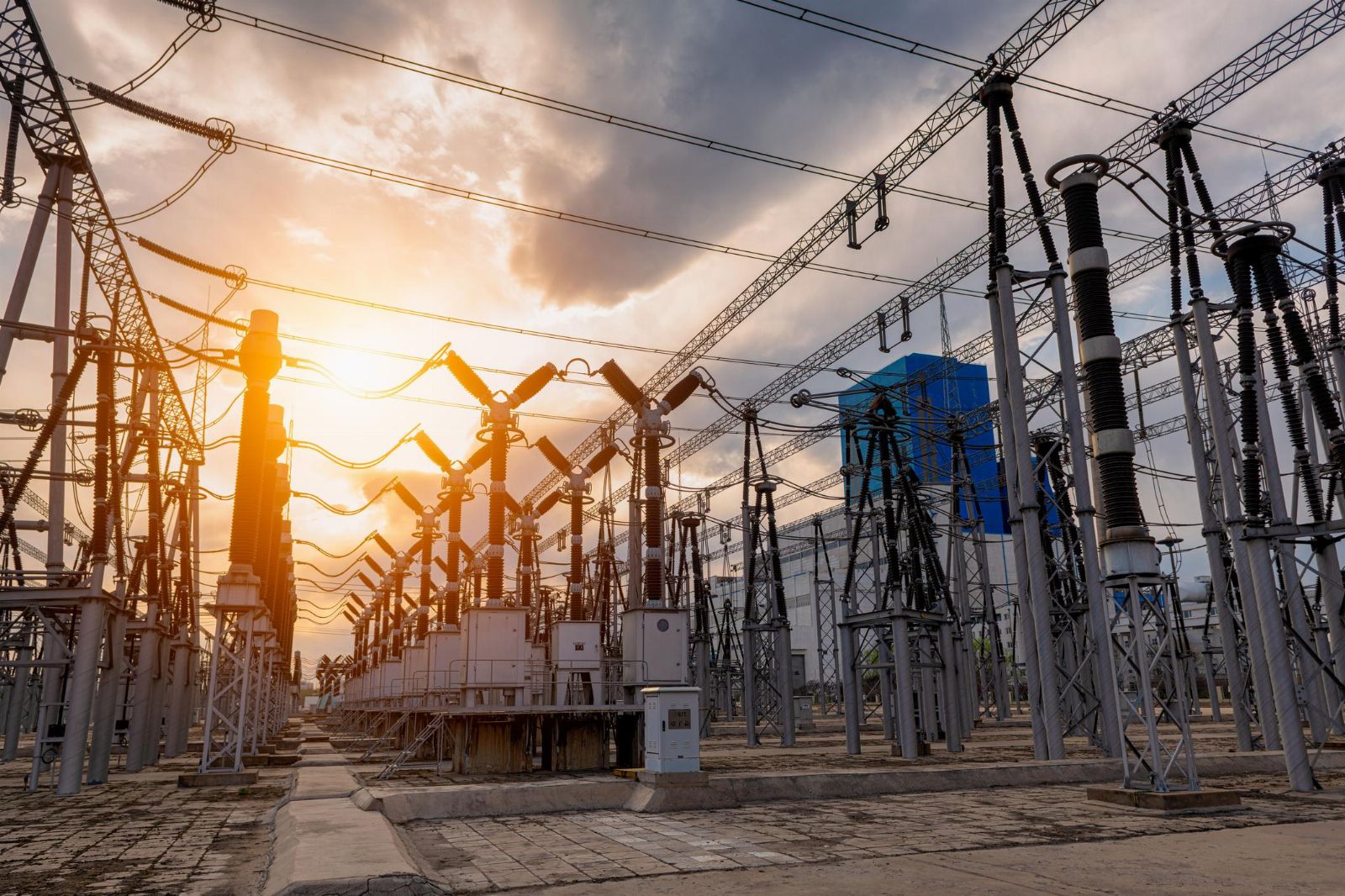
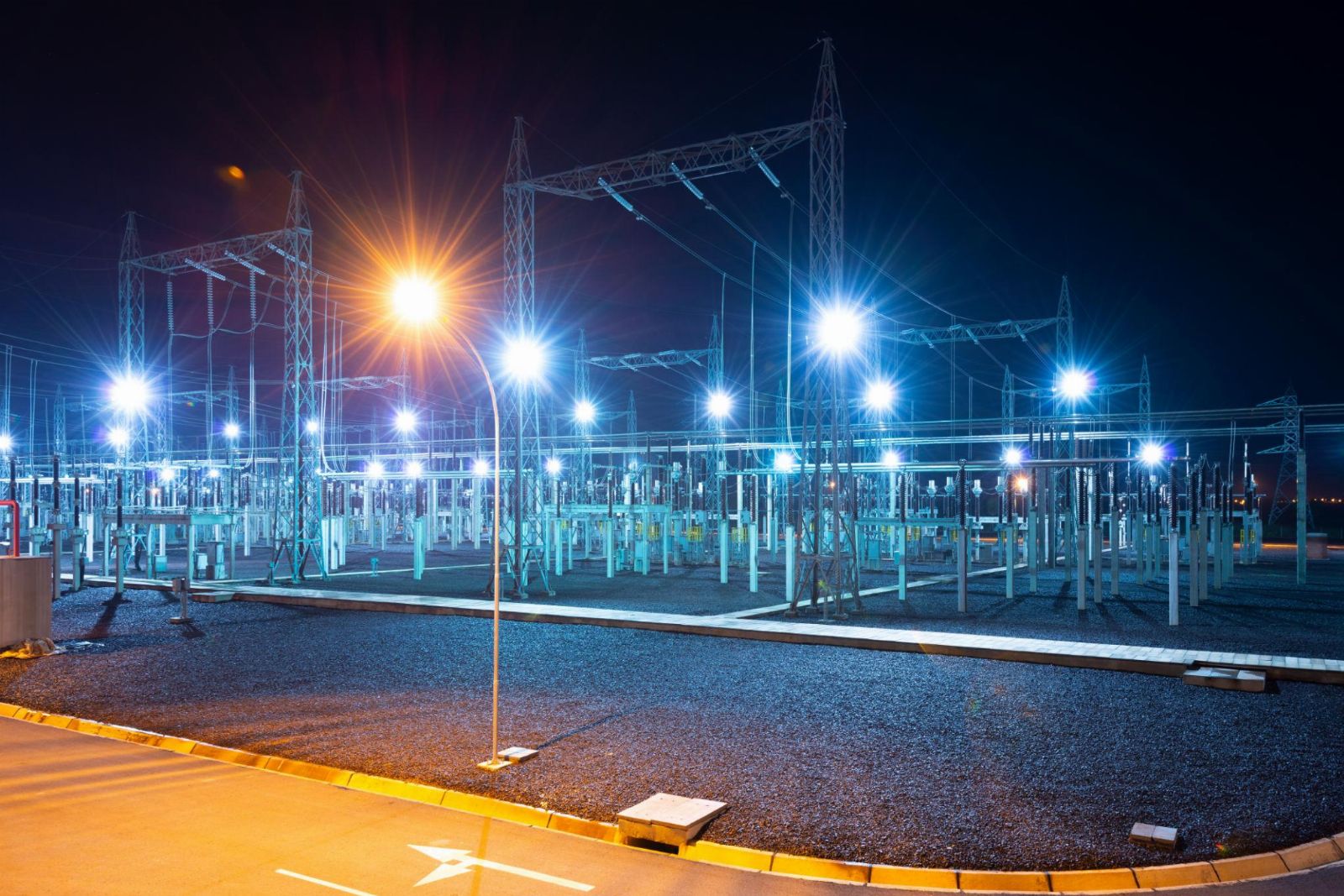
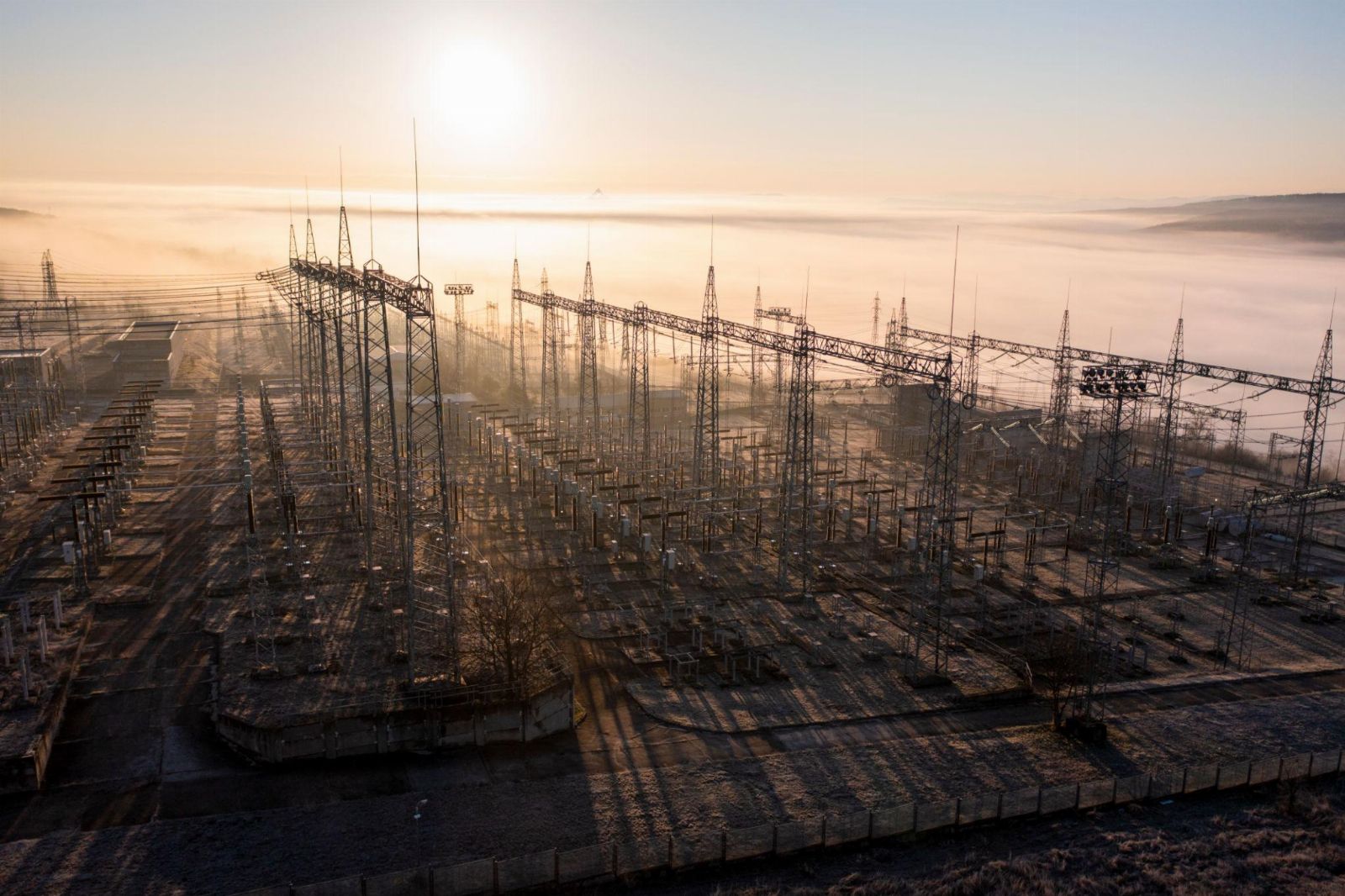
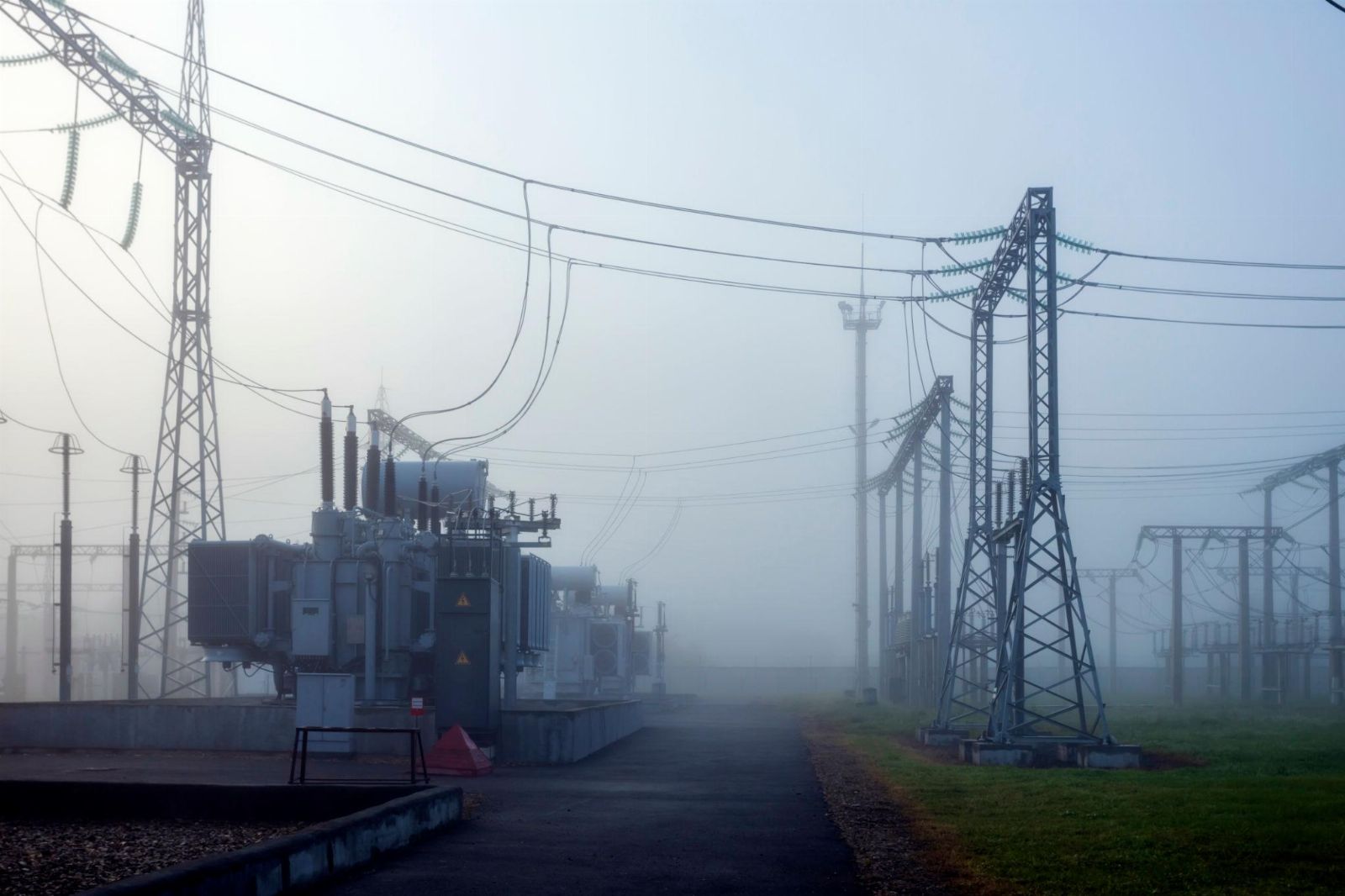
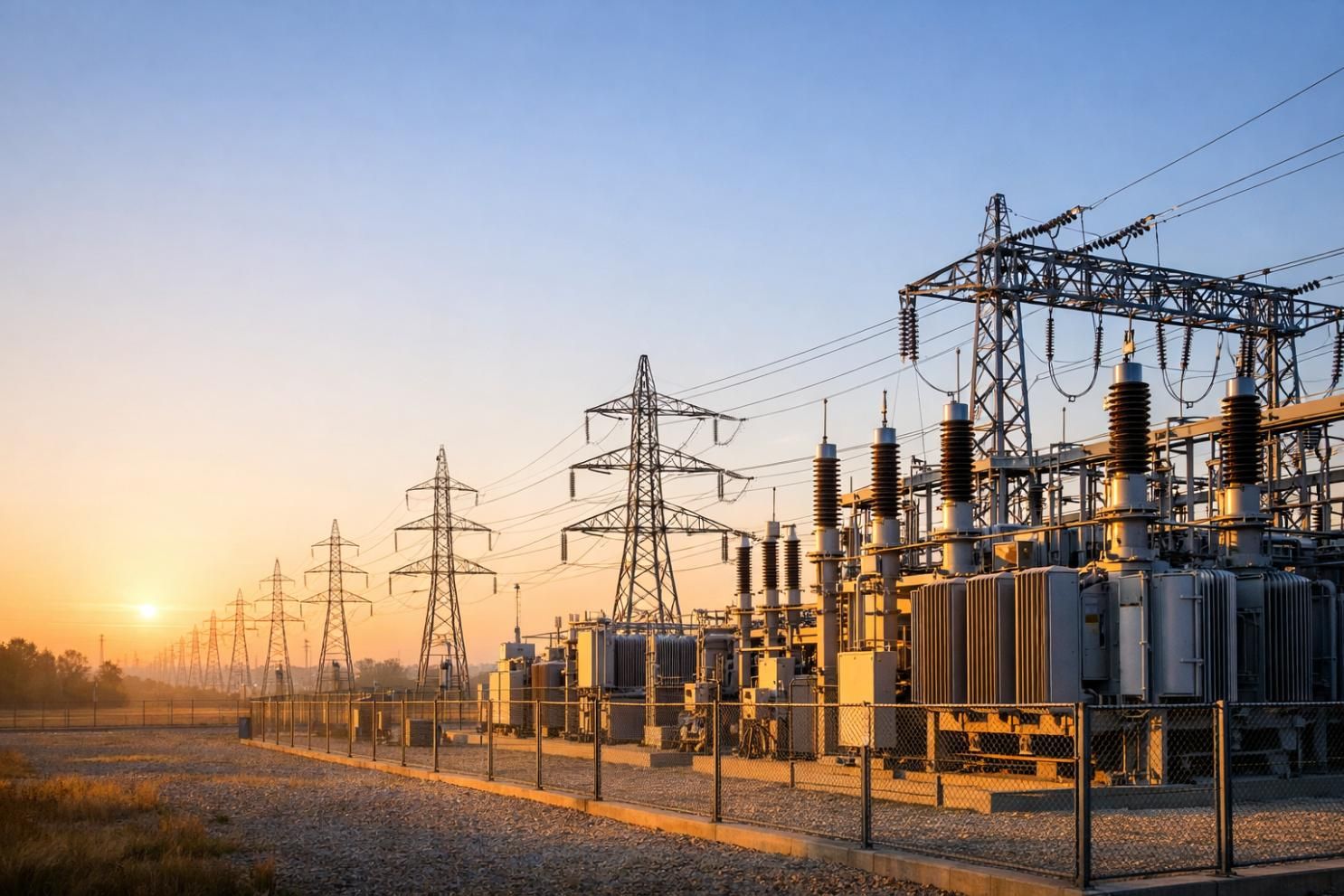
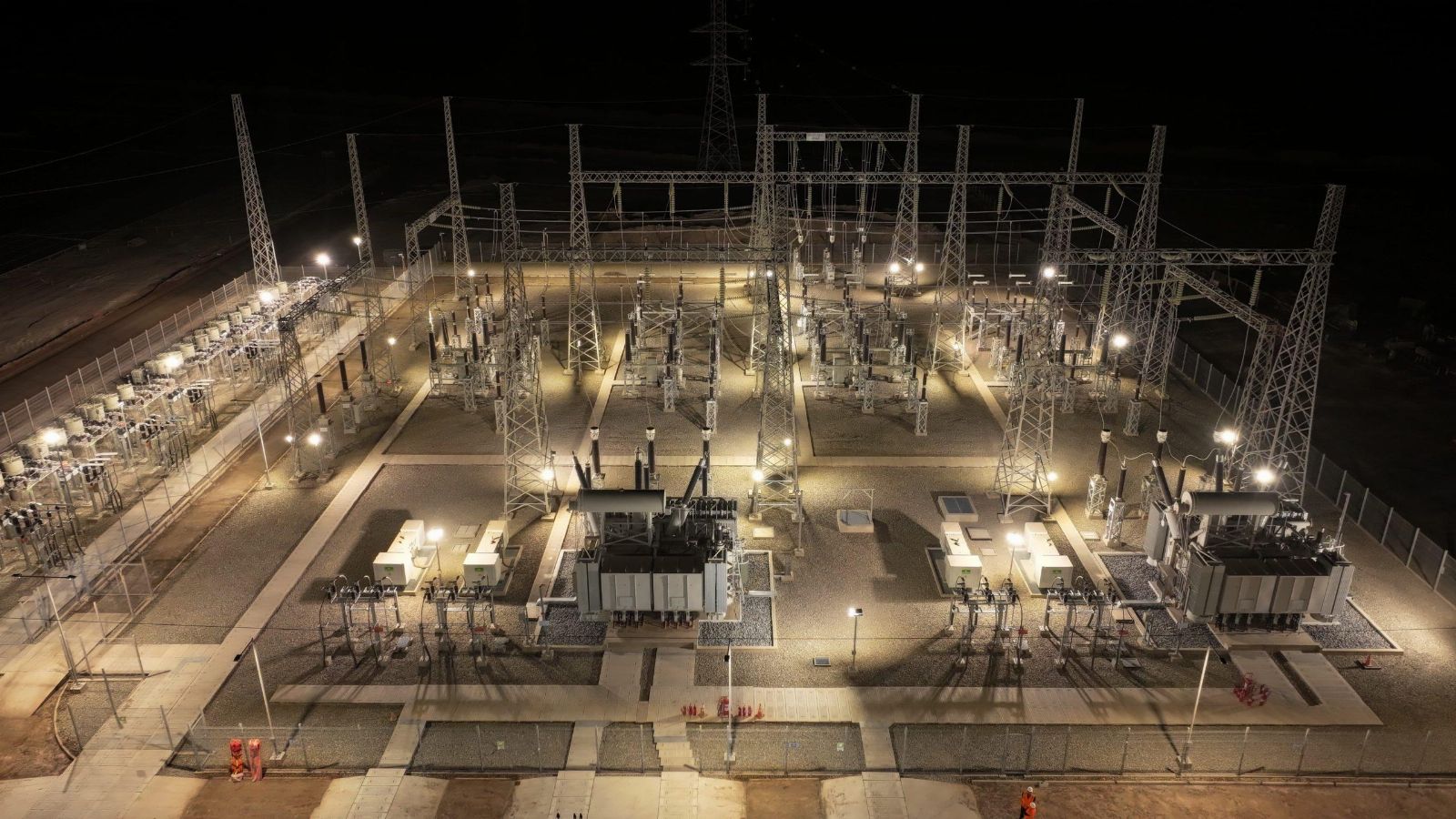
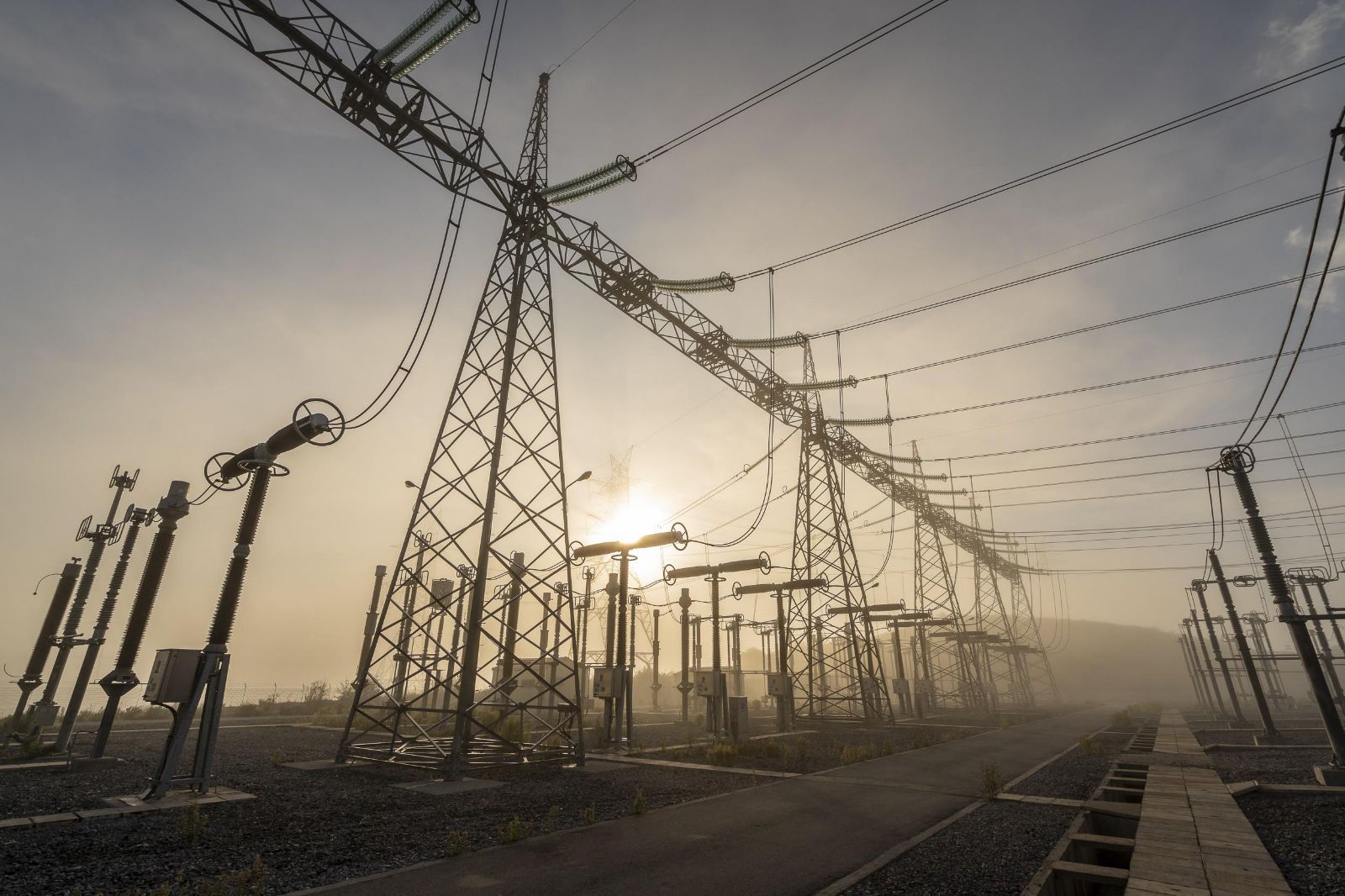
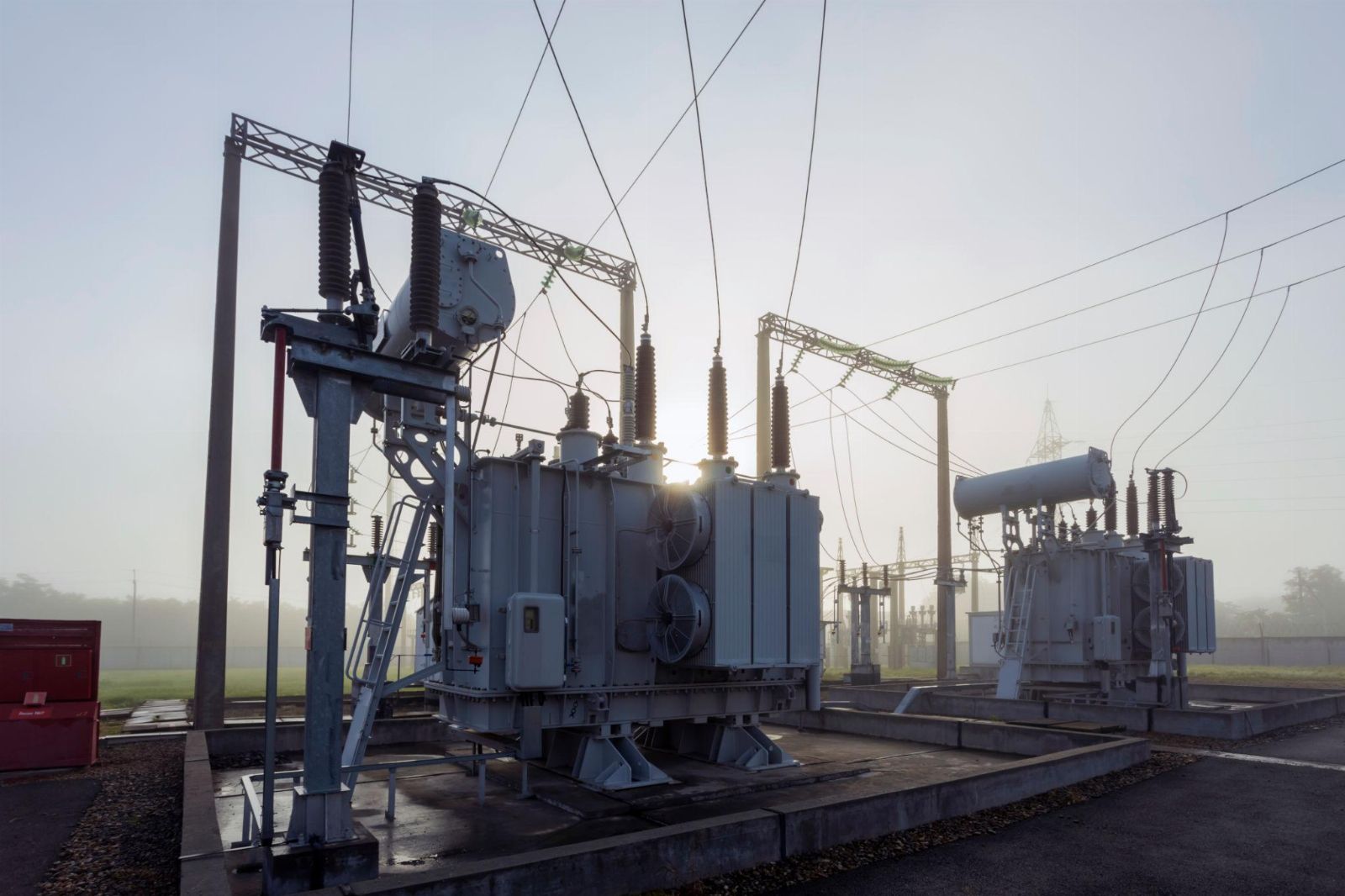
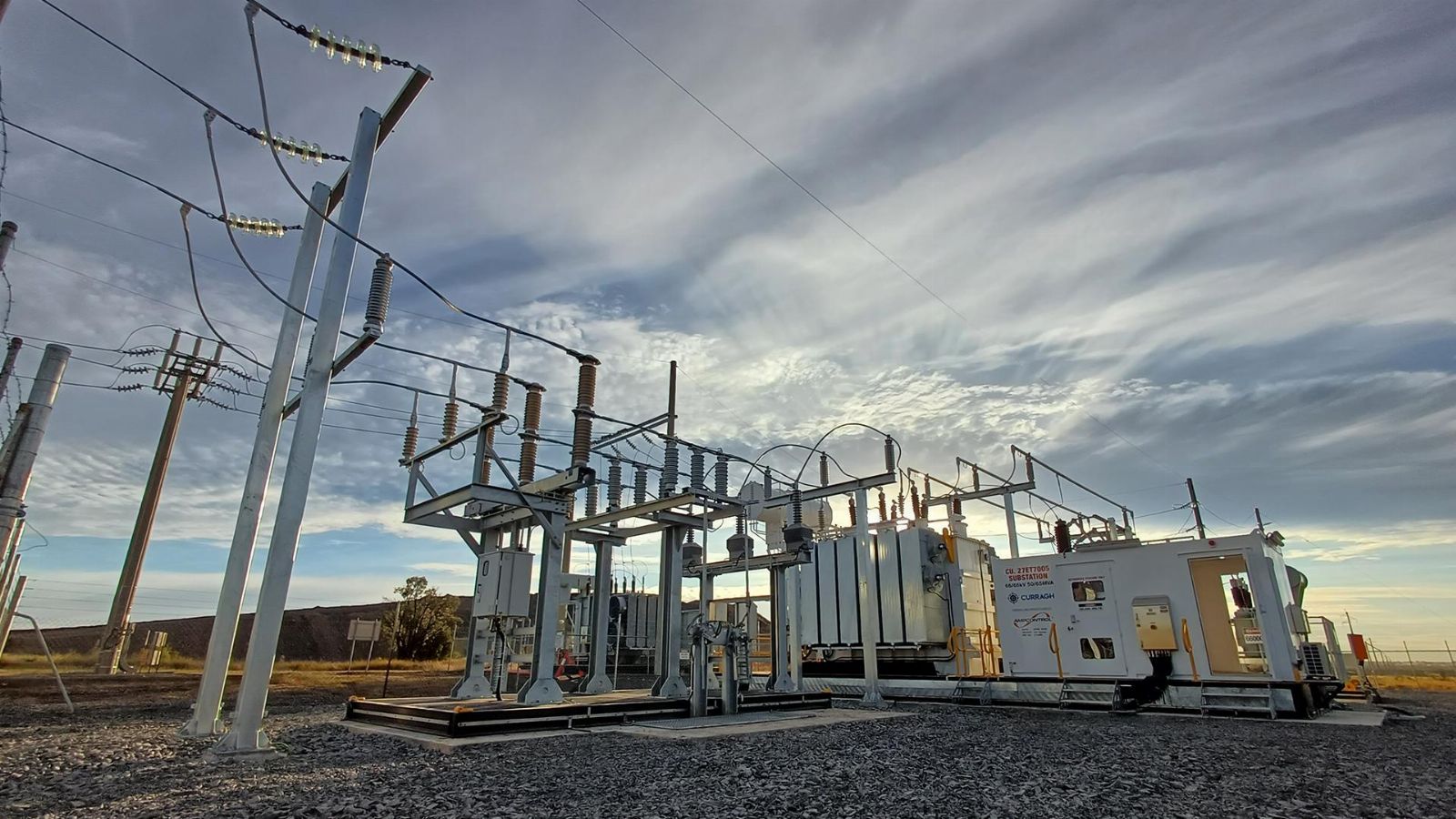
- We offer co-operation on replacement of old installed equipment on equipment at substations with new equipment produced at your factory. We have a large database of documentation for old, end-of-life equipment, and we will adapt your products to replace the old.

- Design of substation equipment in accordance with the technical specifications.

- Design documentation for the manufacture of electrical equipment.

- 3-D models, product drawings, BOM.

- Preparation of technical documentation for participation in tenders.

- Preparation of preliminary standards for material consumption for cost calculation..

- Consulting on projects.

..since August 1998

Proekt-Energo

Area of activity:

- Design of low-voltage, middle-voltage and high-voltage electrical equipment of substations for voltages of 0.4 - 220 kV.
- Development of working documentation in accordance with the technological capabilities of the plant.
- Preparation of preliminary technical documentation for participation in tenders for the supply of equipment.
- Consultations on project approvals.
- Supporting the production of equipment at the plant.

Specialization:

- Switchgear for indoor and outdoor installation for voltages of 6, 10, 20, 35 kV.
- Air-insulated secondary switchgears AIS for voltages 6, 10 kV.
- Complete transformer substations CTS for voltage 10 - 220 kV.
- Disconnectors for voltage 0.4 ... 220 kV.
- Drive to disconnectors.
- Replacement of withdrawable elements and switches in existing switchgear (Retrofit).
- Low-voltage switchgears for voltage 0.4 kV.
- DC 600V switchgears RU-600.

K-30 MV Switchgear – withdrawable unit replacement (retrofit)

Retrofitting the roll-out element (RE) of the K-30 series switchgear involves replacing the trolley with a switching device and main/secondary circuit interfaces with a modern solution while retaining the basic cabinet design: busbars, cable windows, busbar bridges, support insulators, mounting and connection areas. In practical operation of the K-30, the main limitation of reliability is most often the old-generation circuit breaker (oil/low-oil) and the roll-out/locking mechanism, which wear out faster than other components. Replacing the VE with a set with a vacuum (or SF6 — as required) switch allows you to remove “oil” regulations, increase the repeatability of switching characteristics, reduce downtime and technological risks during repairs.

Contents (section navigation)

What problems does the K-30 retrofit solve?

  • Replacement of the switch at the end of its service life: conversion of the connection to vacuum switching with a service life sufficient for intensive switching, without oil maintenance.
  • Reducing failure rates: elimination of typical causes of failure in old trolleys — unstable adjustment, wear of the contact assembly, “loosening” of rods and levers, degradation of locks.
  • Reduced repair time: installation of a ready-made assembly minimizes work in the high-voltage area of the cabinet and reduces dependence on the qualifications of the on-site team.
  • Preparation for secondary system modernization: secondary circuit organization (connectors, labeling, signaling logic), readiness for installation of modern relay protection and automation terminals and telemechanics.

Features of the K-30 withdrawable unit and compatibility zone

The K-30 switchgear is operated in various modifications and configurations, therefore, correct retrofitting is performed with reference to a specific cell. Within the framework of the project, “compatibility zones” are fixed — those nodes that must match in geometry and logic of operation without modifying the cabinet:

  • Power contact: position and travel of plug-in contacts, insertion/finishing depth, contact pressure, dielectric gaps, permissible heating in the contact unit area.
  • Movement mechanism: type of guides/rollers/slides, locking scheme in the “repair/test/operating” positions, elimination of misalignment during insertion, stability of the trolley during maintenance.
  • Curtain assembly: automatic closure of openings to live parts when rolling out the switchgear, correct operation of curtains without jamming or spontaneous opening.
  • Earthing switch interface (if provided by the cell design): interlocks and mechanical linkage “switch - trolley - earthing switch”.
  • Secondary interface: connection of secondary circuits via connectors/terminal strips, compliance with the logic of switching on/off, signaling, and interlocks.

It is these components that determine the complexity and reliability of the project. Therefore, a “catalog” solution, without examining a specific K-30, usually leads to increased risks (incomplete adjustment, increased transition resistance, false interlocks, problems with curtains and secondary connectors).

Scope of delivery and scope of work

A typical K-30 retrofit delivery is designed for maximum installation readiness:

  • roll-out element assembly: frame/trolley, vacuum (or SF6) circuit breaker, drive (spring-motor or electromagnetic), closing/locking mechanism, primary contacts with adapters, set of interlocks and limit switches;
  • secondary connection unit: compatible connector or set of adapter plates/counterparts marked according to the customer's diagram;
  • set of plates, warning signs, markings, and VE certification;
  • operational and installation documentation, inspection and test reports for the electrical equipment.

Work on site (according to the project) may include: replacement of the mating part of the secondary connector, relocation/adjustment of position sensors, restoration/replacement of curtain mechanism elements, adjustment of interlocks, adjustment of the front panel (without interfering with the tire compartment).

Technical data (typical)

ParameterValue for K-30 retrofitNote
Nominal voltage 6 kV / 10 kV Frequency 50 Hz
Maximum operating voltage 7.2 kV / 12 kV Depending on the selected circuit breaker
Rated current of main circuits 630 / 1000 A Final value based on thermal calculation and contact assembly design
Rated breaking current 20 / 25 kA Based on short-circuit current calculations and the required circuit breaker category
Thermal withstand current 20 / 25 kA (typ. 3 s) Main circuit parameter; for other requirements — according to the design
Electrodynamic withstand current (amplitude) up to 51 kA Determined by the circuit and design of the cabinet/busbar connections
VE positions repair / testing / operational With fixation control and operation locks
Switch drive spring-motor / electromagnetic Selection based on operational power supply and APV cycle requirements
Control circuit voltage 110/220 V AC/DC Other options — by agreement
Secondary interface connector/adapter plates according to customer's diagram With preservation of marking and signaling logic
Degree of protection/climate according to the original cell (typical indoor design) U1/UHL1 according to GOST 15150 — if necessary

What initial data is needed for binding

To ensure that the retrofit is truly compatible with a specific K-30, a package of initial data is created at the start. This helps to avoid “hidden” discrepancies in mechanics and secondary circuits:

Data groupWhat is requiredWhy is it needed
By cell photos/measurements of the VE compartment, type of guides and fasteners, curtain device, presence/type of grounding device Binding of the kinematics of roll-out, adjustment, curtains, and interlocks
By network Uн, Iн, calculated short-circuit currents, neutral mode, APV/UROV requirements Selection of circuit breaker by breaking capacity and control logic
By secondary circuits control/signaling diagrams, list of relay protection and automation, composition of telemechanics, connector type Correct connection without modifications to the relay compartment
By operation microclimate conditions (humidity/condensation), downtime restrictions, service requirements Selection of design, coatings, heating/sensors, and PNR volume

Secondary circuits: connection options without “re-wiring” the cabinet

Practice shows that half of the retrofit problems are not in the power section, but in the “secondary” section. The following connection options are used for K-30 (the choice depends on the condition of the relay compartment and customer requirements):

  1. Full compatibility with the existing connector — the type and pinout are retained, and the cable harnesses remain unchanged. The fastest option for input.
  2. Transition frame/strip — if the pinout does not match, an adapter is installed that preserves the marking and logic of the circuits. Minimal intervention in the cabinet.
  3. Replacement of the mating part of the connector — used when contacts are worn/burned or when upgrading circuits (adding control circuits, arc protection, telemechanics).

In each case, a circuit correspondence table (I/O matrix) is drawn up: “old terminal/contact — new terminal/contact” so that installation and PNR are reproducible and controllable.

Interlocks, curtains, and safe kinematics

The K-30 retrofit must guarantee the elimination of erroneous operations. Therefore, the design of the switchgear includes not only the functionality of the switch, but also the correct service mechanics:

  • prohibition of rolling out/rolling in when the switch is on (mechanical and/or electrical);
  • prohibition of switching on outside the “test/operating” positions with trolley locking control;
  • connection to the grounding device (if available): exclusion of conflicting positions “trolley in working position - grounding device turned on”;
  • correct operation of curtains: closing when exiting “test/operating” mode, no access to the openings of the plug-in unit;
  • Clear indication of positions, possibility of sealing and padlocking in accordance with operating regulations.

Inspections and acceptance: what is checked at the factory and on site

For K-30, it is important to “ground” quality to measurable parameters. Recommended list of control operations:

  • Mechanics: free movement, no misalignment, correct adjustment, position locking, operation of curtains and interlocks;
  • Main circuit: micro-ohmmetry of the contact node transition resistance before/after several roll-in cycles; heating control according to calculations (if necessary, thermal imaging control after input);
  • Secondary circuits: continuity/functional check of switching on/off, position alarms, interlock circuits, and disconnection from the relay protection and automation system;
  • Circuit breaker: checks according to the device's technical specifications (switch-on/switch-off time, control circuit power supply, drive status, readiness for automatic power supply).

The results are recorded in protocols and a settings sheet (limit switch positions, interlock parameters, connector pinout, list of changes made).

Options and extensions (RZA, arc protection, monitoring)

  • arc protection: optical sensors in compartments + current criterion according to the project;
  • PLC modernization: replacement of electromechanics with terminals, UROV, expansion of events and oscillograms;
  • status monitoring: operation counter, wear assessment based on tripping currents, control of operating circuit voltage;
  • integration into ACS/SCADA: Modbus/IEC 61850 (according to the project), remote signaling of positions and alarms.

Project economics and downtime reduction

For K-30, retrofitting a circuit breaker is usually economically justified when it is necessary to extend the service life of a switchgear without major reconstruction of the premises and without complete replacement of the switchgear. Key sources of effect: elimination of labor-intensive maintenance of oil-filled equipment, reduction of downtime for circuit breaker repairs, increased predictability of interlock operation, and reduction of work in the high-voltage zone. Serial replacement at the facility achieves standardization of spare parts, documentation, and regulations, which reduces operating costs for the entire cell fleet.

We offer you documentation for replacing the K-30 switchgear roll-out element (retrofit):

- Preliminary technical documentation for participation in tenders for the replacement of the K-30 switchgear roll-out element. We will prepare the necessary information for you to assess the possibility of manufacturing products in accordance with the requirements of the tender documentation and questionnaires. - Working drawings, 3-D models, and other necessary documentation for the manufacture of the KRU K-30 roll-out element at your enterprise. If you do not plan to manufacture the product components and parts yourself, we will help you outsource their manufacture to third-party enterprises. Your enterprise will be responsible for the final assembly and installation of the product. All documentation will be adjusted as necessary in accordance with the project requirements and the technological capabilities of your enterprise.
- If equipment from another manufacturer is installed at the substation, we will prepare documentation for the manufacture of similar equipment in addition to the installed equipment.

Advantages of working with us:

- You receive a set of design documentation and a methodology for linking the VE to a specific K-30 cell, which reduces risks during manufacturing and implementation. - Commissioning times are reduced: the bulk of the work is transferred to factory assembly and testing, with only installation and commissioning according to a proven algorithm remaining at the site. - Your specialists receive advice on critical areas: contact assembly, adjustment/fixing, curtains, interlocks, secondary connector, and verification measurements.

For more information on replacing the K-30 switchgear roll-out element (retrofit), please contact: inbox@proekt-energo.com

PDF - Download technical information on replacing the K-30 roll-out element

pdf

K-15 MV Switchgear – withdrawable unit replacement (retrofit)

RETROFIT of the KRU K-15 roll-out element is an engineering replacement of the most “loaded” unit of the 6–10 kV cell (trolleys with a switch and primary/secondary interface) without dismantling the cabinet, without rebuilding the busbar and without transferring cable connections. In practice, the K-15 retrofit solves three key operational problems: (1) the exhausted service life of oil/low-oil circuit breakers and the shortage of repair kits, (2) increased fire and operational safety requirements, (3) the need to reduce maintenance time and eliminate “oil” regulations. As a result, the customer receives a modern withdrawable element with a vacuum (or SF6, as specified) circuit breaker, updated interlocks, and coordinated secondary circuits while retaining the base part of the switchgear.

Contents

Purpose and scope of application

The solution is designed to replace the withdrawable element (WE) of the K-15 series switchgear with a new WE compatible with a specific modification of the cell in terms of mounting dimensions, withdrawal/retraction trajectory, curtain system, locks, and secondary connector. Application — 6 and 10 kV switchgear, 50 Hz: substations and power distribution points of power systems, industrial GPP/CRP, infrastructure (water utilities, transport, mining, processing), facilities with high downtime costs. Retrofitting is relevant both for scheduled replacement of circuit breakers based on their service life and for reliability improvement programs (reducing switching equipment failures, reducing switching times, improving the reproducibility of shutdown characteristics).

The upgraded VE ensures normal switching operations and operation with existing control/signaling/ RZA circuits. Upon agreement, “selective” modernization of secondary systems is provided for: replacement of circuit breaker control circuits, transfer/replacement of trolley position limit switches, installation of new intermediate relays, introduction of measuring transducers and telemechanics interfaces.

What is included in the K-15 retrofit

  • supply of a new roll-out element assembly (frame/trolley, switch, drive, roll-out/locking mechanism, primary plug-in contacts with adapters, curtain mechanism, interlocks);
  • coordination of secondary circuits: transition plates or mating part of the connector, connection according to the control, signaling, and relay protection and automation circuits diagram;
  • checking mechanical compatibility: guides, adjustment, locking in the “repair/test/operating” positions, access to manual controls;
  • work on site (according to the project): installation/relocation of position sensors, replacement of curtains/grounding device drives, modification of the front panel, marking, updating of plates;
  • set of operating materials: passport/RE for VE, installation and configuration instructions, test and measurement reports, connection diagrams.

Technical data (typical)

ParameterValue for K-15 retrofitNote
Nominal voltage 6 kV / 10 kV Frequency 50 Hz
Maximum operating voltage 7.2 kV / 12 kV Depending on the selected circuit breaker
Rated current of main circuits 2000 / 2500 / 3150 A Final — according to the design, with verification of the thermal regime and contact assembly
Rated breaking current 31.5 kA Selection based on short-circuit current calculation and network requirements
Thermal withstand current (3 s) 31.5 kA Typical time 3 s (other times possible on request)
Electrodynamic withstand current (amplitude) up to 51 / 81 kA Depends on the cell configuration and the selected contact system
Mechanical life of the switch Class M2 (typ.) In accordance with the passport of the selected device
Switching life Class E2 (typ.) For vacuum circuit breakers of the corresponding class
Trolley positions Repair / test / operating With movement and activation locks
Control circuit voltage 110/220 V AC/DC Control options and logic — according to the questionnaire
Degree of protection according to the original cell (typ. IP31 for indoor switchgear) For outdoor cabinets — according to the project
Climatic version U1 / UHL1 GOST 15150
Secondary interface Compatible connector/adapter plates Without “re-soldering” of existing harnesses — if possible
Additional functions Arc protection, voltage control, resource monitoring, telemechanics Integration into ACS/SCADA according to the project

Initial data from the customer and survey

K-15 comes in various factory and “transitional” versions, so retrofitting should be done correctly based on the survey results. At the pre-project stage, the following are recorded: cell type and condition (K-15 modification, year/manufacturer, if available), the layout of the power compartment, the design of the curtains, the type of fasteners and fixings, the design of the earthing device, the location of the TT/TN, the format of the secondary connector, and the actual diagrams. Additionally, network calculation data is required: rated currents, short-circuit currents, neutral mode, requirements for APV/UROV, and blocking logic.

The result of the survey is a technical solution with references: a list of mechanical interfaces, a secondary switching circuit diagram, a list of cell modifications (if required), equipment specifications, and an agreed questionnaire for the switch/drive/secondary circuits.

Layout, interfaces, and compatibility

The new withdrawable element for K-15 is designed according to the principle of “replacement without cabinet reconstruction”: the mating parts of the main circuits, cable entries, and access to serviceable areas are retained. Compatibility is achieved by the following solutions:

  • Primary contacts — plug-in node adapters with geometry specific to the K-15 cell; the required contact area and force during adjustment are ensured, misalignment and under-adjustment are eliminated;
  • Movement mechanism — coordination of guides, stops, locks, control of gaps along the roll-out trajectory, preservation of service access to manual controls;
  • Curtains — automatic closure of live parts when switching to “repair” mode, access blocking, restoration of normal curtain interaction logic with the trolley;
  • Secondary circuits — transitional solutions for existing connectors (or replacement of the mating part while retaining the marking), linking of switch-on/switch-off circuits, block contacts, signaling, and relay protection circuits;
  • Facade and indication — linking controls, inscriptions, and light signals to the layout familiar to personnel, updating plates and warning signs.

Special attention is paid to contact resistance, thermal conditions, and repeatability of adjustment: these parameters directly affect heating in the plug-in node area and the stability of the connection under prolonged load.

Locks and operational safety

When retrofitting the K-15, the task is not simply to “install a new switch,” but to ensure correct and unambiguous operation mechanics. A typical set of interlocks includes: prohibiting movement of the switch when the circuit breaker is closed; prohibiting the circuit breaker from being closed outside the “test/operating” position; interlocks between the circuit breaker and the earthing switch (depending on the cell diagram); blocking access to the compartment when the connection is turned on; fixing the positions of the trolley with visual indication. Safety enhancement elements are being implemented as required: voltage presence control, arc protection, emergency event logging, additional signaling of erroneous states.

Quality control, testing, PNR

To reduce the risk of “hidden” defects when replacing a roll-out element, it is advisable to formalize control at three levels: factory acceptance of the roll-out element, control at the facility before commissioning, and comprehensive checks as part of the cell.

  • At the factory: checking kinematics and interlocks, checking adjustments, checking the electrical diagram of secondary circuits, functional on/off tests, measuring the resistance of control circuits.
  • At the facility before applying voltage: measurement of insulation resistance, checking secondary circuits according to the diagram, checking interlocks and limit switches, measuring the transition resistance of the main contacts (micro-ohmmetry), checking phasing and marking. >As part of the connection: checking interaction with relay protection and automation (trip circuits, interlocks, automatic protection and automation according to the project), checking remote signaling/telemetry, checking the correctness of the “repair/test/operating” positions and the correct operation of the curtains.

If necessary, a test program and methodology are developed according to customer requirements (including extended checks of switch-on/switch-off times, control of coil and power supply parameters, and checking of emergency automation circuits).

Design variants and options

  • Switch: vacuum — basic solution for most connections; SF6 — upon project request or for fleet standardization.
  • Drive: spring-motor (with manual cocking and readiness indication) or electromagnetic — depending on the task and availability of operational power supply.
  • Secondary circuits: “careful” integration into the existing scheme or modernization (replacement of intermediate relays, introduction of shutdown circuit control, expansion of signaling).
  • RZA/ACS: implementation/replacement of terminals, arc protection (optics + current criterion), Modbus/IEC 61850 interfaces (according to the project), integration into the upper level.
  • Environment-specific design: anti-corrosion coatings, galvanization/stainless steel elements, anti-condensation heating, temperature/humidity sensors in compartments.

Comparison of typical modernization approaches

ApproachScope of workAdvantagesFeatures
Adaptation on standard trolley Replacement of the switch, connection of drives and locks, rewiring of secondary circuits Minimal capital costs, preservation of the “native” trolley More operations at the facility, higher requirements for adjustment and diagnostics
New complete EV assembly Delivery of trolley with switch, curtains, interlocks, and secondary interface Quick installation, repeatable parameters, minimal work in the switchgear room Higher cost, but shorter lead times and lower technological risks
Factory module (plug-in) Single readiness module with unified contacts and factory testing Shortest commissioning time and maximum reproducibility Highest initial cost, justified for serial replacements

Compliance with standards

The retrofit solution is developed taking into account the requirements for high-voltage equipment and switchgear. The project specifies the boundaries of responsibility (withdrawable element/circuit breaker/cell), as well as the list of applicable standards (specified for each facility):

  • IEC 62271-1 — general requirements for high-voltage apparatus and complete devices;
  • IEC 62271-100 — AC circuit breakers (service life, testing, switching capacity);
  • IEC 62271-102 — Disconnectors and earthing switches (mechanics, interlocks);
  • IEC 62271-200 — complete devices in metal enclosures 1–52 kV (LSC/IAC classification for new/upgraded solutions);
  • IEC TS 62271-304 — indoor operating conditions with condensation/contamination;
  • GOST 15150 — climatic versions and equipment placement categories.

Documentation package and cooperation

The standard package includes: working drawings and specifications, 3D models (STEP/Parasolid), secondary circuit diagrams, installation/configuration instructions, control cards, and test reports. Documentation can be provided both for in-house manufacturing (localization of parts and assemblies) and for the purchase of a ready-made roll-out element. For serial projects on K-15, cooperation is possible: delivery of design documentation with author's support, delivery of adaptation kits/assemblies, or turnkey work (survey, design, manufacturing, installation, commissioning).

We offer you documentation for replacing the KRU K-15 roll-out element (retrofit):

- Preliminary technical documentation for participation in tenders for the replacement of the KRU K-15 roll-out element. We will prepare the necessary information for you to assess the possibility of manufacturing products in accordance with the requirements of the tender documentation and questionnaires. - Working drawings, 3-D models, and other necessary documentation for the manufacture of the KRU K-15 roll-out element at your enterprise. If you do not plan to manufacture the product components and parts yourself, we will help you outsource their manufacture to third-party enterprises. Your enterprise will perform the general assembly and installation of the product. - All documentation will be adjusted as necessary in accordance with the project requirements and the technological capabilities of your enterprise. - If equipment from another manufacturer is installed at the substation, we will prepare documentation for the manufacture of similar equipment in addition to the installed equipment.

Advantages of working with us:

- No need to maintain highly qualified engineering and technical personnel - you will receive a set of documentation for the manufactured product, which can be handled by an engineer with average qualifications.
- No need to manufacture prototypes - our experience allows us to launch serial production of roll-out elements in compliance with mechanical and electrical compatibility requirements. - Working with our documentation, your specialists will receive advice on the nuances of linking the roll-out element to a specific K-15 modification (plug-in contacts, fine-tuning, curtains, locks, secondary connectors).

For more information on replacing the K-15 switchgear roll-out element (retrofit), please contact: inbox@proekt-energo.com

PDF - Download technical information on replacing the K-15 roll-out element

pdf

K-10 (K-X) MV Switchgear – withdrawable unit replacement (retrofit)

RETROFIT is the modernization or partial re-equipment of complete switchgear (KRU) and single-sided service chambers (CSO) with the replacement of obsolete equipment with modern equipment. For 6–10 kV switchgear of the K-10 series, the greatest practical effect is usually achieved by replacing the withdrawable element with an obsolete oil/low-oil circuit breaker (standard devices of the VMP/VMPE family and analogues) with a new withdrawable element with a vacuum (or SF6) circuit breaker and a modern drive. Unlike oil-filled devices, vacuum circuit breakers do not require oil maintenance, have a high mechanical and switching capacity, ensure stable shutdown parameters, and simplify routine maintenance. At the same time, if necessary, locking mechanisms, curtain devices, earthing switch drives, secondary circuits, mating parts of connectors, and door panels are also updated if necessary. Retrofitting allows you to keep the cabinet, busbars, busbar bridges, foundations, cable entries, and mounting locations, significantly reducing the budget and downtime without compromising reliability.

Purpose and scope of application

The proposed solution is designed to replace the withdrawable unit (WU) of the K-10 series switchgear with a new withdrawable unit that is compatible in terms of dimensions and connection sizes with the existing cell. The retrofit is applicable for 6 and 10 kV distribution devices with an industrial frequency of 50 Hz at substations and power distribution points of power systems, at industrial and infrastructure facilities, in the oil and gas and mining sectors, at housing and communal services facilities, and in the agro-industrial complex. The typical reason for the project is the exhaustion of the circuit breaker's service life and/or increased operational risks (oil leaks, instability of shutdown parameters, shortage of spare parts, increased time for inspection and repairs), as well as the need to improve industrial safety and bring the equipment up to modern operating requirements.

The updated withdrawable unit with a modern circuit breaker ensures the performance of standard switching operations (connection/disconnection, automatic protection and control, interaction with relay protection and automation) in normal and emergency network modes, including short circuits and overloads. The design is intended for operation in networks with isolated or compensated neutral. Compatibility is ensured by power plug adapters that geometrically replicate the mating parts of a specific K-10 modification, as well as by matching the secondary interface (standard connector, transition plates, or replacement of the mating part of the connector according to the project). If necessary, the modernization is supplemented by the introduction of arc protection, updating of TT/TN, installation of modern RZA terminals, circuit breaker life counters, and remote monitoring devices.

Technical data (typical)

ParameterValue for K-10 retrofitNote
Rated voltage 6 kV / 10 kV Frequency 50 Hz
Maximum operating voltage 7.2 kV / 12 kV Depending on the type of circuit breaker selected
Rated current of main circuits 630 / 1000 / 1600 / 2000 Checking the thermal regime and contact assembly according to the design
Rated tripping current 20 / 25 / 31.5 kA Depending on the circuit breaker size and short-circuit calculations
Thermal withstand current (3 s) 20 / 25 / 31.5 kA Operating time — typ. 3 s (main circuits)
Electrodynamic withstand current (amplitude) up to 51 kA Determined by the circuit and design of the cabinet/contact system
Switch life class M2/E2 For vacuum switches of the corresponding class
Degree of protection IP31 (standard indoor design); higher — according to the project Depends on the source cell and site requirements
Climatic design U1 / UHL1 GOST 15150
Control circuit voltage 110/220 V AC/DC Other options — by agreement
Dimensions of the power unit (approximate) Compatible with K-10 (in terms of dimensions and modifications) No changes to mounting locations
Secondary circuit interface Compatible connector/adapter plates Performed according to existing diagrams and questionnaire
Trolley positions repair / testing / working Movement and activation locks
Additional options Arc protection, sensors, resource counters, remote monitoring Integration into ACS/SCADA

Operating conditions

The retrofit kit is designed for use in switchgear rooms and/or outdoor cabinets (if available in the appropriate version) that meet the requirements of current standards. Climatic versions — U1/UHL1 according to GOST 15150 (or equivalent according to the project), the temperature range and humidity requirements are determined by the initial cell and site conditions; in case of high humidity/condensation, anti-condensation measures (heaters, ventilation, drainage, microclimate control) are provided . Permissible installation height — up to 1000 m above sea level without derating; at higher altitudes, additional calculations of electrical strength and thermal conditions are performed. The degree of protection of the enclosure and the design of the pressure relief doors/valves are determined by the design of the K-10 cabinet and are agreed upon at the survey stage.

Seismic resistance, vibration resistance, fire resistance of cable entries, and contamination/condensation categories are selected based on the data of the K-10 base cell and project requirements. For outdoor cabinets, the following are additionally specified: thermal insulation, heating and ventilation, UV resistance of coatings, corrosion protection of metal structures and fasteners, types of cable glands and cable seals.

Layout and design solutions

The basic layout of the new roll-out element for K-10 retains the logic of the original cell: trolley (frame) with switch, primary plug-in contacts, roll-out/roll-in mechanism along guides, set of mechanical and electrical interlocks, curtain mechanism, mating part of secondary connector, and controls on the front panel. The design uses:

  • a modern vacuum (or SF6, depending on the design) switch with a spring or electromagnetic drive, with a service life sufficient for intensive operation;
  • power contact adapters that ensure geometric compatibility with busbar and cable mating parts of a specific K-10 modification without reworking the busbar;
  • a universal secondary connector (or a set of adapter plates) for connecting existing control, signaling, and relay protection and automation circuits;
  • connection earthing mechanism (if provided for by the cell design) with drive, locks, and position indication;
  • curtain devices that automatically close plug-in contacts when the trolley is rolled out, and mechanical door locks;
  • a set of plates, pictograms, inspection windows, and inter-section/inter-compartment locking devices (as designed).

For the K-10 fleet, it is usually advisable to consider three levels of modernization (in terms of labor intensity and implementation time):

  1. Adaptation kit for existing VE — replacement of the switch and adaptation of interlocks/secondary circuits on the standard trolley. Minimum cost, but higher labor intensity and duration of work, requires precise adjustment of the geometry of the plug-in unit and drives.
  2. Complete replacement of the roll-out element — delivery of a new VE assembly, fully compatible in terms of mounting locations, dimensions, and interlock logic. The fastest commissioning; the original retractable element can be left as a spare (in agreement with the operating department).
  3. Modular plug-in unit (factory retrofit module) — a single ready-to-use module with built-in curtains, interface frame, unified contact and locking system. Minimization of installation risks, ease of maintenance, and repeatability of parameters; higher cost, justified for serial replacement.

The optimal option is selected based on the results of the RU survey and analysis of the source documentation. For K-10, differences in the design of the adjustment mechanisms, the location of the locking elements, the types of secondary connectors, and the cable compartment layout options are critical — therefore, the project must be based on photographs, measurements, short-circuit parameters, and actual secondary circuit diagrams. If necessary, the front panel is modified, the mating parts of the secondary connector are installed/replaced, the limit switches and indicators are relocated, and the curtain mechanism and drive elements are replaced.

Safety

The retrofit concept maintains or improves the level of operational safety compared to the original K-10 configuration. Mechanical and electrical interlocks are implemented to prevent erroneous operations (prohibition of moving the switch when the switch is on, prohibition of switching on when the trolley is not in the working position, interlocks “switch - earthing switch”, locking of the compartment door when the connection is on). Fixed “repair/test/operating” positions, main device position indicators, the possibility of sealing and installing padlocks are provided. Depending on the project requirements, arc protection (optical sensors/current criteria), voltage control, event logging, and remote access interfaces are implemented.

For increased personal safety requirements, solutions can be designed taking into account the principles of internal arc resistance (IAC) and LSC categories for continuity of service. For existing K-10 cabinets, the actual achievability of IAC/LSC is determined by the design of the enclosure, the presence/type of pressure relief valves, and the strength of the doors; during retrofitting, additional guide channels and reinforced elements may be installed (based on the results of calculations and tests).

Manufacturing options and options

  • Switches: vacuum switches from industrial manufacturers (rated at 6/10 kV; currents 630–3150 A; breaking capacity 20–40 kA); alternatively, SF6 switches of a specified type.
  • Drives: spring-motor (with emergency manual cocking) or electromagnetic; manual/motor drive for trolley adjustment — depending on design; local and remote control.
  • Secondary circuits: secondary connector compatible with the original diagram; adapters for existing harnesses; modernization of APV/AVR diagrams, remote signaling, and local indication.
  • RZA and service: protection and automation terminals (MTZ, ZZ, directional stages, UROV), arc protection, recorders, integration according to IEC 61850/Modbus (according to the project).
  • Materials and execution: galvanized/stainless steel elements, powder coatings, anti-condensation heaters, temperature/humidity sensors.
  • Documentation: 3D models, design documentation, specifications, installation/configuration/operation instructions, test reports, test methodology programs.

Comparison of typical retrofit approaches

ApproachScope of workAdvantagesFeatures
Standard motor adaptation kit Replacement of switch, modification of interlocks, adaptation of secondary circuits Minimum price, preservation of trolley Precise adjustment, more time for commissioning
New complete VE assembly Delivery of trolley with switch, curtains, connector, and locks Quick installation, minimal assembly, old VE can be kept as a spare Higher cost than the adaptation kit
Plug-in module (factory module) Single standby unit with interface frame and standardized contacts Short lead times, improved insulation distances, factory testing Highest initial cost, but low risks and lead times

Compliance with standards

The retrofit solution is designed in compliance with current requirements for high-voltage switching equipment and complete devices. The project specifies target standards and boundaries of responsibility (device/substation/cell). When selecting a circuit breaker and accessories, the provisions of the following documents are taken into account (the list is specified for a specific facility):

  • IEC 62271-1 — general requirements for high-voltage AC apparatus and complete units;
  • IEC 62271-100 — AC circuit breakers (resource classes, switching capacity, tests);
  • IEC 62271-102 — Disconnectors and earthing switches (mechanical and interlocking requirements);
  • IEC 62271-200 — 1–52 kV metal-clad switchgear assemblies (LSC/IAC classification for new/upgraded switchgear);
  • IEC TS 62271-304 — classification of indoor operating conditions with condensation/contamination;
  • GOST 15150 — climatic versions and equipment placement categories.

Attracting partners and contractors

We are open to cooperation with electrical equipment manufacturers, machine-building enterprises, and engineering companies for the serial production of roll-out elements for K-10. Possible formats: supply of a complete set of electrical equipment according to the customer's specifications, supply of components and “semi-finished products” (frames, adapters, facade sheets, curtain mechanisms, a set of locks), transfer of a set of design documentation with author's supervision of the launch into production, as well as “turn-key” — inspection, design, manufacture, installation, PNR, and commissioning at the facility. For integrators and service companies, it is interesting to enter the market for servicing the installed K-10 fleet with unified selection technology and repeatable VE design.

Documentation offered

The standard package includes: a set of working drawings (DWG/DXF), specifications, operating documentation, 3D models (STEP/Parasolid), facade panel layouts, assembly diagrams and incoming inspection cards, transportation/storage/installation/commissioning instructions, type and acceptance test reports. The documentation is adjusted to the project requirements and technological capabilities of your production (metal thickness, available coatings, fastener nomenclature, etc.). Upon agreement, source files for AutoCAD/SolidWorks/Compass-3D are provided for quick integration into PLM.

We offer you documentation for replacing the roll-out element of the K-10 switchgear (retrofit):

- Preliminary technical documentation for participation in tenders for the replacement of the KRU K-10 roll-out element. We will prepare the necessary information for you to assess the possibility of manufacturing products in accordance with the requirements of the tender documentation and questionnaires. - Working drawings, 3-D models, and other necessary documentation for manufacturing the KRU K-10 roll-out element at your enterprise. If you do not plan to manufacture the product's components and parts yourself, we will help you outsource their manufacture to third-party enterprises. Your enterprise will perform the general assembly and installation of the product. All documentation will be adjusted as necessary in accordance with the project requirements and the technological capabilities of your enterprise. If equipment from another manufacturer is installed at the substation, we will prepare documentation for the manufacture of similar equipment in addition to the installed equipment.

Advantages of working with us:

- No need to maintain highly qualified engineering and technical personnel - you receive a set of documentation for the manufactured product, which can be handled by an engineer with average qualifications.
- No need to manufacture prototypes - our experience allows us to successfully launch serial production of the product.
- Working with our documentation, your specialists will receive advice on all the nuances of replacing the KRU K-10 roll-out element.

For more information on replacing the KRU K-10 roll-out element (retrofit), please contact: inbox@proekt-energo.com

PDF - Download technical information on replacing the K-10 roll-out element

pdf

K-27 (K-XXVII) MV Switchgear – withdrawable unit replacement (retrofit)

Retrofitting the K-27 (K-XXVII) switchgear roll-out element involves modernizing the existing 6–10 kV switchgear by replacing obsolete and physically worn-out components with modern solutions (vacuum or SF6 -switches, adapted mechanisms, new interlocks) without interfering with the structural part and without replacing the cell housing. This approach allows you to quickly increase the reliability and safety of the switchgear, reduce operating costs, and minimize equipment downtime. As part of the retrofit, existing cable entries, busbars, foundation base, and most of the metal structures are retained, which is especially important for facilities with limited shutdown windows and high requirements for uninterrupted power supply.

Purpose and scope of application

The purpose of the modernization is to extend the service life of the K-27/K-XXVII cells and bring them up to modern requirements for operational reliability, electrical safety, and maintainability without completely replacing the switchgear. Replacing the roll-out element solves the following key tasks:

  • Ensuring the required switching capacity in 6/10 kV networks with isolated or compensated neutral by using vacuum circuit breakers with a switching capacity of up to tens of thousands of cycles, stable breaking capacity, and increased resistance to contamination.
  • Reducing operational risks and costs by eliminating oil management, reducing routine maintenance, standardizing spare parts, and using sealed-for-life arc chambers.
  • Improved personnel safety through the introduction of modern interlocks, curtain mechanisms, voltage indicators, as well as the option to bring the design up to the required LSC/PM/PI categories and measures to limit the consequences of internal arcing.
  • Unification of the switchgear fleet - transition to standard series of devices (6/10 kV vacuum with spring-motor or electromagnetic drive) with wide market representation and affordable service support.
  • Minimization of technological equipment downtime - the retrofit is designed to fit K-27 mounting locations and is compatible with the geometry of the guide and contact systems, which allows for replacement in short technological windows and in stages.

Areas of application: substations of power systems and power plants, distribution points of large industrial enterprises (metallurgy, chemistry, oil and gas, mining, cement and construction industries), transport facilities (metro, railway substations), data centers, commercial real estate, and housing and communal services. Retrofit can be used wherever K-27/K-XXVII series cells and their modifications are used, as well as panels from other manufacturers that are compatible in terms of connection dimensions.

Technical data (typical ranges for K-27)

ParameterValue/rangeComments
Nominal voltage, kV 6; 10 Maximum operating voltage 7.2/12 kV
Nominal current of main circuits, A 2000; 2500; 3150 Depending on the circuit breaker and busbars
Rated current of busbars, A 2000; 2500; 3150 According to the switchgear design
Thermal withstand current, kA/3 s 20; 25; 31.5 According to IEC 62271-100/-200
Electrodynamic withstand current, kA (peak) 51; 64; 81 Depends on the design of the current-carrying parts
Switch type Vacuum (preferable) / SF6 Spring-motor/electromagnetic drive
Curtain mechanism Metal/insulating partitions Class PM or PI (as designed)
Earthing switch Mechanical, manual/motor-driven Compliance with IEC 62271-102
Operating conditions U3 (indoor), -5…+40 °C / -25…+40 °C* *with heaters; altitude ≤1000 m
Degree of protection IP31…IP41 (typical) Depending on room and ventilation design
Auxiliary circuits, V AC 220; DC 110/220 Plug/terminal connections
Indication ON/OFF position, input/test, GROUNDED Optical voltage indicators
Documentation DWG/DXF, STEP/Parasolid, specifications Complete set for manufacturing/assembly

Operating conditions

The converted cells retain the climatic design of the original switchgear (as a rule, U3 according to GOST  15150) and are designed for operation in rooms at altitudes up to 1000 m above sea level. Typical temperature ranges: from -5 °C to +40 °C (without heaters) and from -25 °C to +40 °C (when heaters are installed in the relay compartment). Permissible relative humidity up to 95% at 25°C without condensation. For facilities located above 1000 m, as well as in conditions of increased dust, vibration, aerosols, and moisture condensation, special design solutions are offered: increasing leakage paths and air gaps, applying moisture-proof coatings to current-carrying parts, sealing entries, local heating and ventilation of compartments, using moisture absorbers, and organizing directed air exchange. The project provides for adjustments to insulation levels and relay settings, taking into account reduced atmospheric pressure and non-standard climatic factors.

From the point of view of electromagnetic compatibility and noise immunity, local conditions are taken into account: the presence of frequency drives, arc furnaces, and powerful starting currents. Based on the results of the survey, additional filters, ferrite elements, shielding of secondary switching circuits, as well as redundancy of operating current (AC/DC) power circuits using fail-safe logic and battery status diagnostics.

Layout and design solutions

The K-27 retrofit is carried out according to one of three basic scenarios, selected for the specific site conditions and shutdown dates:

  • 1) Replacement of the switch on the existing pull-out element. An adaptation kit is supplied (brackets, transition plates, drive shaft/coupling, rigid/flexible bus adapters) is supplied, mechanical locks are restored and checked, the secondary circuit plug connector is transferred/replaced, and the curtains and support rollers are inspected. Pros: minimal delivery cost and the possibility of phased commissioning; cons: dependence on the condition of the old trolley and guides, increased work time.
  • 2) Complete replacement of the roll-out element with a new one. A new roll-out element is supplied with a switch installed and pre-adjusted locks, geometrically compatible with standard guides, contact tulips, and limit switches. The old element can be preserved as a spare. Advantages: quick installation, consistent assembly quality, minimal modifications to the cell, possibility of fleet standardization.
  • 3) Factory-ready module (“OneFit” / “plug-in”). Includes trolley, switch, curtains, adjustment mechanisms (worm/lever), drives, terminal blocks, nameplates, and documentation. The module undergoes standard factory testing and has unified interfaces for K-27, which ensures predictable installation times, repeatable quality, and reduced commissioning work on site.

    The delivery includes vacuum circuit breakers from leading manufacturers (e.g., ZN63A/VS1, BB/TEL, BBR-10, Evolis, 3AH series, etc., as agreed with the project). The model selection is determined by the rated current and breaking capacity, the drive interface (spring-motor/electromagnetic), service life requirements, and operating conditions. If necessary, current/voltage transformers, arc current sensors, relay protection cabinet, microprocessor-based relay protection terminals, modernization of automatic transfer switch circuits, SSPTI/ASUTP, installation of voltage indicators, as well as retrofitting with optical signaling and programmable modular relays.

    Design improvements include: restoration or replacement of mechanical interlocks (prohibition of rolling out when the switch is on, prohibition of switching on when the element is extended, interdoor locks), adjustment of curtain mechanisms and their synchronization with the trolley movement, installation of guides and stops, revision of the contact system (tulips, knives), introduction of optical voltage indicators on connections, replacement of busbar entries if necessary. Marking is carried out in accordance with ESKD and current safety standards, secondary circuits are traced, and updated schematic documentation is provided.

    Safety

    The K-27 retrofit is aimed at increasing the level of protection for personnel and equipment. The following measures are being implemented:

    • Restoration and/or installation of new mechanical interlocks with interlocks (rollout only when the switch is off and the grounding device is on, key locks on drives and doors, “test/input” positions).
    • Curtain mechanisms (metal or insulating partitions) that prevent access to live parts when the roll-out element is removed, with PM or PI segregation class depending on the selected configuration.
    • Indication and diagnostics: visual position indicators (ON/OFF, input/test, EARTHED), optical indicators of voltage presence at connections, earth switch position control, contact connection overheating sensors as per design.
    • Measures to limit the consequences of internal arcing (optional): organization of gas exhaust channels, reinforcement of panels and doors, arc suppression guides in compartments, installation of fast-acting current/arc protection (including optical sensors), selection of accessibility category and IAC depending on site requirements.

    All solutions comply with the requirements of current standards and factory instructions. Upon agreement, the project achieves the objectives for Loss of Service Continuity (e.g., LSC2B) and partition class (PM/PI), as well as the target IAC parameters (A, AF, AFLR) within the design capabilities of a specific cell and room.

    Manufacturing options

    Retrofit kits are available in several versions, allowing for flexible adaptation to the specific features of the equipment fleet and budgets:

    • Basic - replacement of the switch with a mechanical adaptation kit and restoration of locks. Designed for cases where the condition of the trolley and guides is satisfactory and the repair time is limited.
    • Standard - delivery of a new roll-out element (trolley) with a switch, curtain assembly, and a set of secondary connectors installed. Recommended for standard cells without significant non-standard modifications made in previous years.
    • Extended - turnkey factory-ready module (trolley, switch, curtains, drives, terminal blocks, nameplates, factory protocols). Provides for a minimum amount of work on site and reduced commissioning times, suitable for mass replacement of several connections.
    • Special - for harsh operating conditions (aggressive environments, dust, vibrations, altitude > 1000 m, high humidity), with reinforced insulation, sealing, additional coatings and climate kits, as well as adaptation of relay protection and automation to the requirements of a specific technological process.

      Compliance with standards

      Retrofit solutions and documentation are geared towards compliance with current international and Russian standards, including (depending on the scope of work):

      1. IEC 62271-200 - AC metal-enclosed switchgear and controlgear 1–52 kV (LSC/PM/PI classification, requirements for compartments and internal arcing, current editions).
      2. IEC 62271-100 - High-voltage AC circuit-breakers (switching capacity, T100s/T100a modes, service life).
      3. IEC 62271-102 - Disconnectors and earthing switches (requirements for earthing switches and disconnectors).
      4. IEC 62271-1 - Common specifications for high-voltage switchgear and controlgear (operating conditions, insulation levels).
      5. GOST 15150/15543.1 - climatic design U3 for premises, placement category.
      6. GOST/IEC 60071-1/-2 - insulation coordination (according to the project).

      Economics, timing, and typical risks

      Practice shows that retrofitting K-27 is significantly cheaper than completely replacing switchgear and construction work: no dismantling of cable entries and busbars is required, dimensions and connections are retained, and downtime of technological equipment is reduced. Typical risks include hidden wear and tear of guides/curtains and contact systems, clogging of compartments, unauthorized modifications made in previous years, and errors in drawings. These risks are reduced by preliminary inspection (measurement, photo referencing), the manufacture of jigs and templates, bench testing at the factory, commissioning at the site, and quality control using checklists. For bulk deliveries, standard kits are used to speed up logistics and standardize spare parts.

      Comparison of retrofit options

      OptionTimeframeInterventionCostAdvantagesRisks
      Replacing the switch on the old element Longer Medium Low Minimum delivery Dependence on wear of trolley/guides
      New roll-out element Fast Low Medium Compatibility, repeatability, old one - in reserve Precise cell measurement required
      OneFit module Very fast Minimal Average/higher Type testing, pre-adjustment of locks Early project alignment required

      Attracting contractors and partners

      We invite electrical equipment manufacturers, machine-building and metalworking enterprises, RZA integrators, design and commissioning organizations, as well as investors interested in the production of retrofit kits for the K-27 cell park to cooperate with us. Various formats are possible: licensed assembly according to our documentation, cooperation in machining and painting, OEM partnership for circuit breakers, joint pilot projects at customer sites, localization of components, and subsequent certification. We provide support at all stages, from the selection of equipment and specifications to the organization of bench and acceptance tests.

      Documentation offered

      - Preliminary package for participation in tenders: scope of delivery, questionnaires, list of applicable standards, cable and connector schedules, single-line and structural diagrams.
      - Working drawings, specifications, 3D models (STEP/Parasolid), assembly instructions, electrical installation diagrams, secondary connection diagrams (DWG/DXF), list of tooling gauges and templates for assembly control. - Kit for manufacturing the roll-out element at your facility or outsourcing production: machining, bending, welding, painting, assembly, testing, packaging, and preservation. If necessary, selection of contractors for critical operations (powder coating, electroplating, insulating coatings).
      - Adaptation of the set of documents to the project requirements: dimensions of a specific cell, actual level of wear of guides and contacts, connectors and switch type used, requirements for relay protection and automation, automated control systems and telemechanics, local industrial safety standards and electrical installation regulations.

      Advantages of working with us

      - No need to maintain highly qualified engineering and technical personnel: You receive a complete set of documentation that a moderately qualified engineer can work with.
      - No need to produce prototypes: our experience and standardization of components allow you to start production immediately after approval and test assembly.
      - We advise on all aspects of replacing the K-27 (K-XXVII) switchgear roll-out element, including the selection of circuit breakers, contact adapters, secondary circuit connectors, relay protection and automation, and testing.
      - We assist with production cooperation (metal structures, painting, current-carrying parts, cable assemblies), supply templates, and train assemblers and adjusters. For serial deliveries, we provide safety stock of critical components.

      For more information on replacing the K-27 (K-XXVII) switchgear roll-out element (retrofit), please contact: inbox@proekt-energo.com

      PDF - Download technical information on replacing the K-27 (K-XXVII) switchgear roll-out element

      pdf


KRN-10 Complete outdoor switchgear assembly 6–10 kV

Purpose and scope of application

KRN-10 is a complete outdoor switchgear (cell) for operation in three-phase AC networks with a frequency of 50 Hz and a voltage of 6–10 kV. The device is designed for receiving, distributing, sectioning, and metering electrical energy, as well as for implementing relay protection and automation functions in medium-voltage overhead and cable lines.

KRN-10 cells are used in power supply and distribution substations of power systems, as part of KTP and block-modular substations 35/6–10, 110/6–10 kV, at industrial and mining enterprises, in oil and gas production, and at transport facilities (electric traction substations, metro substations, and urban electric transport substations). The design is specifically geared towards outdoor operation near 6–10 kV overhead lines, allowing the KRN-10 to be placed directly at power line supports or on a foundation in the area of technological sites. >Depending on the project, KRN-10 can perform the functions of an input, line, sectional, or metering cell. Based on a standard range of cells, distribution nodes of various configurations are formed: from a single input with one feeder to several interconnected cabinets with bus sectioning, automatic reserve input (AVR) and remote control. The design is intended for operation without permanent maintenance personnel, with periodic inspections and remote monitoring of line parameters.

Technical data

Nominal voltage, kV 6; 10
Maximum operating voltage, kV 7.2; 12
Nominal frequency, Hz 50
Nominal current of main circuits, A 400; 630; 1000; 1600
Nominal current of busbars, A 630; 1000; 1600
Rated breaking current of vacuum circuit breaker, kA 20; 31.5
Thermal withstand current (3 s), kA 20; 25; 31.5
Dynamic withstand current (1 s), kA 51
Nominal voltage of control and auxiliary circuits, V 110 / 220 (DC; AC)
Climatic design and placement category according to GOST 15150 U1 (on request – UHL1)
Degree of protection of the enclosure according to GOST 14254 IP34 on the front side; IP21 on the bottom side
Type of linear high-voltage connections overhead (through roof entries), cable
Insulation level according to GOST 1516.1 normal insulation for 6/10 kV
Availability of roll-out elements stationary design; on request – with roll-out trolley block
Service method One-sided service from the front, without a service corridor
Dimensions of a standard cell, mm
- width
- depth
- height

900
1200
2300
Cell weight, kg, max. up to 350 (depending on configuration)

Operating conditions

KRN-10 is designed for outdoor operation in climatic version U1 at ambient temperatures from –40 to +40°C (the range can be extended according to the project). The normal installation altitude is up to 1000 m above sea level; when installed in high-altitude areas, the insulation levels and cooling parameters are adjusted. The permissible relative humidity is up to 100% at a temperature of +25 °C without moisture condensation on live parts.

IP34 protection protects the devices from rain, snow, and water jets at an angle, as well as from the ingress of solid particles typical of industrial dust aerosols. The enclosure and doors are equipped with seals around the perimeter, and the roof is equipped with drip caps and visors. Anti-corrosion protection is provided by a multi-layer paint coating with a service life of at least 15 years in a moderately aggressive atmosphere.

For areas with cold climates, sharp temperature changes, and an increased risk of condensation, heating elements and anti-condensation ventilation are provided. Heaters are installed in the compartments of the vacuum circuit breaker, current and voltage transformers, as well as in the relay compartment, and are controlled by thermostats or controllers. The design is resistant to transport impacts, vibrations, and shock loads that occur when installed on a foundation or metal structures near power line supports. p>

Layout and design solutions

The KRN-10 cell is designed as a welded metal cabinet on a frame with the internal volume divided into several functional compartments. As a rule, the following are distinguished:

  • high-voltage switch compartment;
  • line disconnector and busbar compartment;
  • cable/air input compartment with surge arresters and current transformers;
  • relay compartment and secondary circuit compartment;
  • compartment for mechanical device drives.

Metal partitions are installed between the compartments, forming local volumes and increasing electrical safety. Access to the interior is provided through doors with bolt locks; if necessary, the doors can be equipped with viewing windows made of tempered glass or polycarbonate. Protective screens and mesh partitions are used for visual inspection of the condition of disconnectors and busbars, preventing contact with live parts.

Depending on the circuit, the KRN-10 is equipped with:

  • a 6–10 kV vacuum circuit breaker with a service life of at least 10,000 switching operations;
  • line and bus disconnectors with earthing blades;
  • phase and zero-sequence current transformers;
  • voltage transformers with fuses;
  • surge arresters (SAR) on the line and busbar side;
  • electricity metering equipment and measuring instruments.

Assembled busbars are made of aluminum or copper busbars of the required cross-section, which ensures long-term operation at rated currents up to 1600 A and withstands short-circuit currents up to 31.5 kA without compromising mechanical and thermal stability. Overhead lines are connected via bushing insulators on the cabinet roof, and cable lines are connected via cable entries at the bottom with clamps for single- or three-core cables.

Functionality and control

KRN-10 provides the implementation of the basic operating modes of overhead and cable lines: switching on/off, sectioning, power backup, automatic shutdown in case of short circuits and overloads, as well as selective protection in case of ground faults. KRN-10 cells are used to build radial and ring network diagrams, diagrams with dead-end substations, as well as distribution points operating in automated control systems.

The vacuum circuit breaker can be controlled locally (from the front panel) or remotely via DC circuits from relay protection and automation devices, process control systems, or SCADA systems. The front panel is equipped with controls, light indicators, measuring instruments, a mnemonic diagram, and device position control elements. For simple circuits, electromagnetic relays may be used, while for modern complexes, microprocessor terminals with functions for recording emergency events and communication via Modbus, IEC 60870-5-104, and IEC 61850 protocols (depending on the design) may be used.

Safety and interlocks

The design of the KRN-10 ensures a high level of safety for operating personnel through a combination of mechanical and electrical interlocks. The following are provided:

  • the grounding knife cannot be activated when the switch or disconnector is on;
  • the switch cannot be activated when the grounding knives are closed;
  • locking of high-voltage equipment compartment doors when the connection is turned on;
  • control of the “off/on/grounded” positions by limit switches;
  • the ability to install interlock locks under a single key system.

Relay protection provides current cut-off, MTZ, ground fault protection, overload and minimum voltage protection functions, and may also include APV and AVR. To increase the survivability of distribution networks, it is possible to implement sectioning logic and selective disconnection of damaged sections. According to the design, the KRN-10 cell can be equipped with light or current arc protection with sensors in the busbar and circuit breaker compartments.

Versions and options

  • KRN-10 input/line cells – with vacuum circuit breaker, current transformers, surge arresters, line and bus disconnectors, earthing knives, and metering equipment.
  • Sectional cells – with a switch or disconnector for dividing busbars into sections, organizing redundancy and automatic transfer switching.
  • Cells with voltage transformers – for powering metering and relay protection circuits, with fuses and busbar disconnectors.
  • Auxiliary cells – with a 6(10)/0.4 kV power transformer with a capacity of 25–63 kVA, protection, and low-voltage distribution equipment.
  • Climatic versions – heating kits, anti-condensation protection, reinforced seals, special coatings for marine or chemically active climates.
  • Automation and telemechanics – preparation for connection to SCADA systems, data transfer interfaces, time synchronization, integration into existing energy metering systems.

Typical configurations

  • KRN-10-BB – cell with vacuum circuit breaker: cable or air entry, line protection and metering.
  • KRN-10-S – sectional cell for busbar splitting and power backup.
  • KRN-10-TN – cell with voltage transformers for measurement and commercial metering.
  • KRN-10-TSN – 6(10)/0.4 kV auxiliary transformer cell.
  • Additional options – outgoing line cells, metering units, communication and telemechanics panels.

By combining these types of cells, outdoor switchgear of any complexity can be formed: from small units for powering a single consumer to node switchgear with multiple inputs, sectioning, and redundancy according to power system diagrams.

Compliance with standards

  • GOST 15150 – climatic design and placement categories (design U1 for outdoor installation).
  • GOST 14254 – degrees of protection by enclosures (IP code).
  • GOST 17516.1 – resistance to external mechanical influences.
  • GOST 1516.3 – requirements for the electrical strength of insulation of electrical equipment 1–750 kV.
  • PUE-7, Chapter 1.8 – standards for acceptance tests of switchgear.
  • IEC 62271-200 – complete AC distribution devices 1–52 kV (according to the project with a focus on international certification).

Proposed documentation

A complete set of design and operational documentation is being developed in accordance with KRN-10: single-line diagrams, primary and secondary connection diagrams, connection and harness diagrams, equipment and material specifications, lists of purchased items, test cards, and protocols. For production, working drawings of parts and assemblies, 3D models in STEP/Parasolid formats, and drawings in DWG/DXF formats are prepared for integration into the enterprise's CAD/CAM systems.

At the customer's request, source files for AutoCAD, Kompas-3D, SolidWorks, as well as files for automated marking of wires, terminals, and devices can be provided. All solutions are adapted to the specific project, the range of devices used, and the technological capabilities of production.

Advantages of working with us:

– No need to maintain highly qualified IT specialists – you receive a set of documentation for the KRN-10 cell, which can be used by an engineer with average qualifications.
– No need to manufacture prototypes – our accumulated experience allows us to immediately launch serial production of products.
– Working with our documentation, your specialists receive advice on the specifics of designing, assembling, and testing the KRN-10, as well as support during the implementation stages.

For more information on the KRN-10, please contact: inbox@proekt-energo.com

... and, as we know, a mistake made during product design results in 10 times the cost during manufacturing and 100 times the cost during operation...

PDF – Download technical information on KRN-10

pdf

  • Operating manual for equipment

    Operating manual for equipment

  • Technical specifications

    Technical specifications

  • Regulatory and technical documentation

    Regulatory and technical documentation

  • Operating manual for equipment

    Operating manual for equipment

  • Equipment drawings

    Equipment drawings

  • Technical specifications

    Technical specifications

  • Regulatory and technical documentation

    Regulatory and technical documentation

  • Equipment drawings

    Equipment drawings

  • Equipment drawings

    Equipment drawings

  • 3-D models

    3-D models

  • Regulatory and technical documentation

    Regulatory and technical documentation

  • Technical specifications

    Technical specifications

  • Operating manual for equipment

    Operating manual for equipment

  • 3-D models

    3-D models

  • 3-D models

    3-D models

Demo

FEEDBACK FORM