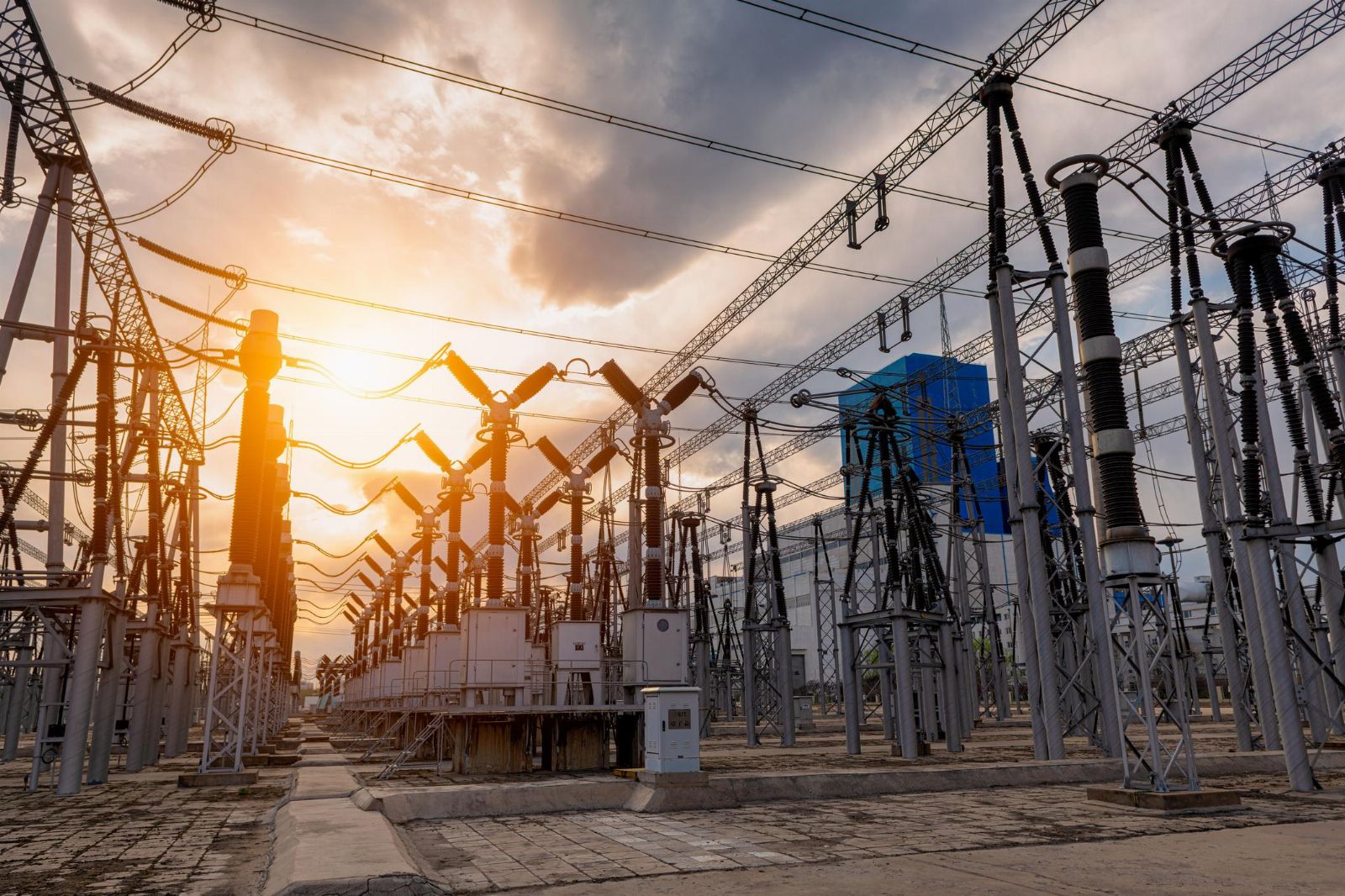
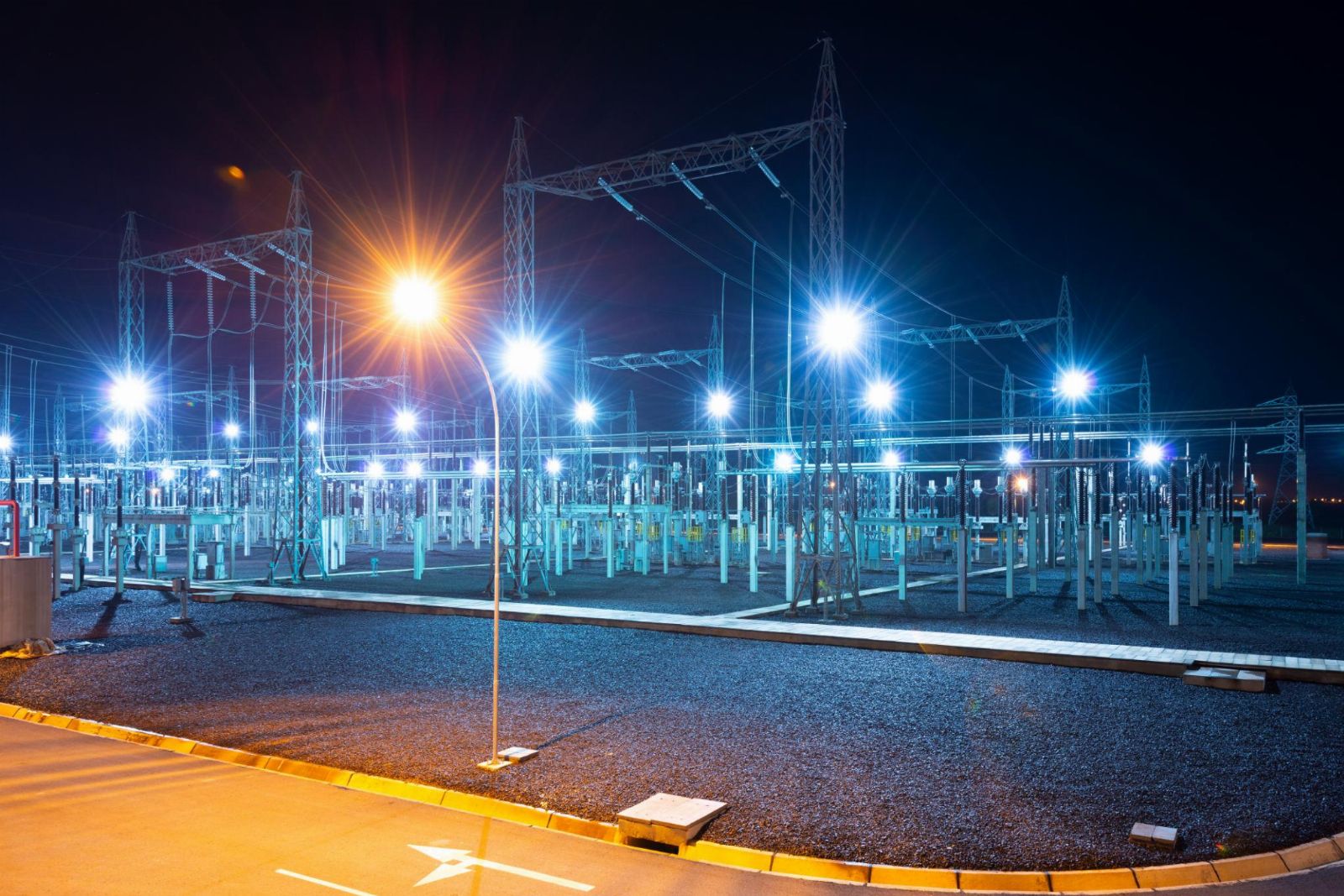
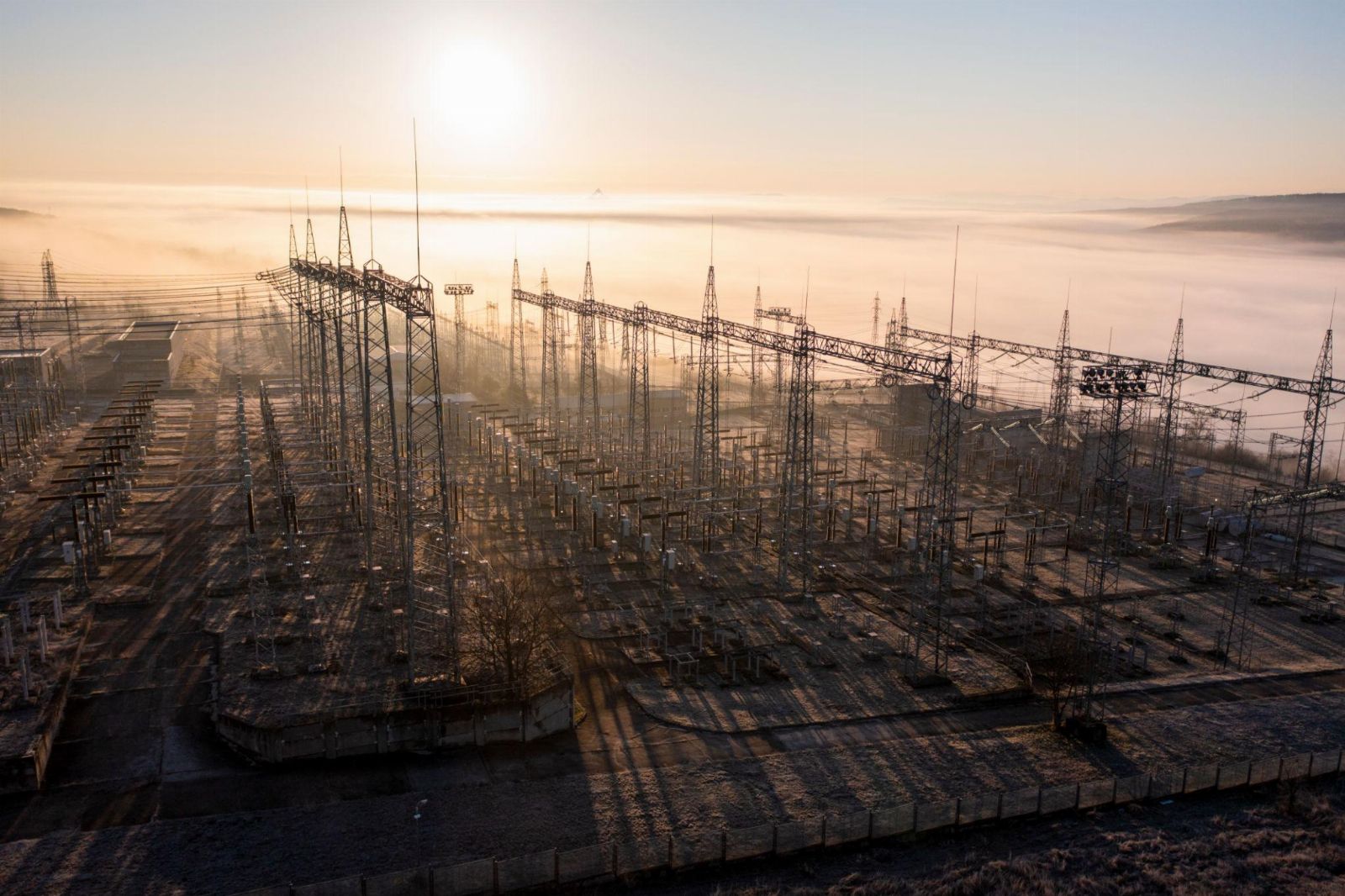
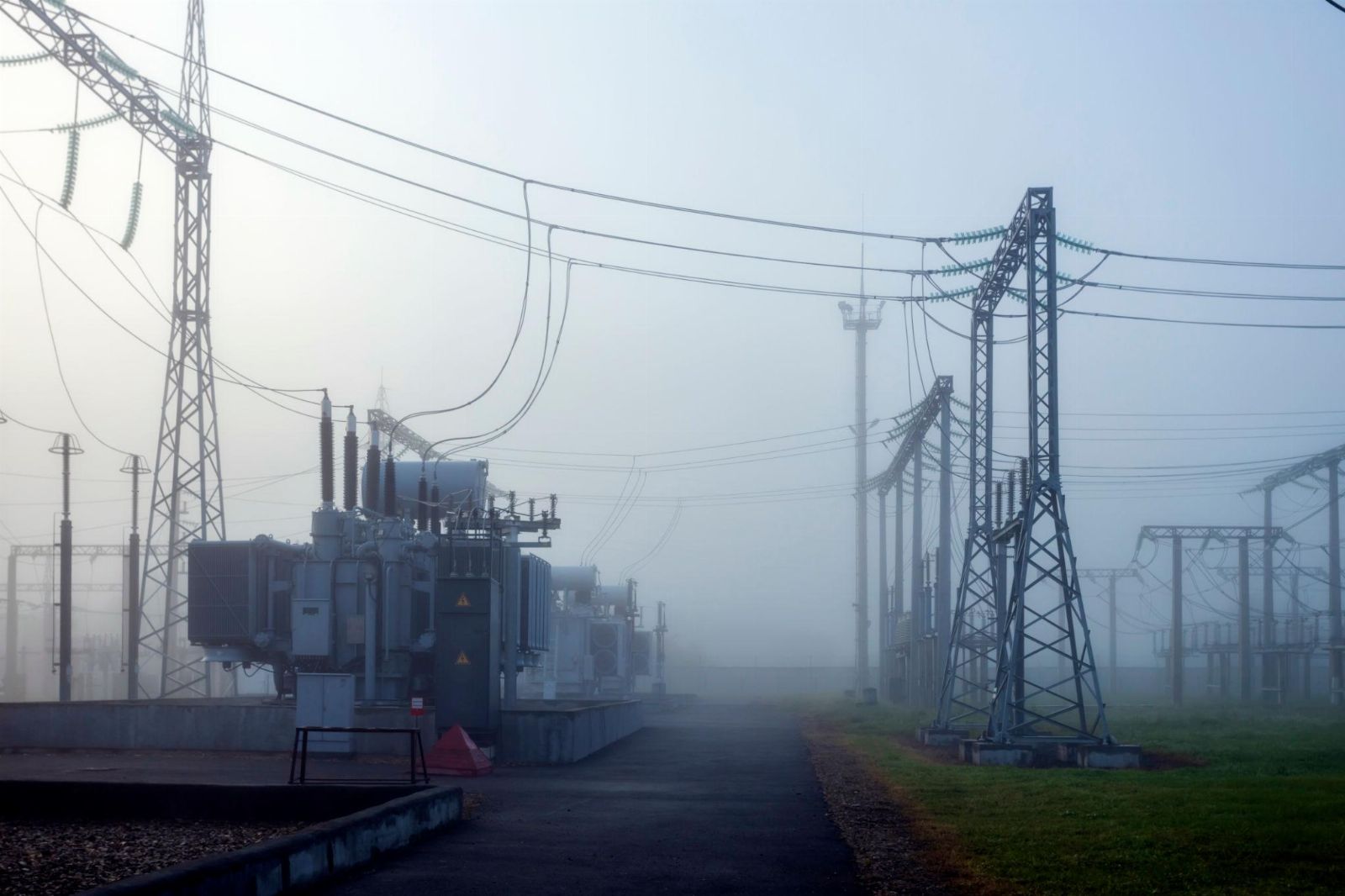
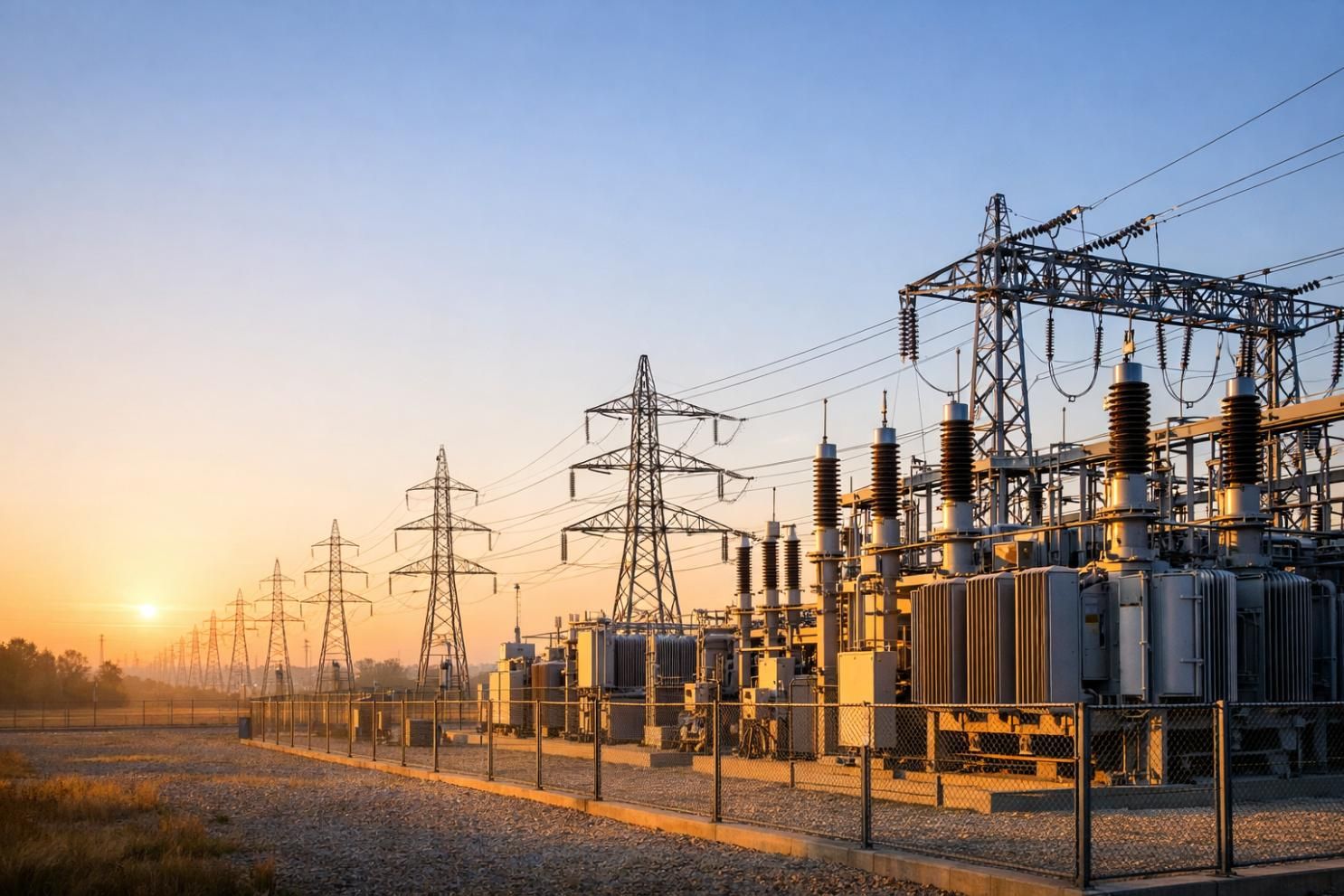
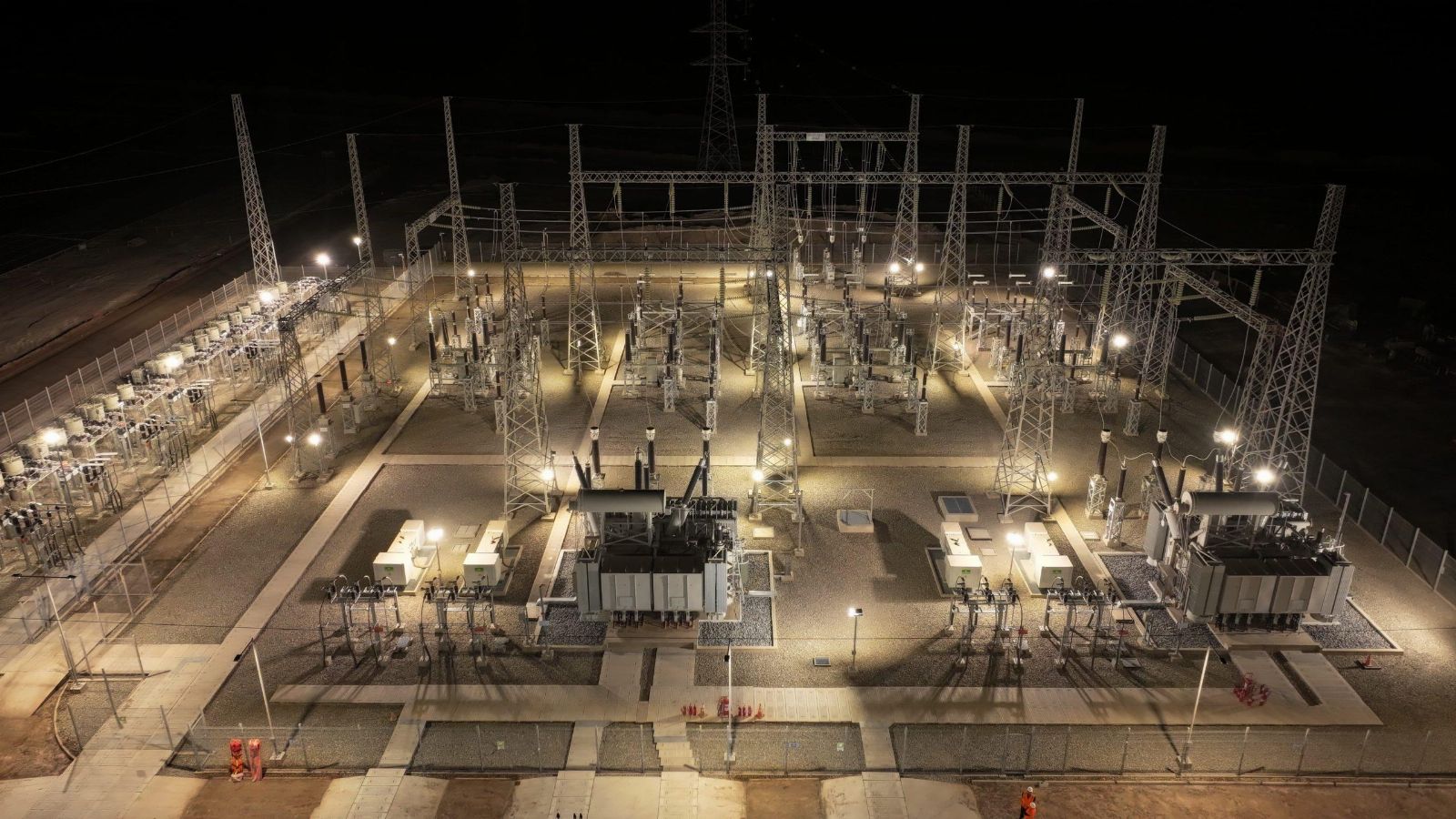
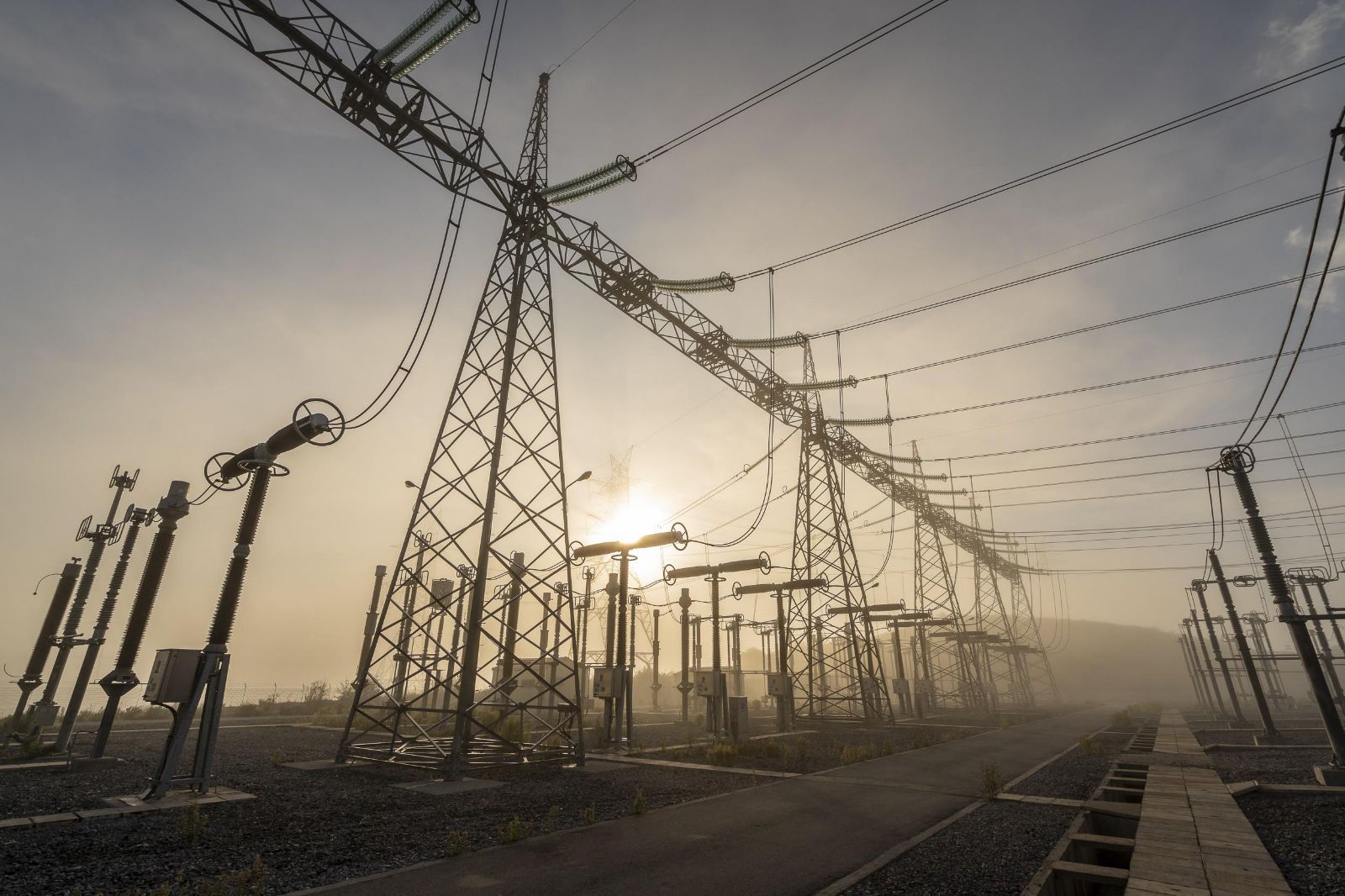
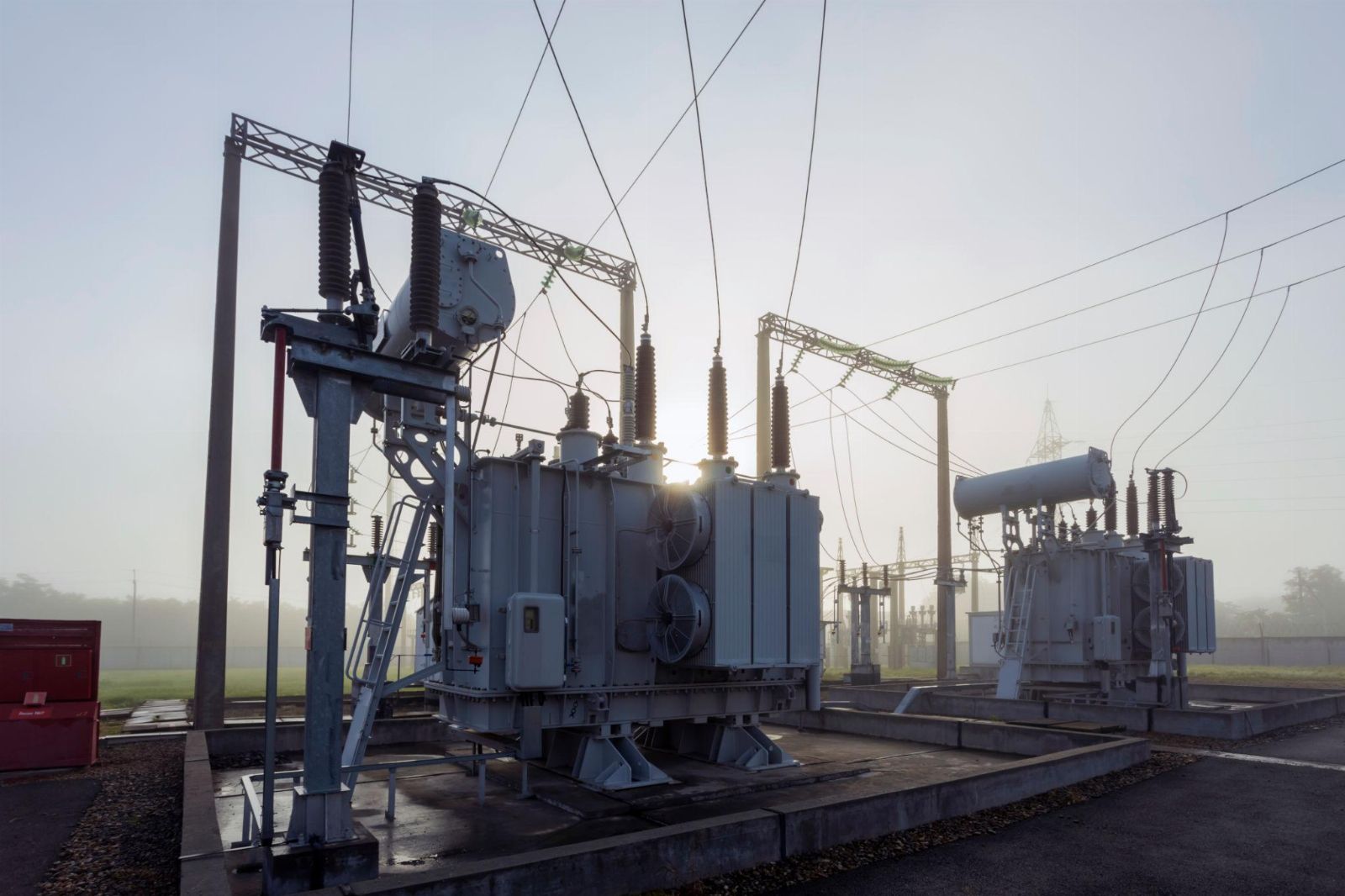
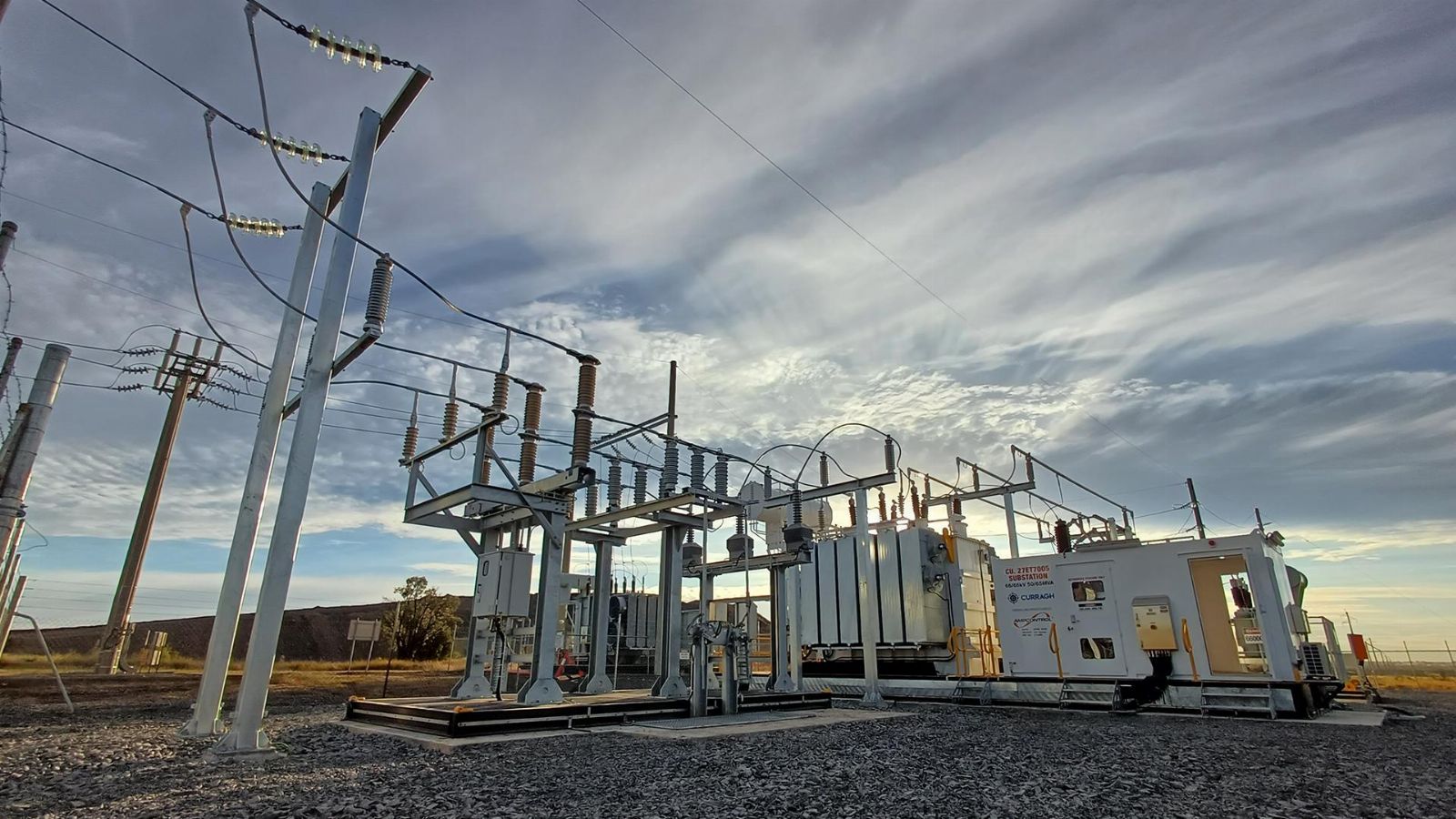
- We offer co-operation on replacement of old installed equipment on equipment at substations with new equipment produced at your factory. We have a large database of documentation for old, end-of-life equipment, and we will adapt your products to replace the old.

- Design of substation equipment in accordance with the technical specifications.

- Design documentation for the manufacture of electrical equipment.

- 3-D models, product drawings, BOM.

- Preparation of technical documentation for participation in tenders.

- Preparation of preliminary standards for material consumption for cost calculation..

- Consulting on projects.

..since August 1998

Proekt-Energo

Area of activity:

- Design of low-voltage, middle-voltage and high-voltage electrical equipment of substations for voltages of 0.4 - 220 kV.
- Development of working documentation in accordance with the technological capabilities of the plant.
- Preparation of preliminary technical documentation for participation in tenders for the supply of equipment.
- Consultations on project approvals.
- Supporting the production of equipment at the plant.

Specialization:

- Switchgear for indoor and outdoor installation for voltages of 6, 10, 20, 35 kV.
- Air-insulated secondary switchgears AIS for voltages 6, 10 kV.
- Complete transformer substations CTS for voltage 10 - 220 kV.
- Disconnectors for voltage 0.4 ... 220 kV.
- Drive to disconnectors.
- Replacement of withdrawable elements and switches in existing switchgear (Retrofit).
- Low-voltage switchgears for voltage 0.4 kV.
- DC 600V switchgears RU-600.

RVR-10/4000; RVRZ-10/4000 Indoor Disconnector

The indoor disconnectors RVR-10/4000 and RVRZ-10/4000 are intended for making and breaking de-energized sections of an electrical circuit that are at voltage, as well as for earthing disconnected sections by means of fixed earthing switches.
Structurally, the disconnectors are of the vertical-break type and are manufactured in single-pole design.
RVR disconnectors are supplied without an earthing switch; RVRZ versions are supplied with an earthing switch either on the separable-contact side or on the non-separable side.
RVR/RVRZ disconnectors consist of a base (frame), support insulators, contact system, tension insulator, and earthing switches. A drive shaft with levers for operating the blades is mounted on the frame. If earthing switches are provided, one or two additional shafts are installed for their operation, as well as a mechanical interlock that prevents closing the earthing switch with the main blades closed and vice versa. The insulation of the disconnector comprises support insulators and a tension insulator. The contact system consists of fixed copper contacts and moving blades. The earthing switches consist of a copper bar fixed to steel posts welded to the earthing-switch shaft. When the earthing switch is closed, the bar engages the finger (lamella) contacts mounted on the lower shelves of the fixed contacts. Contact pressure in the axial and separable contacts of the main blades and in the lamella contacts of the earthing switches is provided by springs.
RVR/RVRZ disconnectors are manufactured for climatic/environmental classification in accordance with EN/IEC 60721-3-3 (weather-protected stationary use), with the following limits:
– altitude not exceeding 1000 m above sea level;
– upper operating ambient temperature +40 °C;
– lower operating ambient temperature -45 °C;
– relative humidity 80% at +20 °C

Technical data

Rated voltage, kV 10
Highest voltage for equipment, kV 12
Rated current, A 4000
Short-time withstand current (3 s), kA 50
Peak (dynamic) withstand current (1 s), kA 125
Mechanical endurance of the main circuit, O–C cycles 2000
Environmental classification EN/IEC 60721-3-3

Purpose and application

RVR-10/4000 and RVRZ-10/4000 are high-reliability medium-voltage AC indoor disconnectors of the 10 kV class, designed for high load currents up to 4000 A. Their primary function is to provide a visible isolation gap for safe maintenance, for rapid sectionalizing of distribution networks and busbars, for creating bypass/reserve sections, for off-load switching operations, and for prompt earthing of disconnected parts (for versions with earthing switches).

Typical applications include KRU and KRUN at 6(10) kV, KSO compartments, all types of package substations (fixed and mobile), main switchboards and incoming-distribution cabinets, transformer/reactor connection bays and capacitor/compensation banks, motor and feeder cells, as well as special process cabinets for energy-intensive industries (mining, petrochemical, metallurgical, etc.).

The disconnectors suit modern distribution switchgear with front or rear access, are compatible with standard manual and motor operators, and provide clear indication of positions “ON”, “OFF” and “EARTHED”. The design focuses on maintainability and quick reconfiguration to match specific secondary schemes and phase spacing.

Service conditions

Operation is permitted indoors under environmental conditions classified by EN/IEC 60721-3-3 for weather-protected stationary use: ambient temperature from -45 °C to +40 °C, relative humidity up to 80% at +20 °C, installation altitude up to 1000 m. Atmosphere: non-hazardous, free of conductive dust and aggressive gases harmful to metals and insulation. Mounting on vibration-free foundations or switchgear steelwork with natural ventilation, with prescribed service clearances and access for maintenance.
Options on request include enhanced corrosion resistance, reinforced supports and/or seismic-resistant versions for areas with specified seismic actions (category per project). Installation locations include indoor substation buildings, plant rooms, distribution points and containerized modules.

Layout and design solutions

RVR/RVRZ are single-pole vertical-break devices installed as three poles on a common welded frame (base). Each pole includes: support insulators (porcelain or polymer as specified), a moving blade, a set of fixed contacts (axial and separable), current-carrying bars and fasteners. Rotation of the operating shaft via links and levers drives the blades, providing a fast, vibration-resistant travel with assured contact force.
Contact surfaces are made of high-conductivity copper with wear-resistant plating (tinned/silvered, as specified). Spring assemblies provide stable contact pressure and compensate thermal deformation. Lamella (finger) contacts of the earthing switch (RVRZ versions) ensure long life under frequent operations and low contact resistance to earth. For easy bus connection, mounting pads and hardware support both flexible and rigid conductors sized for currents up to 4000 A.

Support/operating insulators feature high bending and torsional strength. Adjustable elements are provided for fine alignment of blade travel to minimize wear and heating of contact pairs. The mounting footprint and dimensions allow integration into typical KRU/KSO cells with phase spacings of 210–275 mm (or as specified), as well as into custom cabinets. Cams/flags on the shaft accommodate limit switches and position sensors (dry contacts, inductive sensors, etc.) for easy integration into SCADA/DCS schemes.

Safety and interlocks

Mechanical interlocking is implemented: closing the earthing switch with the main blades closed is excluded, and closing the main blades with the earthing switch closed is excluded. The visible isolation gap ensures safe work conditions. The operating mechanism shaft provides position-locking devices; padlocks and micro-switches on the cell doors (door-mechanism interlock) can be fitted. Manual/motor operators provide clear position indicators. The design follows electrical safety principles, minimizes the risk of inadvertent operations, and allows use of inter-section mechanical key interlocks for distribution-switchgear operating schemes.

Versions and options

By scheme, the following are distinguished: RVR-10/4000 (without earthing switch) and RVRZ-10/4000 (with one or two earthing switches-on the separable- or non-separable-contact side). Options include number of poles (single-pole modules on a common frame), phase spacing, blade orientation (upper/lower contact), insulation type (porcelain/composite), and operator layout. Operators include manual three-position types (PR series) or motor operators with remote control and free-wheel. Additional options: auxiliary contact blocks, position indicators, sensors for SCADA/DCS, screens and barriers, bus adapter kits, enhanced anti-corrosion coating of the frame, and a spare-parts kit.

VersionEarthing switchBlade arrangementOperator typeNote
RVR-10/4000 no upper/lower contact (as specified) manual PR; motor operator optional base version
RVRZ-10/4000 1 pc. on the separable or non-separable contact side manual PR/motor operator lamella earthing-contact system
RVRZ-10/4000 (double) 2 pcs. on both sides manual PR/motor operator extended earthing schemes
RVR(Z)-10/4000 MUZ as specified as specified as specified customized modification to customer requirements

Standards compliance

The disconnectors are engineered in line with current requirements and test methods for medium-voltage switchgear. The design and manufacturing are based on the following standards (latest editions and/or regional adoptions):

  • IEC 62271-102 - “High-voltage switchgear and controlgear - Part 102: Alternating current disconnectors and earthing switches”.
  • IEC 62271-1 - “High-voltage switchgear and controlgear - Part 1: Common specifications for AC switchgear and controlgear”.
  • EN/IEC 60721-3-3 - “Classification of environmental conditions - Part 3-3: Stationary use at weather-protected locations”.
  • IEC 60060-1 - “High-voltage test techniques - Part 1: General definitions and test requirements”.
  • IEC 62271-200 / IEC 62271-201 - additional requirements applicable when integrated into metal-enclosed switchgear assemblies.

Engaging contractors and partners

We welcome cooperation with electrical-equipment manufacturers, engineering and installation companies, and investors interested in localization and series scaling. We provide adapted working documentation and process routes for your equipment, support commissioning, and help to establish supply chains for assemblies and parts. Cooperation options range from manufacturing individual components (frames, contacts, insulators, operators) to complete assembly and testing of substation equipment at the partner’s site.

Documentation offered

To accelerate production launch, we provide a design documentation set: BOMs, assembly drawings and part lists (DWG/DXF), 3D models (STEP/Parasolid), purchase part lists, assembly and inspection instructions, connection schemes and axonometric views, in-process inspection templates, and recommendations for routine tests. Formats: AutoCAD, SolidWorks, Kompas-3D, Parasolid. Documentation can be promptly adjusted to project requirements, local plant standards, and available tooling.

Advantages of working with us:

– No need to maintain a large high-skilled engineering staff - you receive a complete documentation set for the product that can be handled by a mid-level engineer. 
– No need to make pilot prototypes - our experience enables successful start of serial production.
– Using our documentation, your specialists receive consulting on all manufacturing nuances of the RVR-10 disconnectors.

For additional information on RVR-10/4000 and RVRZ-10/4000 disconnectors, please contact: inbox@proekt-energo.com

... and, as is well known, an error made at the design stage turns into tenfold costs in manufacturing and hundredfold in operation...

PDF – Download technical information for RVR-10/4000; RVRZ-10/4000 disconnectors

pdf

RVR-10/2000; RVRZ-10/2000 Indoor Disconnector

The RVR-10/2000 & RVRZ-10/2000 indoor disconnectors are intended to establish a visible isolating gap in medium-voltage circuits and to earth de-energized sections by means of stationary earthing switches (RVRZ versions).
Vertical-break type disconnectors are manufactured in single-pole or three-pole versions. Single-pole units are mounted on a dedicated frame; three-pole units - on a common frame.
RVR versions are supplied without an earthing switch; RVRZ - with an earthing switch on the moving-contact side or on the fixed-contact side.
RVR/RVRZ disconnectors consist of a base (frame), support insulators, contact system, operating (pull-rod) insulator, and earthing switch(es). An operating shaft with levers mounted on the frame actuates the main blades. Where earthing switches are provided, one or two additional shafts with their drives are installed together with a mechanical interlock that prevents closing the earthing switch with the main blades closed, and vice versa. Insulation comprises support insulators and the operating insulator. The contact system includes copper fixed contacts and moving blades. The earthing switch consists of a copper bar fixed to steel posts welded to the earthing-switch shaft. When the earthing switch is closed, the bar engages finger contacts installed on the lower shelves of the fixed contacts. Contact pressure in the axial and separable contacts of the main blades, and in the lamellar contacts of the earthing switch, is provided by springs.
RVR and RVRZ disconnectors are manufactured for the environmental category corresponding to EN/IEC 60721-3-3, with the following service conditions:
- altitude not exceeding 1000 m;
- upper ambient temperature +40 °C;
- lower ambient temperature -45 °C;
- relative humidity up to 80 % at +20 °C.

Technical data

Rated voltage, kV 10
Highest voltage for equipment (Um), kV 12
Rated current, A 2000
Short-time withstand current (3 s), kA r.m.s. 31.5
Peak (dynamic) withstand current (1 s), kA 80
Mechanical endurance (main circuit), O–C operations 2000
Environmental category (replaces GOST 15150 U3) EN/IEC 60721-3-3

Purpose and application

RVR-10/2000 and RVRZ-10/2000 are operational switching devices for indoor medium-voltage systems rated 10 kV (highest voltage for equipment - 12 kV) with a rated current of 2000 A. They are intended for:
- creating a visible isolating gap during maintenance and operational switching;
- providing safe earthing of de-energized sections via stationary earthing switches (RVRZ versions);
- busbar and feeder sectioning in KRU/KRUN cubicles, KSO panels, MV main switchboards (GRShch), package transformer substations (KTP), and test benches;
- providing technological isolation in transformer, reactor, capacitor bank, incoming and outgoing line circuits;
- use in new and modernized air-insulated switchgear (AIS) and modular cabinets.

Disconnectors are not intended to switch load current or short-circuit current. Operation of the main blades is permitted only with zero load current, and the earthing switch may be closed only when the side to be earthed is confirmed de-energized. For load switching, use load-break switches, vacuum circuit breakers, or contact devices of the appropriate class.

Typical applications include: distribution systems of industrial enterprises, transport and municipal power systems; 6–10 kV substations of utilities; power supply centers for telecom and IT infrastructure; sections of synchronous condensers and capacitor banks; training and test facilities. Options with one or two earthing switches allow flexible interlocking schemes and enhance personnel safety.

Service conditions

Designed for operation in heated and unheated indoor industrial areas in accordance with EN/IEC 60721-3-3. Operating temperature range: -45 °C to +40 °C; average daily relative humidity up to 80 % at +20 °C; altitude up to 1000 m. Non-hazardous (non-explosive) atmosphere without aggressive vapors or aerosols that could cause corrosion of current-carrying parts and insulators. Operation in dusty environments is permissible subject to scheduled cleaning of contacts and insulation.

Mechanical resistance meets the general requirements for industrial electrotechnical equipment (per IEC 62271-1 and applicable IEC 60068 tests): transport shock and vibration within normal categories (micro-impacts during operation, handling during installation, transport in standard packaging). Network frequency - 50/60 Hz. Lightning and switching overvoltages must be limited by protection schemes (relays), surge arresters, and proper insulation clearances within the cubicle.

Operating personnel requirements: actuate the main blades only after confirming absence of load current and under work permit/operating instruction; close earthing switches only after verifying absence of voltage and removing portable earthing on adjacent sections. Arc-quenching devices are not required when the disconnector is used correctly, as it is intended for no-load switching.

Design and construction

The baseline layout includes a rigid welded frame, support and operating insulators, the main contact system (fixed contacts and moving blades), an operating shaft with linkages, an over-center blade mechanism, and one or two earthing switches (for RVRZ versions). The vertical-break design provides a fast, stable separation with a clearly visible gap. Fixed contacts are made of electrolytic copper with wear-resistant plating (e.g., silver/nickel); moving blades are made of high-conductivity copper bars. Spring elements provide contact force optimized for minimal transition resistance.

Support insulators are porcelain or polymer (per project), rated for the required electrical strength inside the cubicle. Where needed, bushing-type insulators for rear bus connections can be provided (similar to popular “rear-connected” layouts). The operating (pull-rod) insulator provides electrical isolation of the drive train.

Drives - manual lever or motor-gear drive. The mechanism provides positive position fixing “Open”, “Closed”, and “Earthed” (for RVRZ) with a mechanical endurance of at least 2000 O–C operations for the main circuit. The earthing-switch shaft(s) are mechanically interlocked with the main blade to prevent conflicting operations. Left/right drive arrangement is available, as well as independent drives for the main blade and for the earthing switch to facilitate integration in KRU/KRUN/KSO cubicles.

The design offers convenient access for routine maintenance: checking spring forces, tightening bolted joints, cleaning and inspecting plated surfaces. To reduce electrodynamic forces under short-circuit conditions, reinforced current bars and additional fasteners are used to prevent parasitic blade movement.

Assembly element Description Options
Insulators Support and operating insulators provide mechanical support and electrical strength Porcelain / polymer; bushing-type for rear connection
Contact system Copper finger contacts and vertical-break blade with spring-loaded pressure Silver/nickel plating of contact surfaces
Drive Kinematics with fixed positions and mechanical interlocks Manual / motor drive; left/right
Earthing switch (RVRZ) Earthing bar on a rotary shaft, finger contacts on the lower shelves of fixed contacts One or two; on moving-/fixed-contact side

Safety and interlocks

Personnel safety is ensured by a set of measures: mechanical interlocks prevent closing the earthing switch with the main blades closed and, conversely, closing the main blades with the earthing switch closed; position latching prevents movement due to vibration; provisions are made for padlocks and key interlocks (as part of process interlocking schemes). On request, auxiliary position contacts can be provided for integration into protection and control (SCADA/automation) systems. Clear position indicators improve operational visibility, and the visible isolating gap simplifies work permitting. All operations are performed in accordance with work permits and operating instructions.

Versions and options

  • RVR - without earthing switch; RVRZ - with one or two earthing switches.
  • Single-pole versions (on a dedicated frame) and three-pole (on a common frame).
  • Earthing-switch location: on the moving-contact side or on the fixed-contact side.
  • Insulator type: porcelain, polymer; optional bushing-type for rear connection.
  • Drive type: manual lever; motor-gear with remote control.
  • Drive arrangement: left/right; independent earthing-switch drive.
  • Plating of current-carrying parts: anti-corrosion and wear-resistant (silver/nickel on contact surfaces).
  • Additional items: auxiliary contacts, limit switches, cam block contacts, brackets for position sensors.
Option Purpose Application
Motor drive Remote and automated operation KRU/KRUN with SCADA, bus sectioning
Two earthing switches Flexible earthing of feeder/bus sections Cubicles with two supply directions
Bushing-type insulators Rear connection of buses and cables Compact cabinets, non-standard layouts
Auxiliary contacts Position signalling “Closed/Open/Earthed” Integration into protection & control

Standards and conformity

Design and manufacture take into account international and regional standards applicable to indoor medium-voltage equipment:
- IEC 62271-102 “High-voltage switchgear and controlgear - AC disconnectors and earthing switches” (together with IEC 62271-1 - common requirements);
- IEC 62271-200 “AC metal-enclosed switchgear and controlgear for rated voltages above 1 kV and up to and including 52 kV” (when installed within switchgear assemblies);
- EN/IEC 60721-3-3 (replaces GOST 15150 U3) and, where applicable, EN/IEC 60721-3-4 (replaces GOST 15150 U1) for environmental conditions;
- IEC 60068 series for environmental testing.

Engaging partners and contractors

We invite manufacturers of switchgear, KRU/KSO integrators, design and contracting organizations, as well as investors interested in local assembly/manufacture of RVR disconnectors. We provide process support, adaptation of design documentation to your capabilities, and assistance with machining, electroplating, insulator production, and current-bar fabrication. For serial deliveries we prepare purchase specifications, in-process control cards, and test programs.

Documentation offered for production

The documentation package includes working drawings and part lists, 3D models of units and assemblies (Parasolid, STEP), flat DXF/DWG files for cutting, process sheets, bills of materials, assembly manuals, and operating instructions. On request, models for AutoCAD/SolidWorks are available, as well as data sheets for requirement alignment. Documentation can be promptly tailored to a specific project (cabinet dimensions, center-to-center distances, drive orientation, interface connections, etc.).

Benefits of working with us:

- No need to keep highly qualified design staff - you receive a complete documentation set that can be handled by a mid-level engineer. 
- No need to manufacture prototypes - our experience allows launching serial production successfully.
- Working to our documentation, your specialists will receive consulting on all nuances of manufacturing the RVR-10 disconnectors.

For additional information on RVR-10/2000 and RVRZ-10/2000 disconnectors, please contact: inbox@proekt-energo.com

.PDF - Download technical information for RVR-10/2000; RVRZ-10/2000

pdf

RLK-10 Rocking-Type Line Disconnector

RLK disconnectors for 10 kV are intended for making and breaking de-energized sections of an electrical circuit under voltage, for earthing the disconnected sections by means of earthing switches (when fitted and interlocked as part of the disconnector), as well as for switching transformer magnetizing (no-load) currents and the charging currents of overhead and cable lines. The disconnectors are used in 6–10 kV distribution networks, in outdoor switchgear (AIS) of substations, on OHL approaches to substations and distribution points, at OHL sectioning nodes, on tapping structures and portals. Using RLK provides a clearly visible isolating gap and safe operational separation of network sections for maintenance and operational switching.

Disconnectors are manufactured for outdoor service in installation category 1 with environmental classification aligned to EN/IEC 60721-3-4 (stationary use at non-weather-protected locations). The following service conditions apply:
- altitude above sea level not exceeding 1000 m;
- upper ambient air temperature +40 °C;
- lower ambient air temperature -60 °C;
- wind speed up to 40 m/s without icing and up to 15 m/s with icing up to 20 mm;
The surrounding atmosphere is non-explosive; the content of corrosive agents corresponds to atmosphere category II as per GOST 15150-69. In terms of resistance to mechanical influences the disconnectors comply with mechanical execution group (M13+DT13) according to GOST 17516.1-90.

The RLK disconnector is a three-pole rocking-type apparatus. Each pole has two fixed columns mounted on the frame and one moving column on a pivot bracket; the moving column performs a rocking motion along the longitudinal axis of the disconnector, ensuring reliable make/break of the main circuit and forming a visible isolating gap. The design targets long-term service in severe climates, including wind and icing loads, with minimal maintenance.

Technical data

Номинальное напряжение, кВ 10
Наибольшее рабочее напряжение, кВ 12
Номинальный ток, А 400; 630
Ток термической стойкости при длительности протекания 3 с, кА 10
Ток динамической стойкости при длительности протекания 1 с, кА 25
Механический ресурс главной цепи, циклов ВО 2000
Допустимая механическая нагрузка на выводы с учётом влияния ветра и образования льда, Н, не более 200
Климатическое исполнение и категория размещения по ГОСТ 15150 УХЛ1

Application and use

RLK-10 is used for:

  • operational sectioning of 6–10 kV overhead lines (OHL), creating temporary jumpers and bypasses;
  • isolating network sections from the power source without load current, with a visible isolating gap ensured;
  • earthing disconnected feeders by built-in or add-on earthing switches for safe work procedures;
  • interrupting no-load currents of small/medium-power transformers and charging currents of distribution cable lines and OHL;
  • arranging test and measurement points, including applying test voltage to a locally isolated network section;
  • providing back-up paths and rapid supply transfer for consumers under contingency and post-fault switching in municipal and industrial distribution networks.

Typical installation sites include substation outdoor switchyards (AIS), distribution points (DP), OHL branching nodes, package substations at industrial facilities, open-pit and haul networks, oil & gas and mining & metallurgical sites, as well as rural distribution networks. The RLK design is convenient for mounting on portals, reinforced-concrete or steel poles, in-span or at anchor locations, allowing “line–line”, “line–bus” and “bus–bus” layouts.

Service conditions

Designed for long-term outdoor operation under ambient impacts including temperature swings, wind loads, icing and insulator pollution. Support (or post) insulators are selected by pollution class (typically Class IV for dusty, industrial and coastal areas) to minimize leakage currents and flashover probability. Use of corrosion-resistant materials (galvanized steel, stainless steel for shafts/fasteners, current-carrying parts of electrolytic copper/aluminium with plated or silvered surfaces) ensures atmospheric corrosion resistance and stable contact resistance. Bearing assemblies and supports of moving columns are rated for lifetime operation without relubrication, subject to scheduled seasonal inspections. The kinematics allow operation with snow/frost accretion; in icing beyond the specified thickness, operations are carried out after mechanical cleaning of the contact zone and hangers according to the operating manual.

With respect to vibration and dynamic effects, RLK withstands repeated operations, short gust loads and electrodynamic forces from short-circuit currents in accordance with the nameplate thermal and dynamic withstand values. Permissible installation tolerances for alignment, mounting height and skew are compensated by the design of the hinged joints and adjustable drive links on site.

Layout and design features

Baseline configuration includes:

  • Reinforced frame with anti-corrosion coating, designed for wind, icing and installation/operating loads. The frame allows left/right drive mounting, mirrored link arrangement and rotation of the pole assembly within installation tolerances.
  • Two fixed columns per pole carrying fixed contact beams and terminals for cable/busbar connection. Flat or channel-type pads can be supplied for flexible connectors, lugs and bus links.
  • One rocking (moving) column with a pivot on a support bracket; kinematics ensure pole synchronization via a longitudinal linkage and an equalizing shaft. Bearing friction is reduced by wear-resistant polymer bushings.
  • Multilam (finger) contact system with spring pressure and automatic wear compensation. Silver-plated or tinned contact surfaces lower transition resistance and enhance corrosion resistance. Counter-contact geometry provides “self-drawing” of the blade and a stable closed position.
  • Earthing switches (option), single-ended or double-ended, mechanically and electrically interlocked with the main blade, with independent latching in “ON/OFF”.
  • Operating mechanism - manual three-position (closed/open/earthed) or motorized with remote control, limit switches and SCADA integration (dry contacts for position signalling, reed switches, angle sensors).
  • Insulators porcelain or polymer with silicone sheds, selected by pollution class, withstand level and mechanical strength; polymer insulation offers hydrophobicity and UV resistance.
  • Terminals for aluminium/copper conductors and busbars (bolted clamps, cable lugs, bus joints), with optional flexible links to accommodate thermal expansion and vibration.

Kinematics are optimized: fewer rocking joints and unified links minimize backlash and ensure repeatable contact pressure across all poles. Moving parts are locked for transport. Drip shields and splash guards in the contact zone reduce the effect of precipitation and dust.

Safety and interlocking

  • Mechanical interlocking prevents closing the earthing switch with the main circuit closed and, conversely, closing the main blade with the earthing switch engaged.
  • The operating mechanism includes end-position latches and holes for padlocks/tags to support Lockout/Tagout procedures.
  • Optional limit switches for “CLOSED”, “OPEN”, “EARTHED” positions for dispatching systems and permissive/blocking schemes.
  • The visible isolating gap with open blades provides direct visual confirmation and enhances maintenance safety.
  • Declared thermal/electrodynamic withstand values confirm the ability to endure fault current shocks for the specified time without residual deformation affecting future closing performance.

Configurations and options

The RLK-10 family covers 400 A and 630 A ratings; versions without earthing switch, with single-ended (on fixed or moving side) or double-ended earthing switches; manual or motor drive; porcelain or polymer insulation; mounting and linkage orientation variants. Options include contact plating choices, terminal types, flexible links, shunts and measurement taps. A “winter” package with increased drive torque and anti-adhesive coatings is available.

Typical RLK-10 versions and options
VersionEarthing switchesDriveInsulationTypical installation
RLK-10/400 none/single-ended/double-ended manual, three-position porcelain/polymer (pollution Class IV) AIS 6–10 kV, pole-mounted OHL
RLK-10/630 single-ended/double-ended manual/motor drive, remote control polymer (silicone sheds) OHL sectioning points, substation portals
RLKV-10 (vertical mounting) as per project motor drive with limit switches polymer with enhanced hydrophobicity restricted clearances, AIS retrofit

Standards compliance

RLK-10 disconnectors are designed and manufactured in accordance with applicable norms and rules. Key standards and documents:

  • EN/IEC 62271-102 - High-voltage switchgear and controlgear - Part 102: Alternating-current disconnectors and earthing switches.
  • EN/IEC 62271-1 - High-voltage switchgear and controlgear - Part 1: Common specifications.
  • EN/IEC 60721-3-4 (outdoor, non-weather-protected) and, where applicable, EN/IEC 60721-3-3 (weather-protected) - Classification of environmental conditions.
  • EN 50110-1 - Operation of electrical installations (requirements for safe operation and work).
  • EN/IEC 61936-1 - Power installations exceeding 1 kV AC - Part 1: AC (substation/site design fundamentals).
  • IEEE C37.30.1 - Requirements for AC air switches rated above 1 kV (application reference for disconnect switches, where applicable).
  • GOST 17516.1 - General requirements for resistance to mechanical influences (mechanical group M13+DT13).

Benefits of RLK-10

  • Reliable visible isolating gap and high contact stability under dynamic loads.
  • Simple, rigid mechanics with minimal maintenance; 2000 CO operating cycles.
  • Flexible options for layout, drives, insulation and accessories.
  • Resistance to pollution and weather impacts in the specified outdoor service class.
  • Optional remote control and integration into SCADA/telecontrol systems.

Engagement with contractors, electrical equipment manufacturers and investors

We welcome cooperation with mechanical engineering companies, assembly plants, foundries and machining shops, suppliers of polymer insulation and plating, as well as drive integrators and telecontrol system vendors. We can organize the full cooperation chain: from frame cutting and welding to machining of shafts and links, manufacturing of contacts, assembly, routine testing and serial shipment. For investors, we offer participation in localization of parts and assemblies, including busbar stamping and milling, fabrication of insulating parts, and fastener kits. For electrical OEMs, we will prepare an adaptation package tailored to your manufacturing capabilities, support industrialization and perform quality audits at acceptance stages.

Documentation offered (drawings, 3D models, AutoCAD, SolidWorks, DXF, DWG, Parasolid)

On request we provide a complete set of design and production documentation for serial manufacture of RLK-10 disconnectors at your facility:

  • 3D CAD models of units and assemblies in STEP/Parasolid, solid models in SolidWorks, and visualizations for production planning.
  • Working drawings DWG/DXF (AutoCAD), BOMs, purchased-parts lists, coating/tolerance charts, adjustment parameter lists.
  • Wiring diagrams, kinematic schemes, drive mounting drawings, adjustment charts and jigs for link alignment.
  • Technical specifications, operating manual, test program & procedure, passport/forms, shortage lists.
  • Layout album (portal, pole, restricted spaces), preservation/transport instructions, maintenance recommendations.

All documentation can be aligned with project requirements, regulatory framework and your manufacturing capabilities (equipment range, CNC/welding, fits & tolerances, plating and painting). We provide author supervision during pilot batch manufacture and validation of the assembly process.

We offer documentation for manufacturing RLK disconnectors:

- Preliminary technical documentation for tenders to manufacture RLK disconnectors. We will prepare the information required to assess manufacturability against tender requirements and data sheets.
- Working drawings, 3D models and other documentation for RLK-10 manufacture at your plant. If you do not plan to produce parts in-house, we can place orders at partner facilities; your plant will perform final assembly and installation.
- All documentation can be adjusted to your project requirements and your plant’s process capabilities.
- If equipment from another manufacturer is installed at the substation, we will prepare documentation for compatible equipment to complement the existing installation.

Why work with us

  • No need to maintain a large staff of high-level instrumentation and process engineers: you receive a documentation set that an engineer of average qualification can use under our guidance.
  • Our implemented projects allow serial launch without costly prototypes, cutting time-to-market.
  • We advise on all aspects of RLK-10 assembly, adjustment and testing, and help you build stocks of materials and spares.
  • We flexibly adapt the design for import substitution and local component ranges.

For additional information on RLK disconnectors please contact: inbox@proekt-energo.com

PDF - Download RLK-10 technical information

pdf

RVK-10 Indoor Single-Pole Disconnector

RVK-10 indoor disconnectors are used to isolate and re-connect, without load, individual sections of a 6 or 10 kV electrical network. They are also used in DC distribution switchgear RU-600 and KRU-600.
The disconnector is supplied in a single-pole version without earthing switches.
By design, the RVK disconnector is a knife-type device with a box-section contact system. The RVK comprises a base frame, support insulators and a contact system. A drive shaft with levers is mounted in the base to operate the moving blades. The contact system consists of fixed copper contacts and rotating knife blades. The insulation set includes two support insulators and one pull-rod insulator. Contact pressure in the rotating and separable contacts is adjusted by dedicated springs.
RVK range:
RVK-10/1000 UHL2 – disconnector rated at 1000 A;
RVK-10/2000 UHL2 – disconnector rated at 2000 A;

Technical data

Rated voltage, kV 6; 10
Maximum service voltage, kV 7.2; 12
Rated current, A 1000; 2000
Short-time withstand current (3 s), kA 31.5; 50
Peak (dynamic) withstand current, kA 80; 125
Mechanical endurance of main circuit, O–C cycles 2000
Climatic category / location EN/IEC 60721-3-3, indoor (weather-protected)

Purpose and application

The RVK-10 single-pole disconnector is a medium-voltage 6–10 kV switching device intended for safe local isolation of circuit sections with no load current. Key functions include: providing a visible break for maintenance and commissioning; operational isolation of outgoing feeders, busbars and switchgear sections; process switching of auxiliary systems and station service transformers with no load. These disconnectors are widely used within KRU and KSO switchgear (including KRUN), in medium-voltage main distribution switchboards, in package transformer substations (KTP), in sectionalizing and automatic transfer (ATS) cabinets for medium voltage, and in traction power for urban transit and rail infrastructure (RU-600/KRU-600 DC – as isolating devices).

RVK-10 is the right choice wherever frequent operational isolation is required without load switching: on 6/10 kV incoming cable and overhead lines, on switchgear busbars to selectively withdraw cubicles for maintenance, in voltage-transformer circuits (as per scheme), on capacitor banks (as an isolator with the load disconnected), and at KTP and modular indoor switchgear (ZRU) incomers to improve serviceability. The visible break increases personnel safety and simplifies permitting for work. Thanks to the single-pole design, devices can be installed in groups for any phase arrangement and local constraints, including compact cubicles with complex bus runs.

In projects, RVK-10 often replaces obsolete devices of the same class, reducing contact resistance, cutting I²R losses and maintaining stable contact force. For O&M teams this yields predictable parameters, high repeatability of mechanical cycles and convenient inspection. The disconnector operates reliably in networks for industry, utilities, mining, oil & gas and transport, as well as in data-center and telecom power systems where short maintenance windows and rapid local isolation are critical.

Service conditions

The RVK-10 is intended for indoor switchgear under the following conditions: installation altitude up to 1000 m; operating temperature range -45 °C to +40 °C (indoor, weather-protected locations per EN/IEC 60721-3-3); relative humidity up to 95 % at +25 °C without condensation; non-hazardous area free of conductive dust and aggressive gases/vapors in concentrations that would damage insulation and contacts. Location category: indoor equipment rooms / KRU/KSO cubicles (ZRU). Pollution level: normal for indoor installation; with elevated contamination (dust, oil aerosols), schedule regular cleaning as per maintenance procedures.

The disconnector withstands mechanical effects during normal operations and short-circuit conditions in accordance with the declared thermal and dynamic withstand values. Operation under typical vibration inherent to distribution equipment is permissible provided the frame is mounted to a rigid base/plate as specified. If seismic performance is required, parameters and fixing methods are coordinated at the design stage.

Parameter RVK-10 service conditions Note
Climatic category EN/IEC 60721-3-3, indoor Operation in ZRU/KRU rooms
Operating temperature -45 °C to +40 °C For indoor, weather-protected locations
Installation altitude up to 1000 m Standard service conditions
Environment Non-hazardous, free of aggressive gases No conductive dust

Layout and design features

RVK-10 is a knife-type single-pole device with a box-section contact blade. Current-carrying parts are made of high-conductivity copper with electroplated finish (tin/silver) to reduce contact resistance and improve corrosion resistance. Fixed contacts are mounted on support insulators; the rotating blade is set on a shaft and linked to the operating levers. The box-section blade increases stiffness and resistance to electrodynamic forces under short-circuit, and ensures uniform current distribution across the contact width. Contact force is provided by spring packs; adjustment is via screw assemblies with subsequent locking.

The base (frame) is a welded or cast structure with mounting holes to match standard footprints in KRU/KSO. Support insulators may be porcelain or polymer (per project), with insulation levels adequate for 6/10 kV and for typical indoor overvoltages. The pull-rod insulator couples the drive shaft to the blade, providing electrical strength and mechanical rigidity throughout the travel.

The ON/OFF positions are defined by the operating mechanism and linkage; end positions provide secure latching of the blade. A visible isolating distance is the device’s key feature: in the OFF position personnel can visually confirm the open state of the power path, improving safety during work permits. Wear-resistant contact overlays and springs with stable characteristics are used to maintain contact pressure over the life cycle.

For KRU/KSO cubicle layout, RVK-10 may be installed on a mounting plate or a dedicated frame (modular sled), which simplifies factory/shop assembly: during manufacturing the drive is aligned, full blade travel verified, and contact pressure and parallelism checked. The design supports connection to flat busbars (typical sections) and to cable terminations via transition pads (option).

Safety and interlocking. The design focuses on safe operation. The visible break in the OFF position excludes inadvertent energization of the work zone. A mechanical position lock can be provided to prevent unintended switching, and a padlock (lockout/tagout) can be applied in OFF for permitted work. The mechanism can be interlocked mechanically/electrically with the KRU/KSO cubicle door so access to live parts is only possible with the device open. End-position indicators and signage are recommended for unambiguous status indication.

Important: RVK-10 is not intended to switch load current or interrupt short-circuit current. Operations are permitted only with no load; switching must follow the operating manual and the specific switchgear interlocking scheme. If remote operation is required (for process isolation), the drive is engineered with interlocks (between doors and devices) that prevent incorrect operation.

Versions and options

Base versions – RVK-10/1000 and RVK-10/2000 (indoor, EN/IEC 60721-3-3). On request: enhanced silver plating of live parts, polymer insulators for improved pollution performance, high-endurance contact overlays, transition busbars/pads to match existing buswork, preparation for remote drive installation, mounting kits (brackets, retainers) tailored to a specific KRU/KSO type, and adaptation of connection dimensions to existing footprints.

For application in DC switchgear (RU-600/KRU-600) the disconnector is equipped with appropriate clearances and design elements as per project. At the survey stage, on-site measurements can be taken and adapter kits prepared to enable a “drop-in” replacement of legacy devices with modern RVK-10 units without major cabinet or busbar rework.

Standards compliance

Design and manufacture of RVK-10 disconnectors follow applicable requirements for medium-voltage switchgear and controlgear. When installed within KRU/KSO cubicles, clearances, partial discharge levels, dielectric strength and mechanical withstand under short-circuit stress comply with the relevant rules. Principal standards applicable to indoor disconnectors and their integration:

  • IEC 62271-102 – Alternating-current disconnectors and earthing switches (device-level requirements).
  • IEC 62271-1 – General requirements for switchgear and controlgear.
  • IEC 62271-200 – Metal-enclosed MV switchgear and controlgear assemblies up to and including 52 kV (for installation in KRU/KSO).
  • EN/IEC 60721-3-3 – Environmental conditions classification for stationary use at weather-protected locations (indoor).
  • Project-specific operation/maintenance rules for 6–10 kV switchgear (as per client requirements).

Partnering and cooperation

We welcome cooperation with contractors, electrical equipment manufacturers, KRU/KSO integrators, and investors interested in localizing production of single-pole 6–10 kV disconnectors. We are open to collaboration at the pre-design survey, engineering, manufacturability, and prototype testing stages. We provide a complete design package for contract manufacturing (including material specifications, recommendations for process steps and inspections, and technical specifications), support commissioning of serial production at the partner’s site, and accompany ramp-up of supplies for KRU/KSO and ZRU within EPC projects and distribution network modernization programs.

Documentation and support

For full-cycle manufacture and integration of RVK-10 we provide an engineering package: detail and assembly drawings (DWG/DXF), BOM, 3D CAD/PLM models (STEP/Parasolid, SolidWorks), ready-to-install drive and linkage units, KRU/KSO cubicle installation schemes, lubrication maps and contact-pressure adjustment procedures, installation and operating manuals, and test programs and procedures (type/routine) for electrical and mechanical parameters. On request, we adapt documentation to project requirements, site standards and the partner’s manufacturing capabilities. We also prepare tender materials (data sheets, loss calculations, layout schemes) and replacement packages for substituting previously installed devices from other manufacturers.

Why work with us

- No need to maintain a large in-house engineering staff – you receive a complete documentation set for the product that can be handled by a mid-level engineer. 
- No need to build pilot batches – our experience allows successful launch of serial production directly.
- Working to our documentation, your team will receive guidance on all nuances of RVK-10 manufacturing.

For additional information on RVK disconnectors, please contact: inbox@proekt-energo.com

PDF – Download technical information for RVK-10 disconnectors

pdf

RVO-10 Single-Pole Indoor Disconnector

Application and Scope

The single-pole indoor disconnector RVO-10 is intended to provide a visible break and safe reconfiguration of busbar and feeder sections in 6–10 kV switchgear with no load current present. RVO series devices perform operational isolation, scheme changeover, equipment outage for maintenance, and fault localization while ensuring a clearly visible isolation gap. Thanks to its compact single-pole design, the RVO is convenient for use in KSO single-side-access cubicles, KRU/KRUN metal-enclosed switchgear, medium-voltage main switchboards, incoming and tie cubicles, transformer/reactor connection cubicles, busbars, and bypass links.

Beyond classic switchgear, the RVO disconnector is widely used for switching coupling capacitors of SMP/SMPV types (power-line carrier channels for telecontrol and protection) to connect high-frequency paths to 6–10 kV primary circuits and to interface with communications equipment at 110 kV substations. Dedicated versions are optimized for in-line installation within capacitor banks, static VAR compensator circuits, as well as in measuring circuits (e.g., at voltage-transformer portals).

Within a switchgear lineup the RVO provides: 1) safe isolation of the section under maintenance; 2) the possibility for personnel to apply portable earthing devices after de-energizing; 3) convenient inspection of current-carrying parts thanks to an open, visible isolation gap. Depending on the installation location, RVO disconnectors are mounted on frames, panels, or inside cubicles via the base (pedestal) and allow longitudinal or transverse orientation relative to the busbars.

Технические данные

Номинальное напряжение, кВ 6; 10
Наибольшее рабочее напряжение, кВ 7,2; 12
Номинальный ток, А 400; 630; 1000
Ток термической стойкости при длительности протекания 3 с, кА 16; 20; 31,5
Ток динамической стойкости при длительности протекания 1 с, кА 51
Механический ресурс главной цепи, циклов ВО 2000
Климатическое исполнение и категория размещения по ГОСТ 15150 УХЛ2

Operating Conditions

Baseline environmental category: EN/IEC 60721-3-3 (indoor, weather-protected; comparable to GOST 15150 UHL2). Operation is intended in enclosed rooms with natural ventilation and without special HVAC control. Temperature range and humidity requirements correspond to indoor weather-protected environments per EN/IEC 60721-3-3. Operation is permitted up to 1000 m above sea level without derating of insulation levels, provided there is no conductive dust and no corrosive vapors in concentrations that would attack current-carrying parts.

The disconnectors are designed for 50 Hz networks and 6 or 10 kV (maximum operating voltage 7.2/12 kV). With respect to environmental effects, short-term vibrations typical for switchgear equipment (e.g., during adjacent operations) and transport loads are acceptable when packaging and storage rules are observed. For areas with elevated dust, condensation, or extended maintenance intervals, special insulators, increased creepage distances, and protective coatings for current-carrying parts can be applied on a project basis.

Layout and Design Features

The RVO disconnector comprises a base (frame), support insulators, and a contact system. The base serves as the foundation for the insulators and for fastening the device inside a cubicle or on a panel; both bolted and welded attachment to the cabinet’s structural members are possible. Support insulators are selected by voltage class and mechanical/electrical strength; porcelain or composite versions with enhanced pollution performance can be supplied on request.

The contact system is of the knife type and consists of two fixed box contacts and a rotating contact blade. The blade is linked to an operating shaft rotated by an insulating rod or an integrated lever mechanism. The geometry of contact surfaces and the contact pressure ensure low transfer resistance, minimal wear, and stability against electrodynamic forces during short-circuit currents. Corrosion-resistant plating is applied; silver-tipped contact surfaces are available on request for improved durability.

In the closed position the blade is latched by a special magnetic latch or mechanical pawl. The latch prevents inadvertent opening due to blade weight, shocks/vibration, or electrodynamic forces under short-circuit conditions. The latch features an eye for engaging the tip of an insulating operating rod, providing controlled opening/closing and secure fixation. The opening angle is limited by a stop on the axial-contact bracket; when the angle exceeds 75°, a clear visible isolation gap is formed.

Terminal assemblies accept copper or aluminum busbars, flexible connectors, and cable lugs. Options include in-line or angled take-offs, transition plates, and on-site match-drilling to align with standard busbar elevations in KSO/KRU lineups. A mechanical position indicator can be fitted; provision for a position microswitch to signal into SCADA/DCS is available on request.

Safety and Interlocking

The design incorporates occupational-safety requirements and typical interlocks used in medium-voltage switchgear. The standard configuration provides: 1) a visible break in the open position; 2) end-stops preventing incomplete opening/closing; 3) holes for padlocking in the “Closed”/“Open” positions (depending on version); 4) the ability to prevent access via mechanical linkage to the cubicle doors; 5) compatibility with typical interlocks on load-break switch and contactor mechanisms (as defined by the cabinet design). When working de-energized, portable earthing devices may be applied on the nearest busbars per local safety rules and work instructions.

Element / FunctionRole in the Safety ConceptApplication Notes
Magnetic latch / mechanical pawl Locks the blade in the closed position; prevents unintended movement Operated by insulating rod; force and travel per instructions
Opening-angle stops Ensures visible isolation angle >75° Verify at commissioning and during maintenance
Padlock holes Prevents operator error Option; implemented per project specification
Position indicator / microswitch State indication; signaling to SCADA/DCS Optional integration with cabinet interlocks

Versions and Options

The RVO family covers rated currents of 400, 630, and 1000 A for 6 and 10 kV classes. Baseline environmental category - EN/IEC 60721-3-3 (indoor, weather-protected). On request:

  • Contact system variants: copper contacts with corrosion-resistant plating; on request - silver-tipped contact areas;
  • Selection of support insulators for pollution conditions: porcelain ИО-10-3,75 У3 / ИОР-10-3,75 УХЛ2, and for increased reliability - outdoor-duty insulators (e.g., ИОС-10/500 УХЛ1) to special order;
  • Connection variants: flat/angled, with transition bus plates, for M12–M16 bolting;
  • Prepared mounting points for position sensors and interlocks with adjacent devices;
  • Base/frame finish matched to cabinet color scheme; marking, labels, nameplates in Russian/English.
DesignationVersion DescriptionKey Features
RVO-10/400 Single-pole, 10 kV, 400 A Base current; compact for KSO
RVO-10/630 Single-pole, 10 kV, 630 A Higher current; optimal for main busbars
RVO-10/1000 Single-pole, 10 kV, 1000 A Maximum current; for ties and sections
Option “Silver” Ag-tipped contact surfaces Enhanced wear and heating resistance
Option “Outdoor Insulators” Outdoor-duty insulators Increased creepage distance for harsh environments

Comparable Solutions and Use Cases

Alongside single-pole RVO-type disconnectors, modern KSO/KRU lineups also employ three-pole vertical-break and rotary devices (for example, the GN38/GNF38 series for 12 kV with a three-position mechanism “On–Off–Earthing”). Three-pole solutions are convenient when all phases must be operated simultaneously and a fixed earthing switch is required. The single-pole RVO excels where modularity, flexible layout, individual phase reconfiguration, and integration into specialized cubicles are critical (HF coupling-capacitor circuits, power-flow re-routing on ties, bypass schemes).

The RVO indoor disconnector is intended for switching energized circuit sections in the absence of load current, for changing connection schemes, and for safe work on de-energized sections. RVO disconnectors are also used to switch coupling capacitors of SMP/SMPV type for a rated voltage of 110 kV.

The single-pole RVO disconnector consists of a base, support insulators, and current path. The base serves to mount the insulators and to fasten the device. The current path comprises two fixed contacts and a movable knife contact connecting them.

In the closed position, the knife is held by a special magnetic latch or pawl, so inadvertent opening due to electrodynamic forces, the blade’s own weight, or vibration is excluded. The magnetic latch or pawl has an eye to engage the tip of a manual insulating rod during opening and closing. Opening beyond 75° is limited by a stop on the axial-contact bracket.

Standards Compliance

In design and manufacture of the RVO series, the following norms and terminology are considered (for use within MV switchgear and for the disconnector function):

  • IEC 62271-102 - AC disconnectors and earthing switches (requirements for disconnectors);
  • IEC 62271-1 - Switchgear and controlgear - Part 1: Common specifications (general requirements for equipment above 1 kV);
  • IEC 62271-200 - AC metal-enclosed switchgear and controlgear for 1–52 kV (for KSO/KRU/KRUN assemblies in which the RVO operates);
  • EN/IEC 60721-3-3 - Environmental conditions - Classification for stationary use at weather-protected locations (applied for indoor environmental category comparable to GOST 15150 UHL2);
  • Customer/Project-specific requirements (to be fixed in the product specifications/manual for the particular item).

Cooperation with Contractors, Manufacturers, and Investors

We welcome cooperation with manufacturers, integrators of 6–10 kV switchgear, metalwork, and insulator suppliers. A phased rollout is offered: audit of your plant capabilities, adaptation of design documentation to your equipment, supplier chain selection (insulators, contact materials, hardware), organization of assembly and testing, personnel training, and site supervision on initial projects. For investors - typical financial models for launching a product line, including batch cost, break-even point, and ramp-up schedule.

We offer documentation for manufacturing RVO disconnectors:

- Preliminary technical documentation for tender participation to manufacture RVO disconnectors. We will prepare the information you need to assess manufacturability against tender requirements and datasheets.
- Working drawings, 3-D models, and other documentation required to manufacture RVO disconnectors at your facility. If you do not plan to produce parts in-house, we will help place orders at partner shops. Final assembly and installation will be carried out at your site.
- All documentation can be adjusted to project requirements and to your plant’s process capabilities, if needed.
- If a substation already uses another manufacturer’s equipment, we can prepare documentation to produce compatible equipment to complement the installed base.

Benefits of working with us:

- No need to maintain a large team of highly qualified engineers - you receive a complete documentation set that can be used by a mid-level engineer. 
- No need to build prototypes - our experience allows successful launch of serial production batches.
- Working to our documentation, your staff will receive guidance on all nuances of manufacturing RVO-10 disconnectors.

For additional information on RVO disconnectors, please contact: inbox@proekt-energo.com

PDF - Download technical information for RVO-10 disconnectors

pdf

  • Technical specifications

    Technical specifications

  • Equipment drawings

    Equipment drawings

  • Equipment drawings

    Equipment drawings

  • Equipment drawings

    Equipment drawings

  • Technical specifications

    Technical specifications

  • Operating manual for equipment

    Operating manual for equipment

  • Regulatory and technical documentation

    Regulatory and technical documentation

  • Regulatory and technical documentation

    Regulatory and technical documentation

  • Regulatory and technical documentation

    Regulatory and technical documentation

  • 3-D models

    3-D models

  • Technical specifications

    Technical specifications

  • Operating manual for equipment

    Operating manual for equipment

  • Operating manual for equipment

    Operating manual for equipment

  • 3-D models

    3-D models

  • 3-D models

    3-D models

Demo

FEEDBACK FORM